Best Tennis Racket for Seniors 2026: Comfortable Picks
The best tennis racket for seniors is light, easy to swing, and gentle on the arm. Our top picks for older and senior beginner players, with honest tradeoffs.
Published
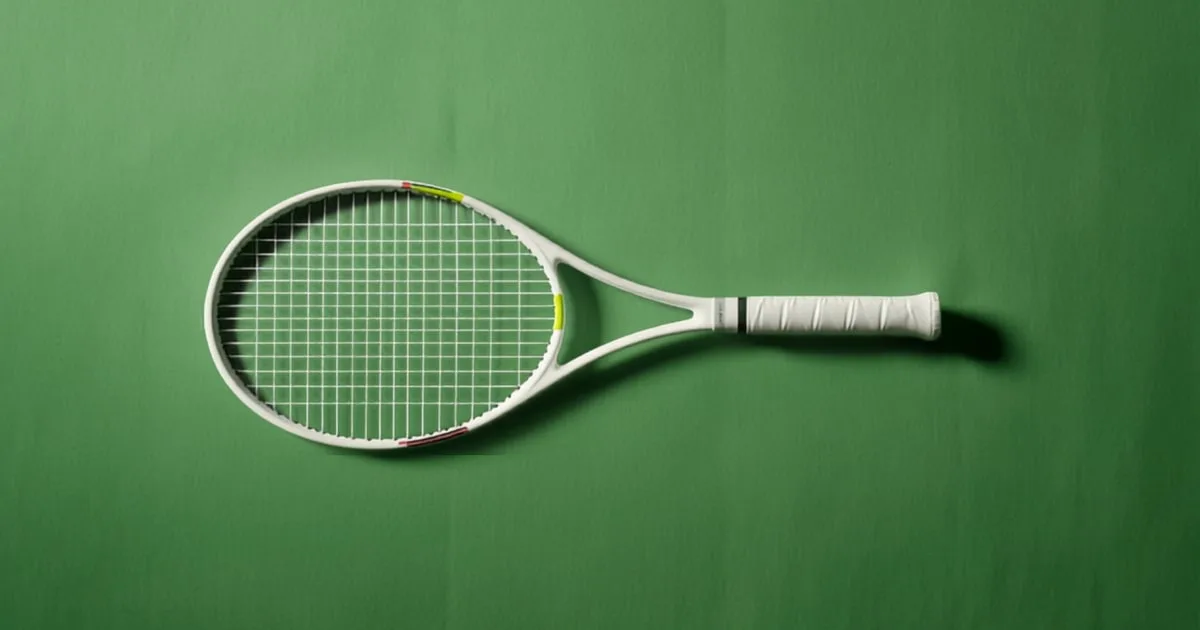
Babolat Pure Drive Lite
- Best for
- Senior beginners who want easy power
- Price
- around $180–220
Wilson Clash 100L v2
- Best for
- Players prioritizing arm comfort
- Price
- around $200–240
Yonex EZONE 100L
- Best for
- All-court players who want a bit more stability
- Price
- around $190–230
Prince Twistpower X100
- Best for
- Comfort seekers who still want stability
- Price
- around $210–250
Head Boom Team
- Best for
- Improvers wanting a light, spin-friendly frame
- Price
- around $150–200
The best tennis racket for seniors is light enough to swing all match, has a big forgiving head, and doesn't beat up your arm. If you want one easy answer, the Babolat Pure Drive Lite is it — 270 g unstrung, a 100 in² sweet spot, and a stiff frame that hands you power without a long backswing. If arm comfort is your real concern, the Wilson Clash 100L v2 flexes more and treats the elbow gently. This guide is for older players and senior beginners who want a comfortable, maneuverable frame — not a heavy pro stick.
How we picked
We don't run a lab. These picks come from published manufacturer specs, long-standing reviews from shops like Tennis Warehouse, and the consensus you hear from players in this bracket — read together, not swung by us, exactly as our how we research page describes. For a senior-friendly racket we weighted three things: light weight (so it stays easy to swing into the third set), a large head (100 in² or bigger for a bigger margin on mishits), and comfort — either a flexible frame or a reputation for being kind to the arm.
A note on that last point: we're talking frame comfort, not medical advice. A softer racket dampens shock, but if you've got real arm pain, that's a conversation for a coach and a doctor, not a spec sheet.
You'll find the same logic in our guides to the best tennis racket for women and, if you play a classic one-hander, the best tennis racket for one-handed backhand — a lot of the fit criteria overlap.
What to look for in a senior tennis racket
Weight — the big one
Weight is where senior rackets earn their keep. Most of the frames here sit in the 270–300 g range (unstrung or strung, so check which number you're reading — they matter a lot). Lighter means less strain on the shoulder and wrist and quicker hands at net. The tradeoff is real, though, and worth naming: a light racket is less stable against pace. When a fast ball hits an ultralight frame off-center, the head twists more, and you feel it. That's the quiet catch nobody mentions — going too light can actually feel worse against big hitters than a slightly heavier, more planted frame.
So the sweet spot for many seniors isn't the lightest racket on the shelf. It's the lightest one you can still control comfortably. A 300 g frame that plows through the ball can be less tiring over a match than a 260 g whip you're constantly fighting to steady.
Head size and the sweet spot
Think of the sweet spot like the middle of a trampoline. Hit there and the ball springs off; hit the edge and it dies. A bigger head (100 in² and up) makes that trampoline wider, so your mishits still land. Every racket here is 100 in² or larger — that's non-negotiable for forgiveness. The Head Boom Team's 102 in² head nudges it a touch more generous.
Comfort and stiffness
Stiffness is the counterintuitive one. A stiffer frame gives you free power — but it also passes more vibration into your arm. A flexible frame (the Wilson Clash 100L v2 is the poster child) soaks up shock and feels plush, at the cost of some of that free pop. If your arm is happy, the stiff-and-powerful Pure Drive Lite is a joy. If your elbow talks back, lean flexible.
Our top picks explained
Babolat Pure Drive Lite — easiest power
At 270 g unstrung with a 100 in² head, this is the point-and-shoot choice. The stiff frame does a lot of the work, so you don't need a long swing to get depth — great for players who've shortened their motion over the years. The catch is that same stiffness: it's not the gentlest frame on the arm, so if comfort is your first priority, look one entry down.
Check price· around $180–220 (opens in new tab)Wilson Clash 100L v2 — most comfortable
The Clash line built its whole reputation on flex. This lighter "L" version keeps the low-stiffness, arm-friendly feel with a head-light balance that's quick at net. It's the pick if you want the plushest hit here. Just know the flex means you supply more of your own power — it rewards a swing, it doesn't hand you free pace.
Check price· around $200–240 (opens in new tab)Yonex EZONE 100L — the balanced middle
At 301 g strung with a 310 swingweight and 3-points head-light balance, this one sits between featherweight and full-weight. You get more plow-through and stability than the sub-280 g frames while keeping things maneuverable. The tradeoff is obvious in the number: it's heavier than the lightest options, so if your goal is the least possible weight in hand, this isn't it. For a player who found ultralight frames too flimsy, though, it's a smart step up.
Check price· around $190–230 (opens in new tab)Prince Twistpower X100 — soft and stable
Reviewers consistently peg the Twistpower X100 as one of the softer, more comfortable frames in its weight class, with better stability than you'd expect for that plush feel. The open 16x18 pattern helps you bite the ball for spin. But at 318 g strung and a 324 swingweight, it's the heaviest racket here — this is for a stronger senior who wants comfort without going flyweight, not for someone hunting the lightest possible stick.
Check price· around $210–250 (opens in new tab)Head Boom Team — light and spin-friendly
The Boom Team's 275 g unstrung frame and 102 in² head make it easy to swing and extra forgiving on off-center hits, with a 16x19 pattern that's happy to spin. It's a good improver's frame for a lighter player. The flip side of that light build is stability — heavy hitters will push it around, so it's better suited to controlled, cooperative doubles than a first-strike singles war.
Check price· around $150–200 (opens in new tab)Quick comparison
Babolat Pure Drive Lite
- Weight
- 270 g unstrung
- Head
- 100 in²
- Best for
- Easy power
Wilson Clash 100L v2
- Weight
- check the listing
- Head
- 100 in²
- Best for
- Arm comfort
Yonex EZONE 100L
- Weight
- 301 g strung
- Head
- 100 in²
- Best for
- Balanced stability
Prince Twistpower X100
- Weight
- 318 g strung
- Head
- 100 in²
- Best for
- Soft + stable
Head Boom Team
- Weight
- 275 g unstrung
- Head
- 102 in²
- Best for
- Light + spin
Bottom line
Start with your priority. If you want the easiest access to power in a light frame, the Babolat Pure Drive Lite is the default. If your arm needs a break, the Wilson Clash 100L v2's flex is worth the small power tradeoff. And if you tried ultralight rackets and found them wobbly, the Yonex EZONE 100L or Prince Twistpower X100 give you the stability that actually makes a heavier racket less tiring over a full match — the counterintuitive move that surprises a lot of players.
The picks
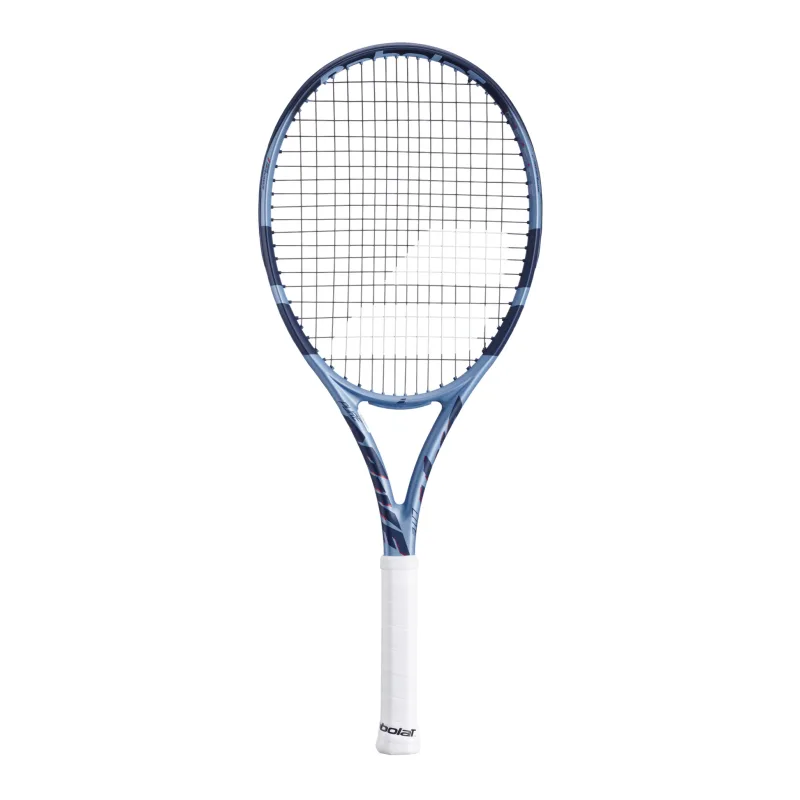
Babolat Pure Drive Lite
Best for: Senior beginners who want easy power
- Weight: 270 g unstrung
- Head Size: 100 in²
- String Pattern: 16x19
- Balance: 330 mm unstrung
- Stiffness: check the listing
Pros
- Very light at 270 g unstrung — easy to keep swinging late in a match
- 100 in² head gives a big, forgiving sweet spot
- Stiff, poppy frame means power without a long swing
Cons
- That same stiffness transmits more shock to the arm — not the friendliest frame if you've got elbow trouble
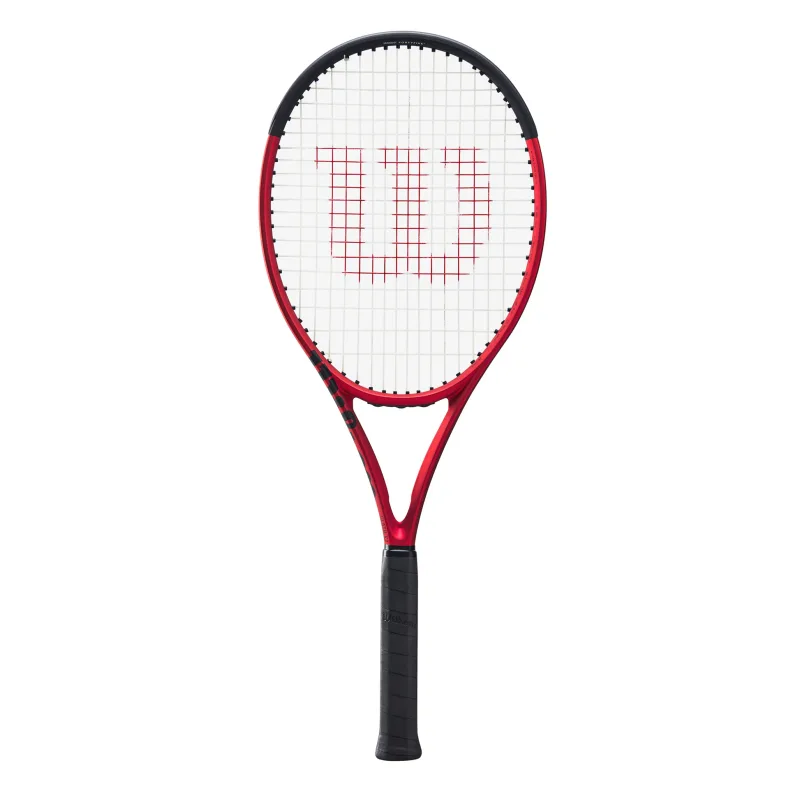
Wilson Clash 100L v2
Best for: Players prioritizing arm comfort
- Weight: spec varies — check the listing
- Head Size: 100 in²
- String Pattern: 16x19
- Balance: head-light
- Stiffness: low (flexible)
Pros
- Famously flexible frame — one of the softer, more comfortable feels out there
- 100 in² head and 16x19 pattern give a lively, easy hitting zone
- Head-light balance keeps it maneuverable at net
Cons
- The flex costs you some free power — you have to supply more of your own swing
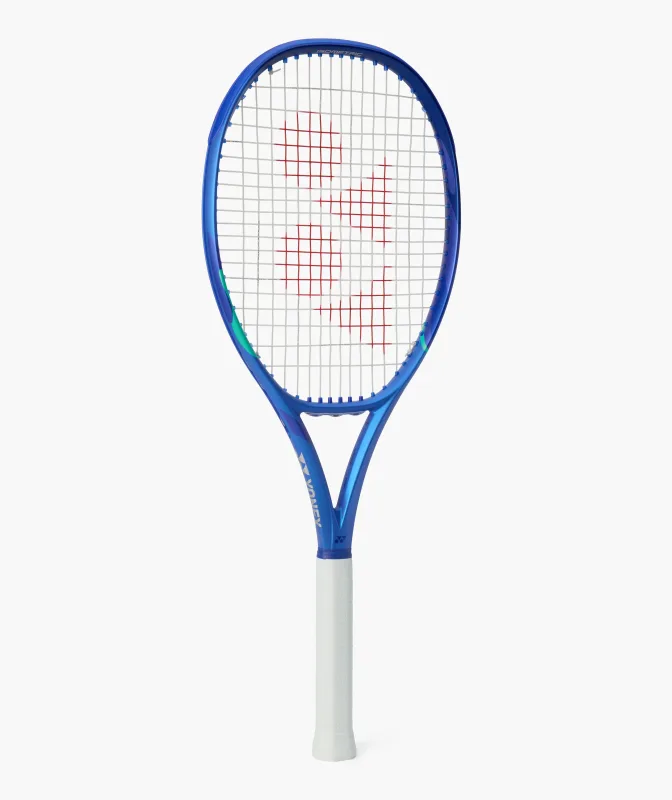
Yonex EZONE 100L
Best for: All-court players who want a bit more stability
- Weight: 301 g strung
- Head Size: 100 in²
- String Pattern: 16x19
- Balance: 3 pts head-light
- Swingweight: 310
Pros
- Comfortable feel with a slightly heftier plow-through than the featherweights
- 100 in² head keeps it forgiving on mishits
- Head-light balance and moderate swingweight strike a nice maneuverable-but-stable middle
Cons
- At 301 g strung it's noticeably heavier than the sub-280 g options — may tire out players who want the lightest possible frame
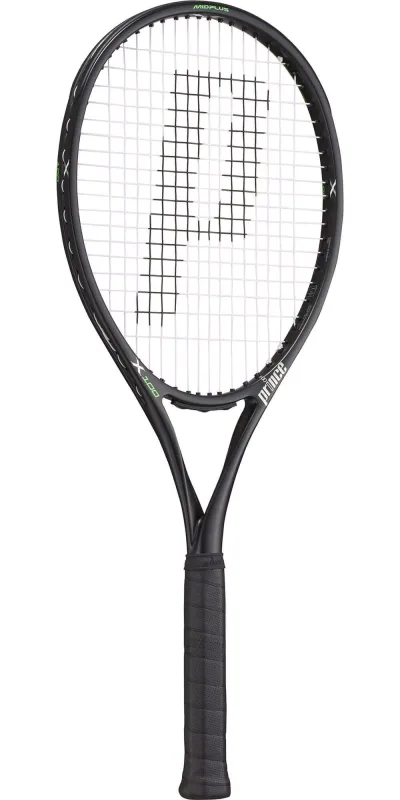
Prince Twistpower X100
Best for: Comfort seekers who still want stability
- Weight: 318 g strung
- Head Size: 100 in²
- String Pattern: 16x18
- Balance: 4 pts head-light
- Swingweight: 324
Pros
- One of the softer, most comfortable frames in its weight range per reviewers
- Above-average stability for how forgiving it feels
- Open 16x18 pattern helps with spin and access to the ball
Cons
- At 318 g strung and swingweight 324, it's the heaviest here — better for stronger seniors than true lightweight seekers
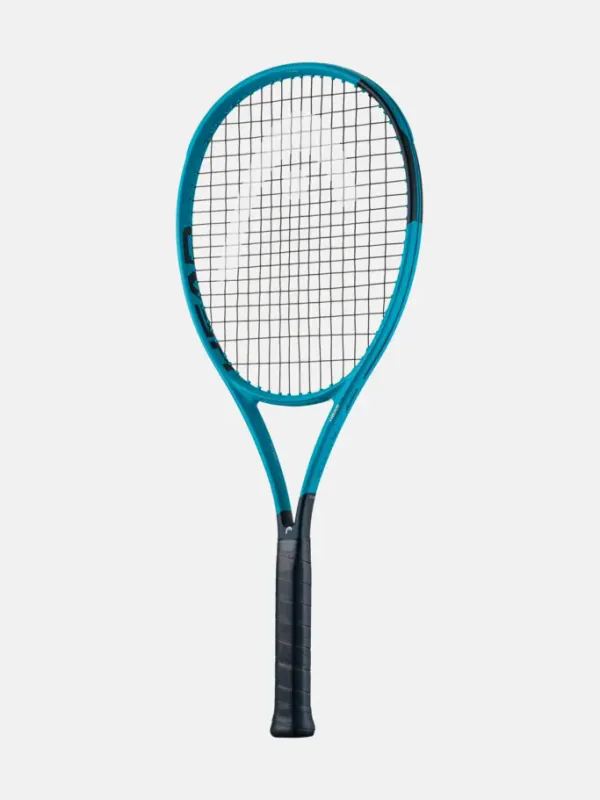
Head Boom Team
Best for: Improvers wanting a light, spin-friendly frame
- Weight: 275 g unstrung
- Head Size: 102 in²
- String Pattern: 16x19
- Balance: check the listing
- Stiffness: check the listing
Pros
- Light 275 g unstrung frame that's easy to whip through the swing
- Slightly oversized 102 in² head is extra forgiving on off-center hits
- 16x19 spin-friendly pattern for players who like to brush up on the ball
Cons
- The lightweight build gives up stability against pace — heavy hitters will push it around
Frequently asked questions
What weight tennis racket is best for seniors?
Most seniors do well in the 270–300 g range. Lighter is easier on the shoulder and quicker to swing, but going too light hurts stability against pace. Aim for the lightest racket you can still control comfortably rather than the absolute lightest on the shelf.
Is a bigger head size better for older players?
Yes, generally. A 100 in² or larger head widens the sweet spot, so off-center hits still land with decent depth. Every racket in this guide is 100 in² or bigger for that reason — the Head Boom Team's 102 in² head is a touch more forgiving still.
Which tennis racket is easiest on the arm?
A flexible, low-stiffness frame is easiest on the arm because it absorbs more shock. The Wilson Clash 100L v2 is the standout here for that plush, arm-friendly feel, and the Prince Twistpower X100 is also known for being unusually comfortable in its weight class.
Should a senior beginner buy a light or heavy racket?
Light — a senior beginner should start with a light, large-head frame like the Babolat Pure Drive Lite or Head Boom Team. It's easier to swing, more forgiving on mishits, and builds confidence before you worry about the stability that a heavier racket offers.
Does a lightweight racket give less power?
Not necessarily. Power comes from a mix of weight, stiffness, and swing speed. A light but stiff frame like the Pure Drive Lite gives you plenty of pop without a heavy swing. A light, flexible frame gives you less free power, so you supply more of your own.