Tennis
The evergreen foundation of racquet sports. Rackets, strings, tension and grip sizes — buying advice that doesn't assume you're on tour.
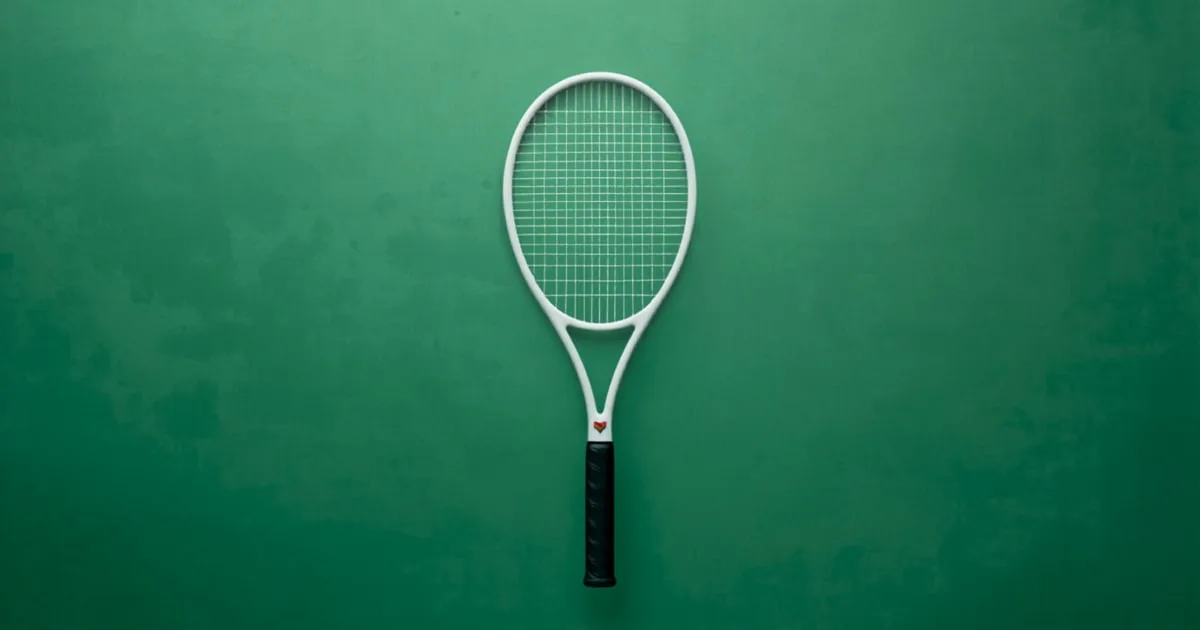
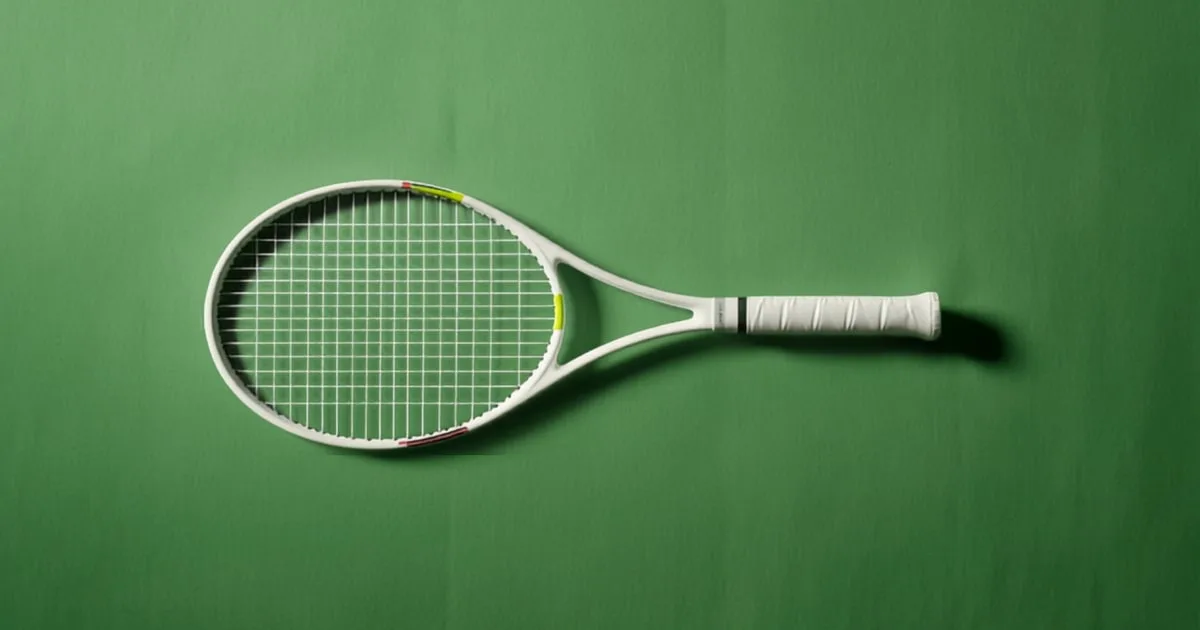
Weight and balance decide how a racket feels more than any marketing spec. Lighter frames (around 270–300g) are easier to swing and forgiving on the arm, which suits beginners and returning players; heavier, head-light frames give control and stability but ask more of your technique. If you are unsure, start lighter — you can always add lead tape later, but you cannot make a heavy racket light.
The string bed does the actual work of gripping and launching the ball, so it changes feel as much as the frame. Softer strings and lower tension add comfort and power and are kinder to the elbow; stiffer polyester strings at higher tension give control and spin but transmit more shock. If your arm flares up, look at the strings before you blame the racket.
A grip that is too small makes you squeeze harder and invites elbow pain; too large and you lose feel. Most recreational players land on 4 1/4–4 3/8 (grip 2–3). For shoes, prioritise lateral support and a durable outsole for hard courts — running shoes do not brace side-to-side movement and wear through fast.