Tennis Player Switching to Padel Gear: What Carries Over
Tennis player switching to padel? Your footwork and apparel carry over; the racket, shoes, and balls don't. Here's the starter kit that makes the switch easy.
Published
Head Speed Padel
- Best for
- Tennis players who want control and a forgiving swing
- Price
- around $120–170
Babolat Jet Premura 2
- Best for
- Any tennis player who wants proper padel footing from day one
- Price
- around $110–150
Bullpadel Hack 04
- Best for
- Advanced tennis players chasing power once technique clicks
- Price
- around $200–280
Head Padel Pro S+
- Best for
- Stocking your bag with proper padel balls
- Price
- typically $6–10 per can of 3
Coming from tennis, here's the short version: your footwork, fitness, and most of your apparel come with you for free, but your racket, shoes, and balls all get replaced. Buy shoes first, because a padel-specific sole like the Babolat Jet Premura 2 matters more than the racket at the start. Then grab a forgiving teardrop like the Head Speed Padel, and a tube of Head Padel Pro S+ balls so you're not borrowing off strangers. That's the whole starter kit. Everything below is the map of why.
If you want the deeper why behind the sport itself, we cover it in padel vs tennis differences; this guide is purely about the gear.
How we picked
No lab here — this is research synthesis. We pulled specs from current retailer listings and cross-checked them against what padel players consistently report about how these rackets, shoes, and balls actually play. The how we research page explains the method. Where a spec couldn't be verified, we say so rather than guess, because a fabricated weight helps nobody.
The lens for this guide is specific: what a tennis player already owns, what transfers, and what genuinely needs buying. That crossover angle is the whole point.
What carries over from tennis (keep your money in your pocket)
Good news first: plenty of your tennis life comes along.
Footwork and fitness. The split-step, the lateral shuffle, the ability to actually last three sets. All of it transfers. Padel points are shorter and more reactive, but your base movement is a head start beginners without a racquet background don't have.
Apparel. Your tennis shirts, shorts, skirts, hats, and wristbands are fine. Padel doesn't have a special dress code, and there's no meaningful performance difference between a tennis polo and a padel one. Material, fit, moisture-wicking: same requirements. Don't rebuy this.
Grip habits and overgrips. Standard tennis overgrips work on padel handles. If you already have a box, use them.
Your competitive brain. Court positioning, reading your opponent, shot selection: the framework transfers even though the shots change. That's an underrated advantage.
What's completely different (this is where you spend)
Three things do NOT transfer, and pretending they do is how tennis players end up frustrated in their first month.
The racket is solid and stringless
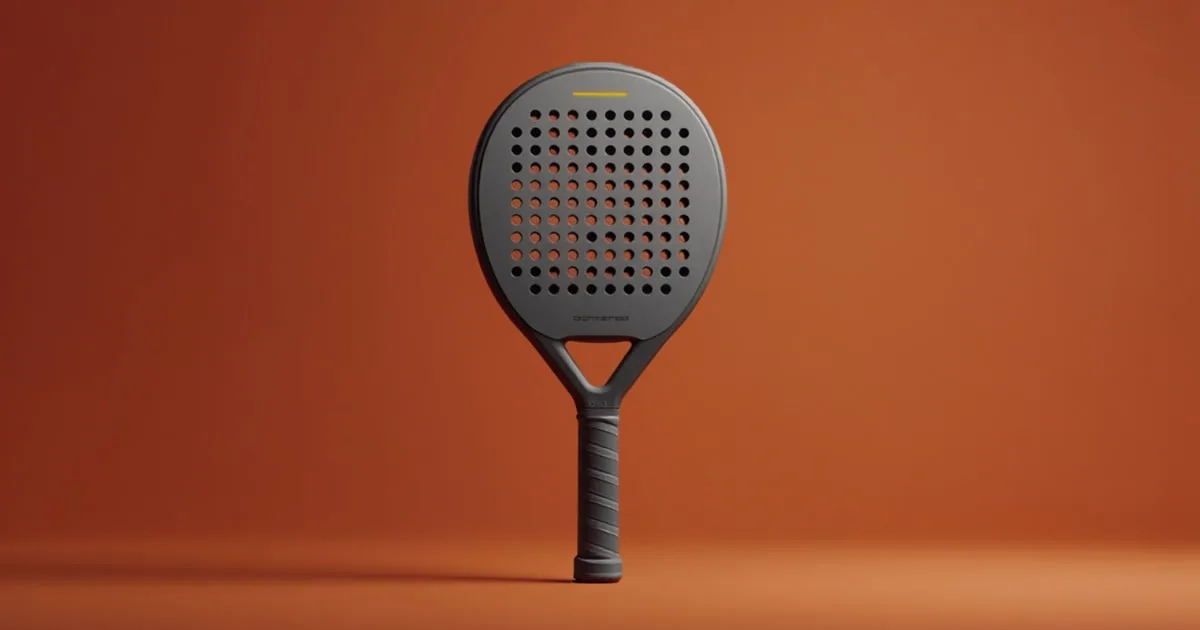
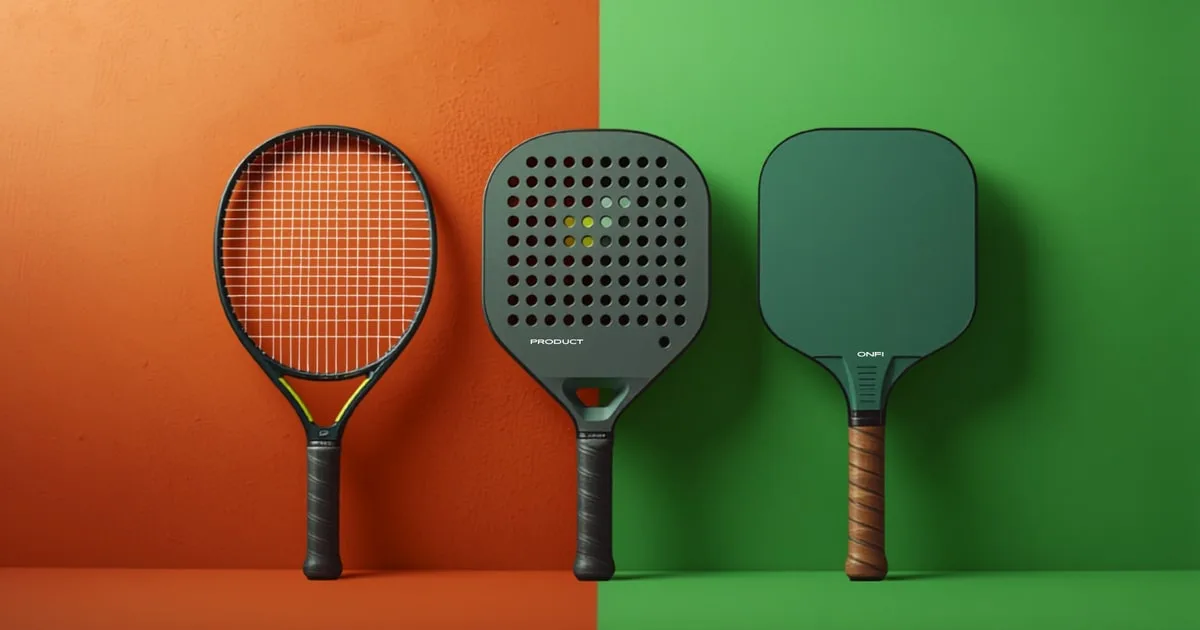
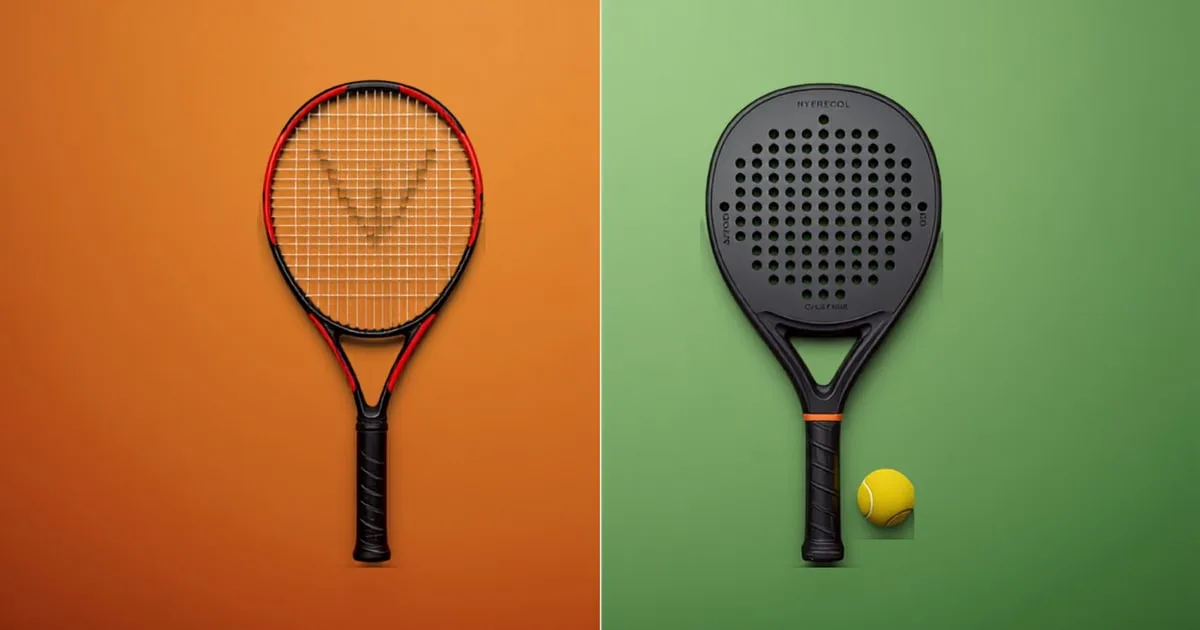
A padel racket is a solid bat: foam core, composite face, holes drilled through it, no strings and no throat. There's no string tension to obsess over, no head size in square inches. Weight (roughly 345–375 g) and shape (round, teardrop, or diamond) do the job that head size and string pattern do in tennis. If you're evaluating specific frames, our dedicated best padel racket for tennis players guide goes deeper than we can here.
The non-obvious trap: tennis players instinctively reach for a powerful, aggressive racket because that's what "good" felt like on a tennis court. In padel that backfires. A diamond-shaped power racket has a tiny, high sweet spot, and your tennis timing won't find it consistently for weeks. Start forgiving. Get punchy later.
The shoes have a different sole
Padel is played on artificial turf dusted with sand, over a hard base. The sole needs to grip when you plant and let you slide a controlled inch when you don't. Tennis outsoles (whether hard-court herringbone or clay full-herringbone) either grab and jolt your ankle or skid unpredictably. This is a real injury point, not a preference. Our best padel shoes for beginners roundup covers the range if the pick below isn't your fit.
The balls are lower pressure
Padel balls look like tennis balls but are slightly smaller and less pressurized, giving a lower, deader bounce that suits the enclosed, wall-heavy court. Tennis balls bounce too high and fast. It's a cheap fix, but it's a real one.
Our top picks explained
Head Speed Padel: the forgiving starter racket
Start here. The Speed line runs even-balanced with a soft foam core and a fiberglass face, and the Evo Speed comes in around 352 g in a teardrop oversize shape. Translation: a bigger, more forgiving sweet spot and a lighter swing while your tennis timing recalibrates. Mishits don't punish you the way they do on a stiff power racket.
What you give up is raw punch: the fiberglass face has less of it than full carbon, so once your technique settles you may itch for more pop. And the Speed name spans several models (One, Evo, Pro, Motion) at different weights, so confirm the exact spec on the listing before you buy.
Check price· around $120–170 (opens in new tab)Babolat Jet Premura 2: buy the shoes first
If you spend on one thing before your first session, make it these. The Jet Premura 2 uses a Michelin sole developed specifically for padel's sand-over-turf surface, so you get grip on the plant and controlled give on the slide. It's light for a court shoe (players consistently praise the comfort and flexibility), and the low-profile fit feels stable through padel's short, sharp movements.
Weight runs roughly 320–350 g depending on size and version. Watch the arch, though: it's a low-arch shoe, so if you need structured support, try before you commit. And that soft, grippy sole wears faster on abrasive outdoor courts.
Check price· around $110–150 (opens in new tab)Bullpadel Hack 04: the power racket for later
This is the one to grow into, not start with. The Hack 04 is a diamond-shaped, high-balance (~26 cm) carbon racket at 360–375 g with a 38 mm profile, built for smash power. If you loved your tennis overheads, this rewards them at the net, and it's a proper joy to swing once you can find the sweet spot.
But be honest with yourself: diamond shape plus high balance plus a small, high sweet spot is unforgiving. It's the wrong pick for a padel beginner even if you're a fit, strong tennis player. The diamond shape and high balance can also be tough on the arm. Bookmark it; don't lead with it.
Check price· around $200–280 (opens in new tab)Head Padel Pro S+: just get the right balls
Don't overthink this one. The Pro S+ is a pressurized ball with a durable core and felt and a faster, high-rebound feel, so it lasts a bit longer than budget tubes before the pressure fades. That matters because padel balls are a running cost: every ball dies eventually, no matter the brand.
The livelier bounce can feel slightly quick while you're learning to control rallies, but for the money it's an easy pick to keep a couple tubes in the bag.
Check price· typically $6–10 per can of 3 (opens in new tab)Quick starter-kit map
Footwork & fitness
- Carries over?
- Yes
- Padel move
- Keep it (real head start)
Shirts, shorts, hats
- Carries over?
- Yes
- Padel move
- Reuse as-is
Overgrips
- Carries over?
- Yes
- Padel move
- Same tape works
Racket
- Carries over?
- No
- Padel move
- Solid, stringless; buy a teardrop (Head Speed Padel)
Shoes
- Carries over?
- No
- Padel move
- Padel sole required (Babolat Jet Premura 2)
Balls
- Carries over?
- No
- Padel move
- Lower pressure; grab Head Padel Pro S+
Bottom line
The switch is cheaper and simpler than it looks because your body already knows how to move. The gear delta is three items: a forgiving racket, proper shoes, and the right balls. Spend on shoes and a teardrop racket, keep the diamond power stick on your wishlist for month three, and don't let anyone talk you into rebuying apparel you already own.
The picks
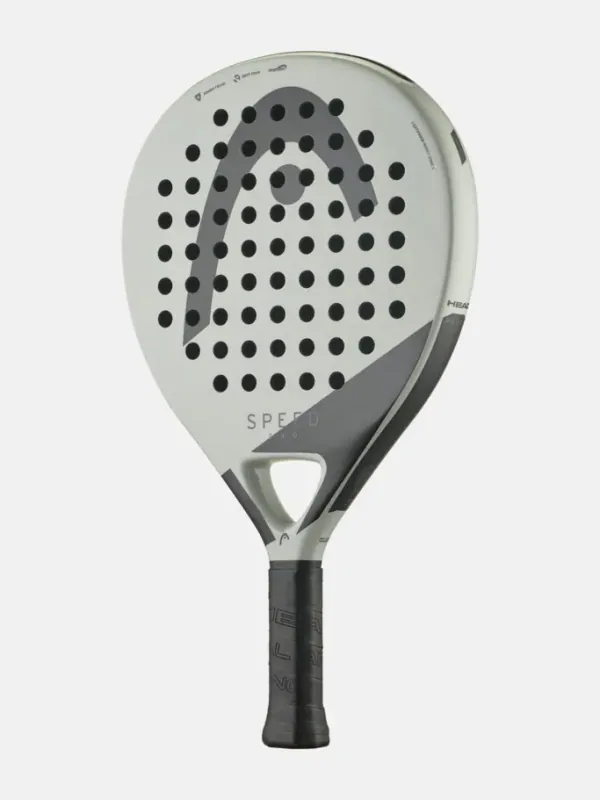
Head Speed Padel
Best for: Tennis players who want control and a forgiving swing
- Weight: 352 g (Evo Speed)
- Shape: teardrop oversize
- Core: soft foam
- Balance: even
- Face: fiberglass
Pros
- Even balance and soft foam core make mishits far more forgiving — a big deal when your tennis timing doesn't transfer
- Teardrop shape gives a balanced sweet spot without punishing you for being off-center
- Lighter weight (around 345–352 g) reduces arm fatigue while you rebuild your muscle memory
Cons
- Fiberglass face gives less raw punch than a full carbon paddle — you'll want more pop once your technique settles
- Line spans several models (One, Evo, Pro, Motion) with different weights — check the exact spec before you buy
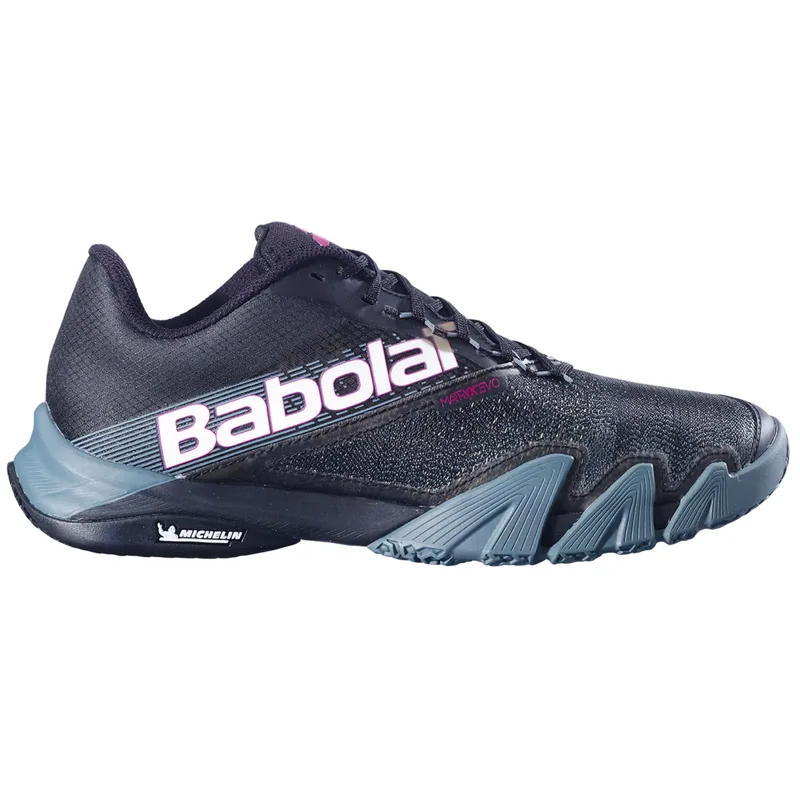
Babolat Jet Premura 2
Best for: Any tennis player who wants proper padel footing from day one
- Weight: ~320–350 g (size-dependent)
- Sole: Michelin, padel-specific
- Fit: true to size, medium width
- Cushioning: spec varies — check the listing
Pros
- Michelin sole is built for the sand-over-glass surface, so you get grip when you plant and controlled slide when you don't
- Light for a court shoe — comfort and flexibility players consistently praise
- Low-profile fit that feels stable in the quick, short movements padel demands
Cons
- Low arch support won't suit everyone — if you need a structured arch, try before you commit
- That grippy sole wears faster if you drag it on abrasive outdoor courts
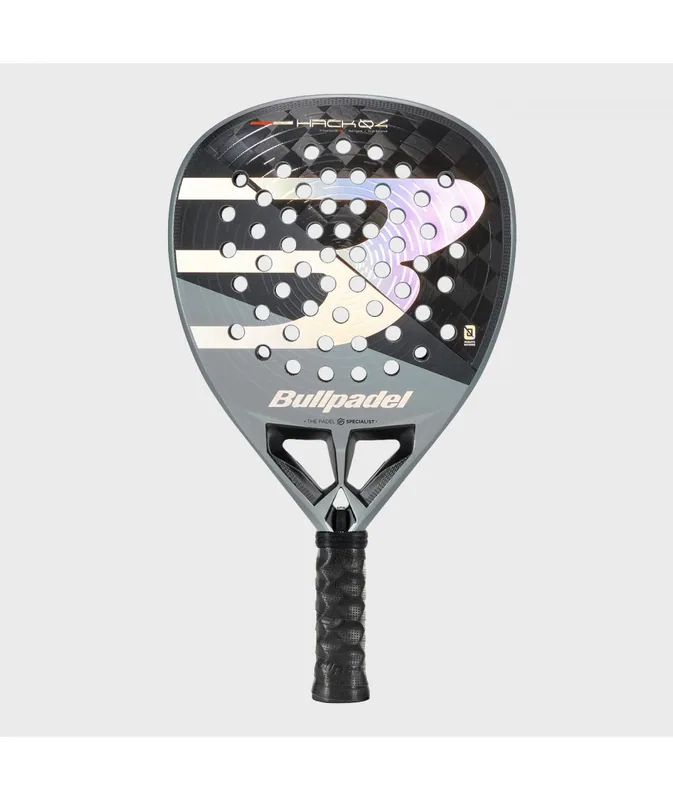
Bullpadel Hack 04
Best for: Advanced tennis players chasing power once technique clicks
- Weight: 360–375 g
- Shape: diamond
- Core: spec varies — check the listing
- Balance: ~26 cm (high)
- Face: carbon (TriCarbon 18K)
- Thickness: 38 mm
Pros
- Diamond shape and high balance deliver serious smash power — familiar territory if you loved your tennis overheads
- Carbon face gives the crisp, punchy feel that heavier hitters want
- Genuinely a joy to swing at the net once you can find the sweet spot consistently
Cons
- High balance plus a small, high sweet spot is unforgiving — wrong pick for a padel beginner, even a fit one
- Sits near the top of the price range, and the diamond shape can be tough on the arm
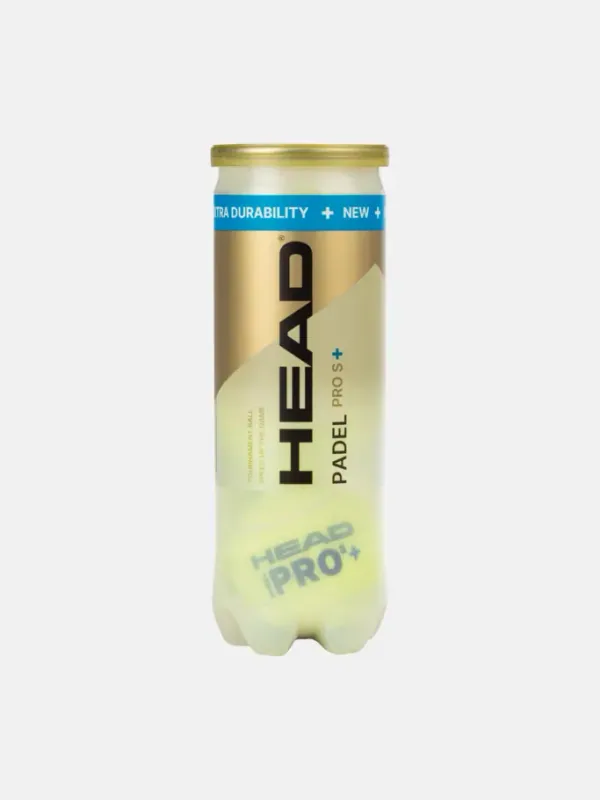
Head Padel Pro S+
Best for: Stocking your bag with proper padel balls
- Type: pressurized padel ball
- Function: fast rebound, durable felt
- Pressure: advanced retention system
Pros
- Durable core and felt hold up better than cheaper tubes, so you replace them less often
- Faster, high-rebound feel suits players who like quicker exchanges
- Recycled-PET can if that matters to you
Cons
- Padel balls die once the pressure goes — no ball lasts forever, so budget for tubes as a running cost
- The livelier bounce can feel a touch quick while you're still learning to control rallies
Frequently asked questions
What padel gear do I need as a tennis player?
At minimum: a padel racket, padel-specific court shoes, and pressurized padel balls. Your tennis racket, tennis shoes, and racquet strings don't transfer at all — padel rackets are solid, strung-string-free, and use a completely different sole. Most of your apparel and your wrist strap habit do carry over.
Can I use my tennis shoes for padel?
Not really. Padel courts are glass walls over a sand-dusted artificial turf, and tennis shoes are built for hard court or clay grip patterns. A padel sole like the Babolat Jet Premura 2 gives you the plant-and-slide control the surface needs — tennis outsoles skid or grab unpredictably.
Is a padel racket the same as a tennis racket?
No. A padel racket is a solid, stringless bat made of foam core and a composite face, usually 345–375 g with no handle throat. There's nothing to string and no head-size tension to fuss over. The whole feel is closer to a heavy table-tennis bat than a tennis frame.
What's the best padel racket shape for a former tennis player?
Round or teardrop, not diamond. A teardrop like the Head Speed Padel gives a balanced, forgiving sweet spot while your tennis timing recalibrates. Diamond rackets like the Bullpadel Hack 04 are all power and a tiny sweet spot — save those for after your technique settles.
Do I need new padel balls or can I use tennis balls?
You need padel balls. They look similar but are slightly smaller and lower-pressure than tennis balls, which changes the bounce completely. A tube like the Head Padel Pro S+ is cheap and worth having so you're not fighting the wrong bounce.