Best Padel Racket for Tennis Elbow 2026: Arm-Friendly Picks
The best padel racket for tennis elbow is soft, round, and low-balanced. Our vibration-focused guide covers Nox, Babolat, Head, plus grips that ease elbow pain.
Published
Nox AT10 Pro Cup Soft
- Best for
- Players who want a soft core in a proper all-round racket
- Price
- around $170–210
Nox Equation Soft Advanced
- Best for
- Control players worried about arm injuries
- Price
- around $120–160
Babolat Contact
- Best for
- Beginners and tennis crossovers wanting a light, controlled feel
- Price
- typically $90–130
Head One Ultralight 300g
- Best for
- Players who need the lightest possible racket for elbow relief
- Price
- around $110–150
Hesacore Grip
- Best for
- Anyone whose elbow reacts to handle vibration
- Price
- around $20–30
Nox Custom Grip
- Best for
- Players who want to tune weight and balance themselves
- Price
- spec varies — check the listing
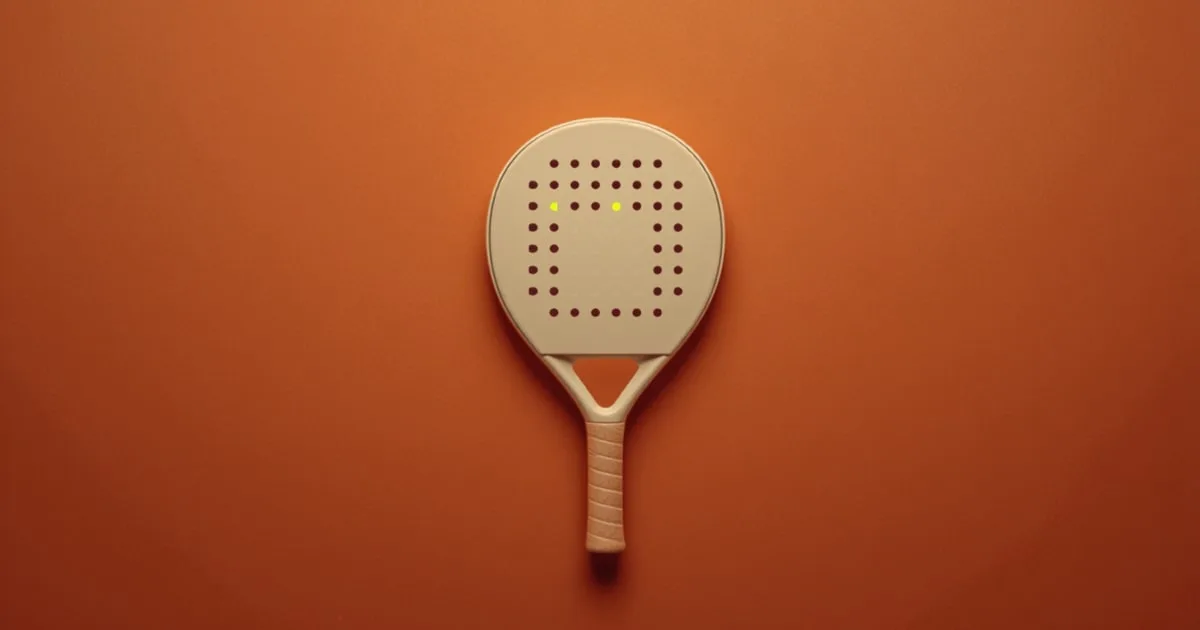
If your elbow lights up after padel, the fix starts with a soft core and a light frame. The Nox AT10 Pro Cup Soft is our top arm-friendly pick — soft HR3 EVA core, low-ish balance, a reputation built on comfort. On a budget or if you want the least swing weight possible, the Head One Ultralight 300g takes strain off the arm through sheer lightness. This guide is for recreational players fighting padel elbow, and especially for tennis crossovers who already know their forearm is a weak spot.
One honest thing up front, because it matters more than any racket: gear reduces load, it doesn't cure tendinitis. If you're in pain right now, get a physio to look at it. Everything below assumes you're managing an elbow, not treating an injury.
How we picked
We don't run a lab. This guide is research-synthesis — we cross-checked manufacturer specs (core type, shape, weight, balance, face material), then weighed them against what padel players consistently report about elbow comfort, and against the physics of how vibration travels up a handle. The how we research page explains the process, and you can browse the full padel silo for related gear.
Where a spec was inconsistent across sources — Nox in particular publishes wide weight ranges — we say so instead of pretending precision. If we can't verify something, we won't build a recommendation on it.
What actually matters for tennis elbow
Four levers move the needle, roughly in order of impact.
Soft EVA core
This is the big one. The core is the foam sandwiched inside the racket, and its density decides how much of the ball's impact gets passed up the handle into your arm. A soft, low-density EVA core (like Nox's HR3 Soft) works like a shock absorber — it flexes on contact and swallows vibration. A hard core is the opposite: crisp, powerful, and unforgiving on a bad elbow. For arm health, soft wins almost every time.
Round shape and a centered sweet spot
Round rackets put the sweet spot dead in the middle of the face. Off-center hits are where jarring vibration comes from, so a big, central sweet spot means fewer nasty jolts. Teardrop and diamond shapes push the sweet spot higher for power — great for smashers, worse for elbows. If your arm is the priority, go round.
Low or head-light balance
Balance is where the racket's weight sits. Head-heavy rackets swing like a hammer — more power, more strain on the forearm every time you accelerate and stop the head. Low or head-light balance keeps the mass near your hand, so there's less leverage working against your elbow. It's the difference between swinging a broom by the middle versus by the very end.
Light overall weight
Less mass to move means less work for the arm. Simple. But there's a catch most guides skip: go too light and you'll start muscling the ball to generate power, which loads the forearm right back up. The sweet spot for most elbow-conscious players is a light-but-not-featherweight frame with a soft core — the core does the work so you don't have to swing hard.
Vibration and arm-load at a glance
This is the table competitors don't bother to build. It's a relative comparison based on published specs and how these rackets tend to play — not measured vibration numbers.
Nox AT10 Pro Cup Soft
- Core
- HR3 Soft EVA
- Shape
- Hybrid
- Weight
- 360–375 g
- Balance
- Low–medium
- Arm-load lean
- Low
Nox Equation Soft Advanced
- Core
- HR3 Soft EVA
- Shape
- Varies
- Weight
- 350–375 g
- Balance
- —
- Arm-load lean
- Low
Babolat Contact
- Core
- Soft/X-EVA
- Shape
- Round-ish
- Weight
- 335–355 g
- Balance
- Med–head-light
- Arm-load lean
- Low
Head One Ultralight 300g
- Core
- Comfort Foam
- Shape
- Round
- Weight
- 300 g
- Balance
- ~265 mm (med)
- Arm-load lean
- Very low
Read it as a starting point, not gospel. Your grip size, technique, and how much you clench matter as much as the frame.
Our top picks explained
Nox AT10 Pro Cup Soft — best all-round arm-friendly racket
The soft version of a well-known line, and it earns the top spot. Soft HR3 EVA core, a low-to-medium balance, 38 mm profile, weight landing between 360 and 375 g. The soft core is the headline: it cushions contact and softens the feedback that usually rattles a sore elbow. The balance sits low enough to keep swing weight manageable.
The honest caveat: this is marketed as an advanced/pro racket, so if you're brand new, the feel might be more demanding than you want, and at 360–375 g it isn't the lightest here. But for a player who wants a real, playable racket that happens to be kind to the arm, it's a strong pick.
Check price· around $170–210 (opens in new tab)Nox Equation Soft Advanced — soft core with a forgiving face
Built around the same low-density HR3 Soft EVA core, paired with a 3K fiberglass face. That fiberglass matters — it flexes more than raw carbon, so the whole racket feels softer through the ball. One reviewer on Playtomic level 2, control-oriented and worried about tennis arm, was specifically weighing this racket for injury-conscious play, which tells you where it sits.
Drawback: the declared weight range is wide and unverified between sources, so check the exact frame you're buying. And the softer face trades away some smash power — fine if control and comfort are your priorities.
Check price· around $120–160 (opens in new tab)Babolat Contact — light and forgiving, great for crossovers
The Contact is one of the more approachable rackets on this list. Depending on the version, it runs light (roughly 335–355 g), uses a soft EVA core, and leans toward a medium or head-light balance. That combination — light, soft, balanced toward the hand — is exactly what an elbow wants. It's also a natural first padel racket for a tennis player, because the controlled, non-explosive feel rewards clean contact over swinging hard.
Heads up: Babolat shuffles specs across model years, so the weight and balance can differ between the Contact you find and the one we're describing — read the listing. And it's not a power racket; you'll supply the pace.
Check price· typically $90–130 (opens in new tab)Head One Ultralight 300g — the lightest relief
When weight is your enemy, 300 g is a real answer. Round shape (central sweet spot), a Comfort Foam core designed to absorb vibration, a beam of 38 mm, and a medium balance around 265 mm. For anyone whose elbow reacts to swing weight, taking 50–70 g off the frame is the single biggest thing you can change.
The trade-offs are honest ones. So light that overheads can feel underpowered — you'll notice it on bandejas and smashes. And despite the soft foam, the 12K carbon face is stiffer than fiberglass, so it's not the softest-hitting racket here. Best when lightness matters more than punch.
Check price· around $110–150 (opens in new tab)Hesacore Grip — the cheapest elbow upgrade
Before you buy a new racket, try this. The Hesacore is a hexagonal grip that reduces vibration and handle stress, and players consistently report a genuine drop in hand and forearm strain. The hex shape spreads pressure across your palm so you naturally clench less — and over-clenching is a quiet driver of elbow pain.
Two catches. It adds around 0.48 oz, which is fine on most rackets but can feel like too much on an ultralight frame (one player noted exactly that). And the hex shape takes a session or two to feel normal. Small price for what it does.
Check price· around $20–30 (opens in new tab)Nox Custom Grip — tune the balance yourself
This one's a different tool. The Nox Custom Grip uses an interchangeable counterweight system so you can adjust the racket's weight and balance. For an elbow, that means you can shift the balance lower and more head-light — reducing the leverage working against your forearm — and the changes are reversible, so you dial it in over time.
It's not a dedicated anti-vibration grip, though, so don't expect the cushioning a Hesacore gives. It only helps if you already know which balance your arm prefers. Useful for tinkerers, less so if you just want a plug-and-play fix.
Check price· spec varies — check the listing (opens in new tab)Don't overlook the grip and the hand
Half the elbow-pain fights are won below the racket head. Grip size that's too small forces you to grip harder to keep the racket stable, and that constant clenching feeds straight into the forearm tendons. Get it right first — our padel grip size guide walks through measuring and fixing it.
Sweaty hands make this worse, because a slipping racket makes you squeeze even tighter. A tacky overgrip fixes the slip without the death grip — see our picks for the best padel overgrip for sweaty hands.
For tennis players making the switch
Here's the reassuring part: padel is often gentler on the elbow than tennis. No strings whipping a heavy head through the ball, shorter frame, less mass. If tennis gave you the elbow in the first place, padel done sensibly can be easier on it. The risks are the repeated wall rebounds and overheads, so ease in and don't chase power early. If you want a broader crossover-focused shortlist, our guide to the best padel racket for tennis players covers frames that translate well from the tennis court.
Bottom line
For most people fighting padel elbow, the Nox AT10 Pro Cup Soft is the pick — a genuinely playable racket with a soft core and low balance doing the heavy lifting. If weight is your main trigger, drop to the Head One Ultralight 300g. And before spending on a new frame, throw a Hesacore Grip on what you've got and fix your grip size — the cheapest, fastest relief on this whole list. Just remember the disclaimer that runs through everything here: a racket manages load, it doesn't heal a tendon. Pair the gear with a physio, and your elbow will thank you.
The picks
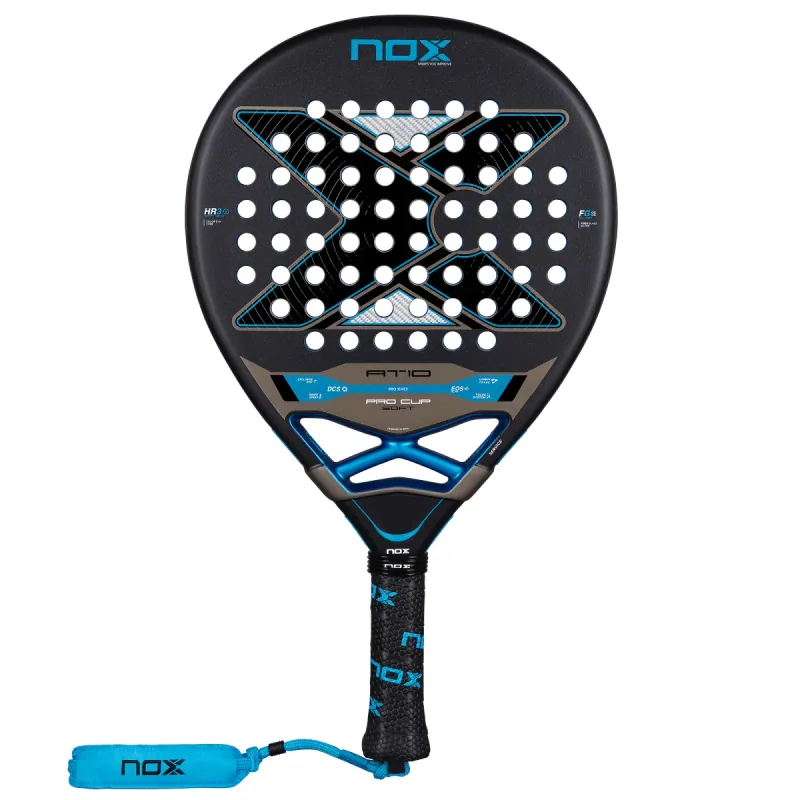
Nox AT10 Pro Cup Soft
Best for: Players who want a soft core in a proper all-round racket
- Weight: 360–375 g
- Shape: hybrid
- Core: HR3 Soft EVA
- Balance: low to medium
- Thickness: 38 mm
Pros
- Soft HR3 EVA core cushions impact and cuts harsh feedback
- Low-ish balance keeps swing weight off the elbow
- Long-standing arm-friendly reputation in this line
Cons
- Marketed as advanced/pro — beginners may want something more forgiving
- At 360–375 g it's not the lightest option here
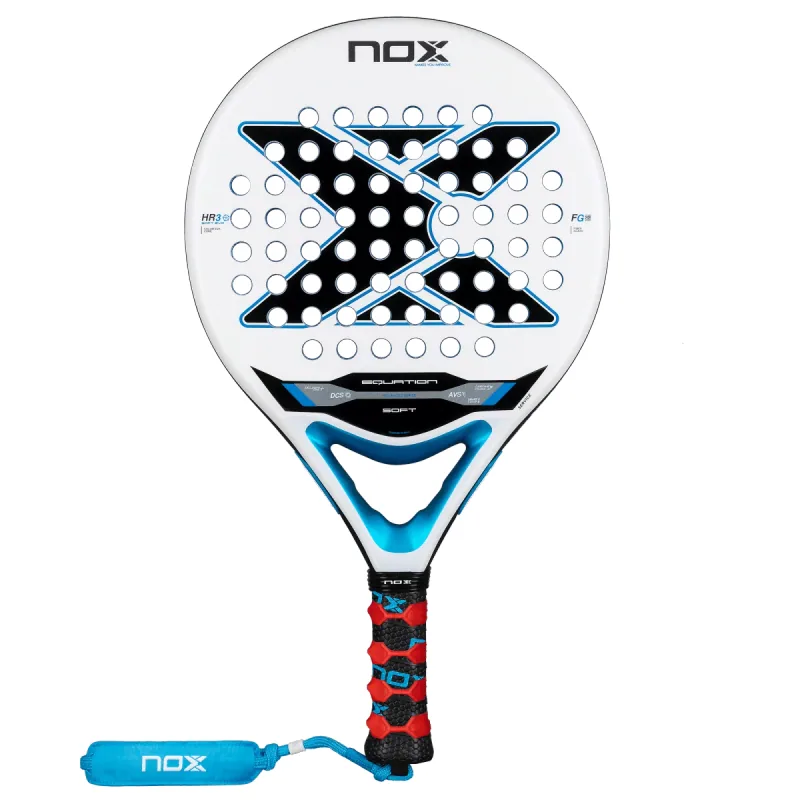
Nox Equation Soft Advanced
Best for: Control players worried about arm injuries
- Weight: 350–375 g (sources vary)
- Core: HR3 Soft EVA
- Face: 3K fiberglass
- Shape: check the listing
Pros
- Low-density HR3 Soft EVA core built around comfort
- Fiberglass face is softer and more forgiving than raw carbon
- Good ball output without a stiff, jarring feel
Cons
- Declared weight range is wide and unverified between sources
- Softer face means less raw power on smashes
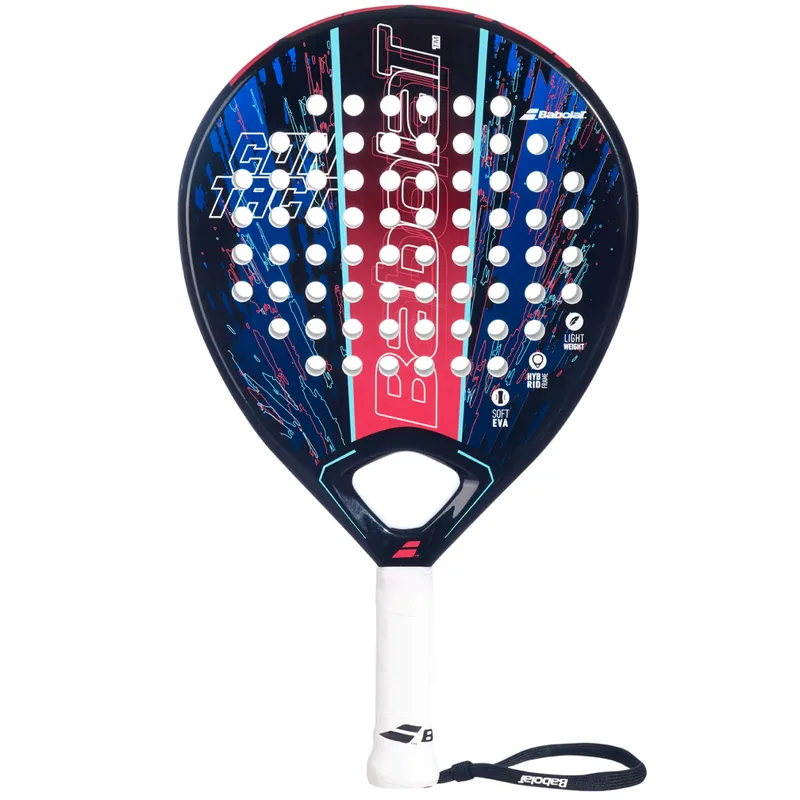
Babolat Contact
Best for: Beginners and tennis crossovers wanting a light, controlled feel
- Weight: 335–355 g (soft core version)
- Core: Soft EVA / X-EVA
- Balance: medium to head-light (varies by version)
- Thickness: 38 mm
Pros
- One of the lighter mainstream rackets — easy on the arm
- Soft core and forgiving feel suit newer players
- Head-light balance in some versions reduces elbow load
Cons
- Specs shift across model years — check the exact version
- Not a power weapon; you supply the pace
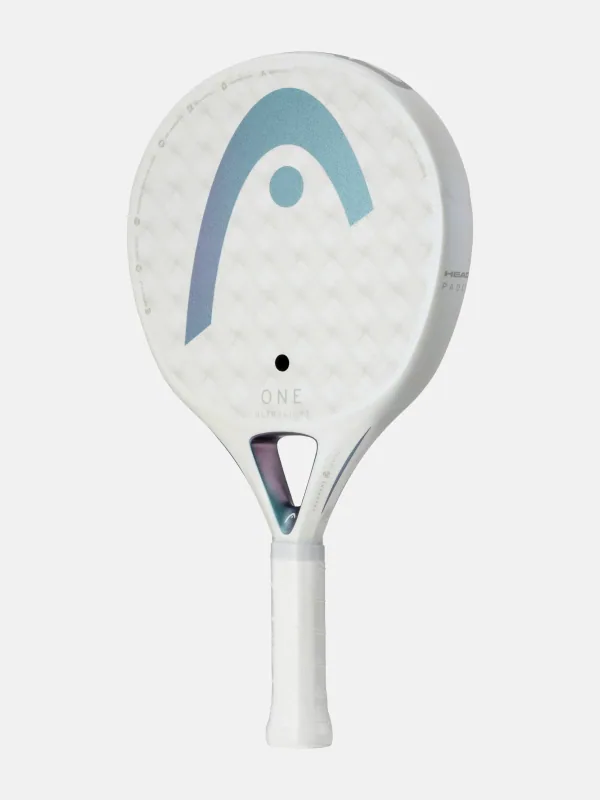
Head One Ultralight 300g
Best for: Players who need the lightest possible racket for elbow relief
- Weight: 300 g (+/- 10)
- Shape: round
- Core: Comfort/Control Foam
- Balance: around 265 mm (medium)
- Face: 12K carbon
- Beam: 38 mm
Pros
- 300 g is genuinely light — less mass to accelerate and decelerate
- Comfort Foam core is designed to absorb vibration
- Round shape puts the sweet spot dead center, cutting off-center jarring
Cons
- So light it can feel underpowered on overheads
- 12K carbon face is stiffer than fiberglass despite the soft foam
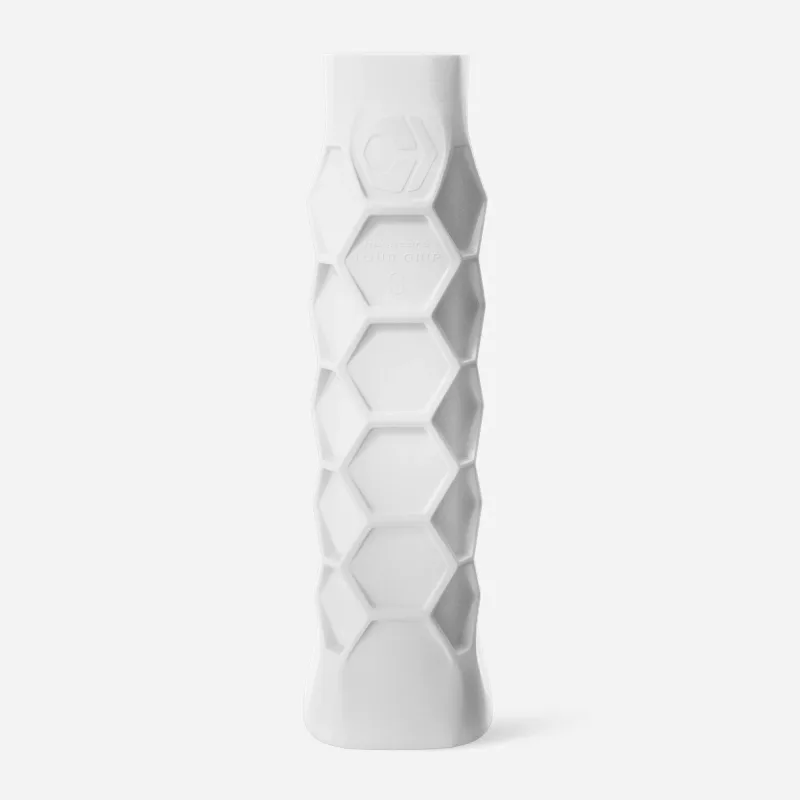
Hesacore Grip
Best for: Anyone whose elbow reacts to handle vibration
- Type: hexagonal grip, replaces the base grip feel
- Function: reduces vibration and handle stress
- Weight: adds roughly 0.48 oz vs a standard grip
Pros
- Players consistently report a real drop in vibration and hand strain
- Hex shape spreads grip pressure so you clench less
- Cheap fix relative to buying a whole new racket
Cons
- Adds noticeable weight — can feel like too much on an ultralight racket
- The shape takes a session or two to get used to
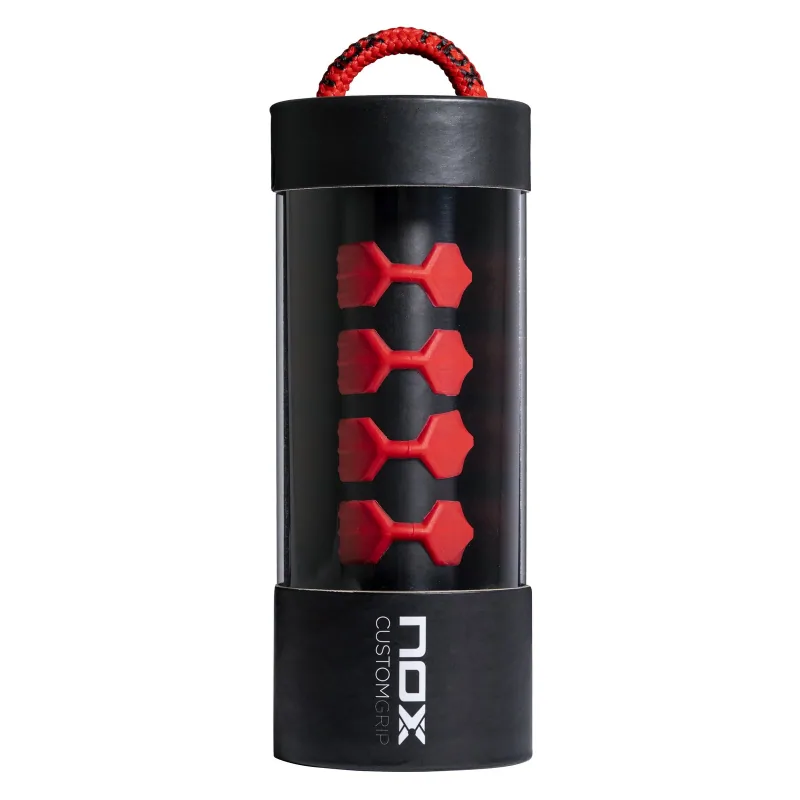
Nox Custom Grip
Best for: Players who want to tune weight and balance themselves
- Type: interchangeable counterweight system
- Function: adjust weight and balance of the racket
Pros
- You can shift balance lower/head-light to ease elbow load
- Tuning is reversible — dial it in over time
Cons
- It's a tuning tool, not a dedicated anti-vibration grip
- Only helps if you know what balance your arm prefers
Frequently asked questions
Can a padel racket cure tennis elbow?
No. A racket can reduce the load and vibration hitting your arm, which helps prevent flare-ups, but it won't heal an existing tendinitis. If you already have pain, see a physio or sports doctor — the right racket is support, not treatment.
What makes a padel racket arm-friendly?
A soft EVA foam core, a round head shape, a low or head-light balance, and lighter overall weight. Softer cores absorb impact instead of transmitting it up the handle, and lower balance means less strain accelerating the racket. A fiberglass face is generally softer than raw carbon too.
Is a lighter racket always better for tennis elbow?
Usually, but not always. Lighter rackets are easier to swing and put less strain on the arm, which is why they're often recommended. But a racket that's too light can force you to muscle the ball, adding strain — so pair light weight with a soft core and good technique.
Does the grip help with padel elbow?
Yes, more than people expect. A shock-absorbing grip like the Hesacore reduces handle vibration reaching your arm, and correct grip size stops you from over-clenching. Grip size that's too small is a common hidden cause of elbow pain.
I get tennis elbow from tennis — will padel be worse?
Often it's actually gentler. Padel rackets are shorter, lighter, and stringless, so there's no whip-heavy racket head loading your forearm the way a tennis racket does. The main risk is the repeated wall and glass rebounds and overheads — start with a soft, light setup and ease in.