Best Padel Racket for Women 2026: Picks by Level
The best padel racket for women isn't the pinkest or the lightest — it's the one matched to your level and swing. Honest picks from beginner to advanced.
Published
Babolat Dyna Spirit
- Best for
- Beginners who want the lightest, easiest racket
- Price
- typically $110–140
Nox Equation Advanced Soft
- Best for
- Improvers moving toward a defensive, control game
- Price
- around $130–170
Joma Valkiria Flex
- Best for
- Value-focused improvers who want a forgiving round head
- Price
- typically $80–110
Bullpadel Elite W
- Best for
- Advanced players with a fast, aggressive swing
- Price
- around $200–260
Bullpadel Pearl 26
- Best for
- Strong, advanced players who want to attack
- Price
- around $190–250
The best padel racket for women isn't the pinkest one on the shelf or the lightest one you can find. It's the one matched to your level and your swing. If you're an improver heading toward a control game, the Nox Equation Advanced Soft is the forgiving, arm-friendly pick most women will love. Just starting out and want something feather-light? The Babolat Dyna Spirit at 330 g is the easiest to swing here. And if you're advanced with a fast, aggressive stroke, the Bullpadel Elite W gives you the same tier of tool the pros actually play with. Below, the full lineup — sorted by who you are, not by the graphics.
The "women's racket" myth, quickly
Let's get one thing said up front: "women's padel racket" is mostly a marketing category, not an engineering one. The physics of a padel racket doesn't care about your gender. It cares about how fast you swing, how strong your wrist is, and how cleanly you hit the ball.
Look at the top of the pro tour. Bea González and Gemma Triay don't play with lightweight pastel control rackets. They use elite, powerful frames, often with high balance and demanding shapes. If the fastest women in the world use pro-spec tools, the idea that female rec players need something light and gentle by default falls apart.
That doesn't mean weight is irrelevant. It means you should choose your weight, shape, and core based on your body and your level, not the label. Some women should go light. Some absolutely shouldn't. Let's sort it out.
How we picked
These picks come from synthesizing manufacturer specs, player consensus across padel forums and reviews, and each racket's reputation for the level it targets, not from hands-on lab testing. You can read more about that approach on our how we research page.
We prioritized three things: a spread across levels (true beginner up to advanced), soft cores and forgiving shapes for anyone still building consistency, and honest tradeoffs, because every racket that's great for one player is wrong for another. For the deeper shape breakdown behind these calls, our guide to round vs teardrop vs diamond padel rackets is the companion read.
What actually matters (instead of color)
Weight
Padel rackets mostly sit between 330 and 365 g. Lighter frames are easier on the wrist and quicker to the ball at the net: great if you're new, have any elbow history, or just prefer speed. Heavier frames give you more free power on smashes but ask more of your arm. The right number is about your forearm and technique, not a chart labeled "women."
Shape and balance
Round rackets have the sweet spot right in the center and low balance, making them the most forgiving, most controllable option and the smart default for beginners and control players. Teardrop is the versatile middle ground. Diamond shapes put the sweet spot high with high balance for maximum power, and they're the least forgiving. Get the full picture in round vs teardrop vs diamond.
Core (the underrated one)
This is the spec most "women's racket" marketing skips. A soft EVA core absorbs shock and is far kinder to your elbow than a hard one, and that comfort matters more for arm health than shaving off a few grams. If protecting your joints is the goal, chase a soft core first.
Our top picks explained
Babolat Dyna Spirit: lightest and easiest to swing
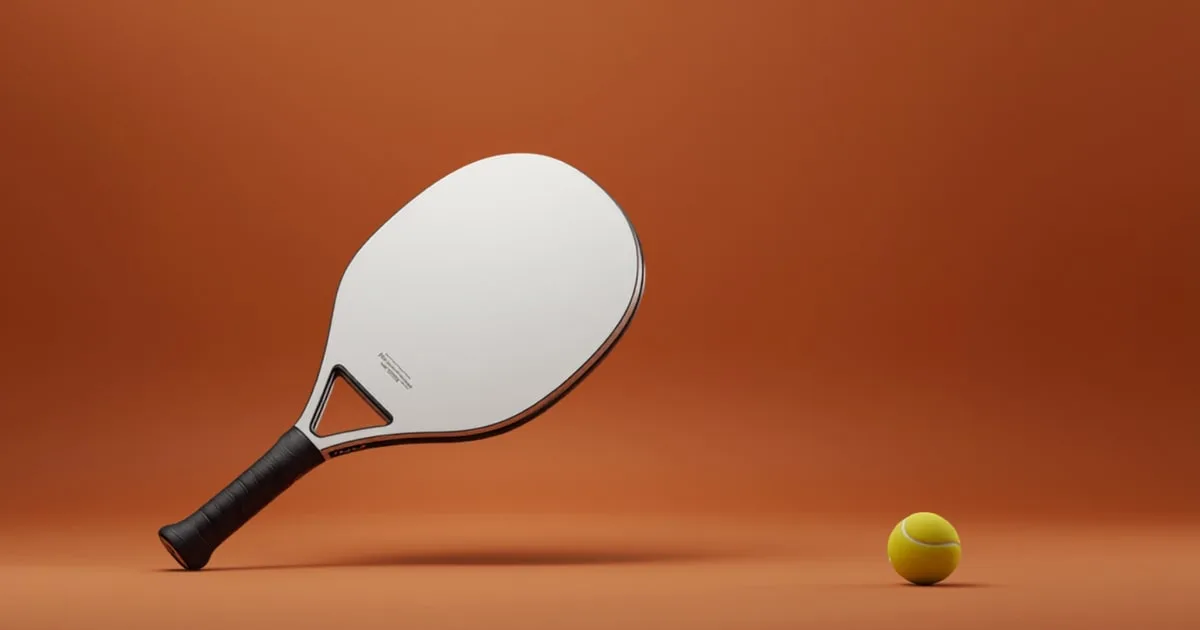
At 330 g with an even balance and a soft EVA core, the Dyna Spirit is the most maneuverable racket in this guide. Its teardrop head keeps it versatile, and the thin 36 mm profile helps you place volleys. This is the one to hand a total beginner who's worried about weight or wrist strain.
The catch: light weight means less free power, so you'll have to generate pace on smashes yourself. And the fiberglass face won't stay lively as long as a carbon one. For an easy, forgiving starter, though, it's hard to beat.
Check price· typically $110–140 (opens in new tab)Nox Equation Advanced Soft: the forgiving improver's racket
Most women moving from beginner toward a real control game should start their shortlist here. A round head plus medium balance and the HR3 soft EVA core gives you a big, central sweet spot and a comfortable feel that holds up over a long match. It's built for defenders who want the ball to land where they aimed.
It's not a power racket; if you like ending points with a big smash, you'll want more punch than this offers. Also worth noting: the face composition (carbon vs fiberglass) varies by version, so confirm on the listing before you buy.
Check price· around $130–170 (opens in new tab)Joma Valkiria Flex: the value round racket
If you want a forgiving round head without the premium price, the Valkiria Flex delivers. Round shape, low balance, and a 1K carbon face at 350–360 g make it easy to swing and easy to hit, and the carbon face gives it a durability edge over cheaper fiberglass frames. Good bang for your money.
Power is where it stays modest; low balance keeps it firmly control-first. And the black EVA core can feel a touch firmer than a dedicated soft core, especially on cold mornings. For a budget-conscious improver, it's a lot of racket.
Check price· typically $80–110 (opens in new tab)Bullpadel Elite W: a real pro-tier tool
Don't let the "W" fool you into thinking this is a watered-down racket. The Elite W is a hybrid-shaped frame with a MultiEva core, medium balance, and vibration-damping tech that makes an aggressive stiff frame more forearm-friendly. The hybrid shape blends control and punch, so it covers the whole court well. It's the racket for an advanced player with a fast, clean swing.
But it's priced like the elite racket it is, and that's overkill for anyone below solid intermediate. A hybrid frame also punishes mishits harder than a round one — you need the technique to earn it.
Check price· around $200–260 (opens in new tab)Bullpadel Pearl 26: power for strong attackers
The Pearl 26 is the attacking end of this lineup: a diamond shape with high balance (~26 cm) and a dual-density MultiEva core that pairs a rigid power layer with a softer feel layer. The rough sandy surface helps you grab the ball for spin. If you're an advanced player who wants to finish points from above, this is your racket.
That high-balance diamond combo is the least forgiving here, though: small sweet spot, demanding on contact. It's the wrong racket for beginners or anyone still finding their consistency. Buy it only if you already know you want the power.
Check price· around $190–250 (opens in new tab)Quick comparison
Babolat Dyna Spirit
- Weight
- 330 g
- Shape
- Teardrop
- Best for
- Lightest, easiest for beginners
Nox Equation Advanced Soft
- Weight
- 355–365 g
- Shape
- Round
- Best for
- Forgiving control for improvers
Joma Valkiria Flex
- Weight
- 350–360 g
- Shape
- Round
- Best for
- Value round racket
Bullpadel Elite W
- Weight
- 350–360 g
- Shape
- Hybrid
- Best for
- Advanced, aggressive all-court
Bullpadel Pearl 26
- Weight
- 355–365 g
- Shape
- Diamond
- Best for
- Advanced power attackers
A note for tennis crossovers
Tennis converts, one warning: the heaviest, most powerful frame will call to you, because that's how tennis rewards strength. Resist it at first. Padel technique lives in the wrist and short, compact swings, and a diamond racket will punish the tennis habit of swinging big and long. Start with a round or teardrop control racket, let your padel timing settle in, then graduate to something like the Pearl once your contact is clean. Your elbow will thank you.
Bottom line
Stop shopping by color and start shopping by level. Beginners and anyone protecting their arm should lean light and round with a soft core: the Babolat Dyna Spirit, Nox Equation Advanced Soft, or Joma Valkiria Flex. Advanced players with fast, clean swings have every right to the same elite tools the pros use, whether that's the versatile Bullpadel Elite W or the punchy Pearl 26. If you're still figuring out where you fit, our full beginner padel racket guide walks through the fundamentals before you spend a cent.
The picks
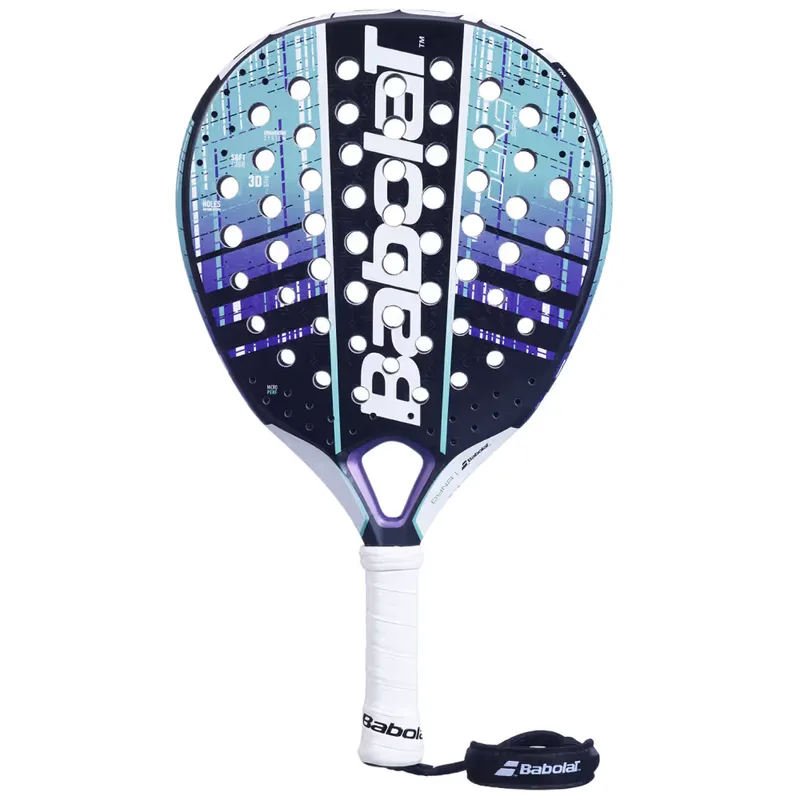
Babolat Dyna Spirit
Best for: Beginners who want the lightest, easiest racket
- Weight: 330 g ±10
- Shape: teardrop
- Core: soft EVA
- Balance: even, 265 mm
- Face: fiberglass
- Thickness: 36 mm
Pros
- At 330 g it's the most maneuverable racket here — easy on the wrist and forearm
- Even balance and soft EVA make mishits far more forgiving
- Thin 36 mm profile helps with control on volleys
Cons
- The light weight means less free power on smashes — you supply the pace
- Fiberglass face has a shorter lifespan than carbon before it goes soft
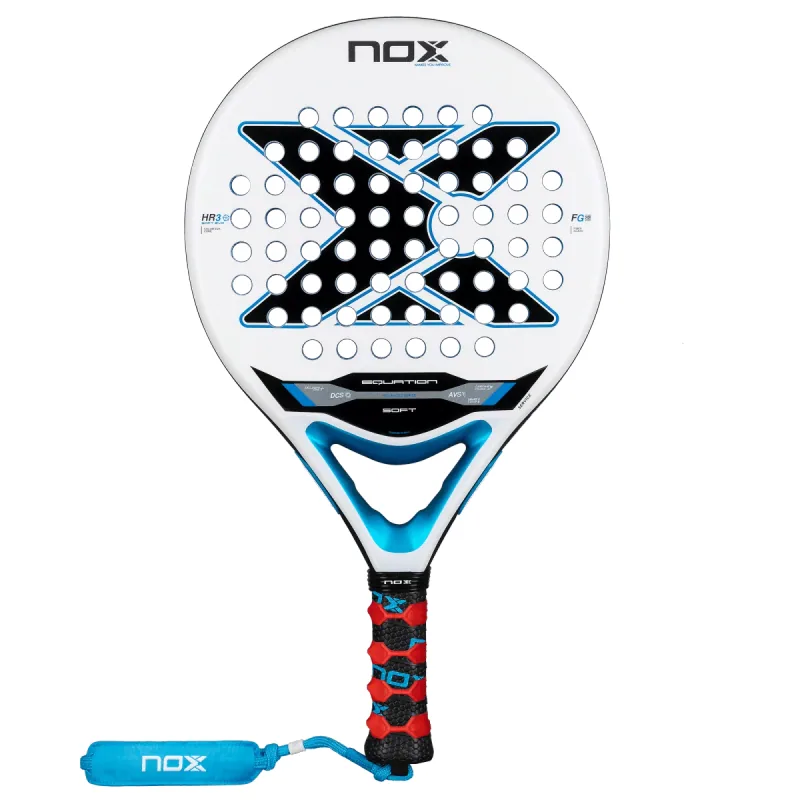
Nox Equation Advanced Soft
Best for: Improvers moving toward a defensive, control game
- Weight: 355–365 g
- Shape: round
- Core: HR3 soft EVA
- Balance: medium
- Face: 3K fiberglass / 12K carbon (check the listing)
Pros
- Round head plus medium balance gives a large, central sweet spot
- Soft core is comfortable and easy on the arm across a long match
- Built for control — great for defenders who want the ball to go where they aim
Cons
- Not a power racket; if you like to end points with a smash you'll want more
- Face composition varies by year/version — confirm carbon vs fiberglass on the listing
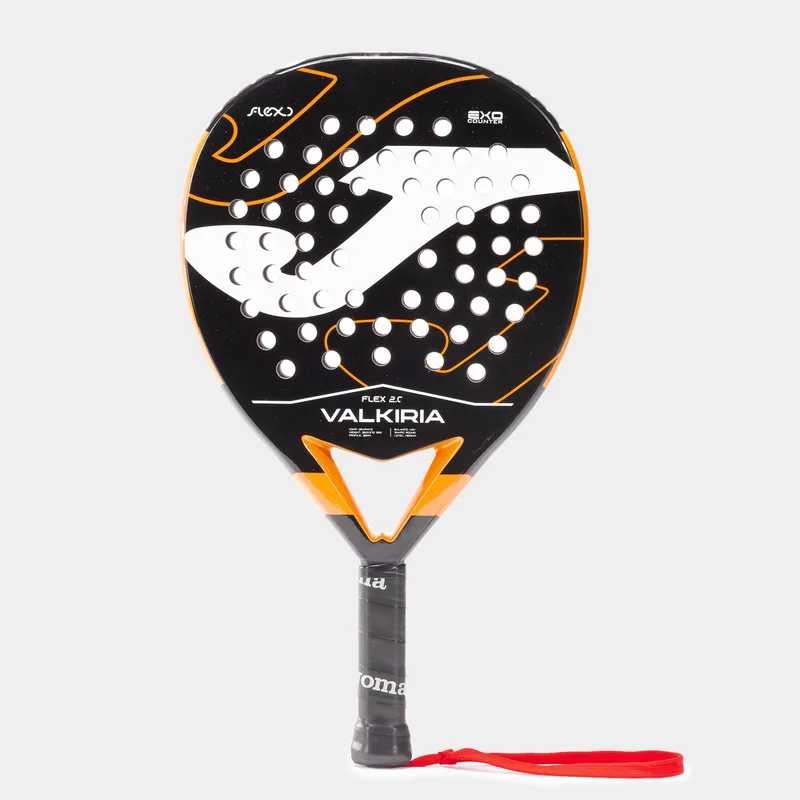
Joma Valkiria Flex
Best for: Value-focused improvers who want a forgiving round head
- Weight: 350–360 g
- Shape: round
- Core: black EVA
- Balance: low
- Face: 1K carbon
- Thickness: 38 mm
Pros
- Round shape and low balance make it easy to swing and forgiving on off-center hits
- 1K carbon face for a bit more durability than a fiberglass budget racket
- One of the more affordable rackets in this lineup
Cons
- Low balance keeps power modest — this is a control-first racket
- Black EVA can feel firmer than a dedicated soft core in cold weather
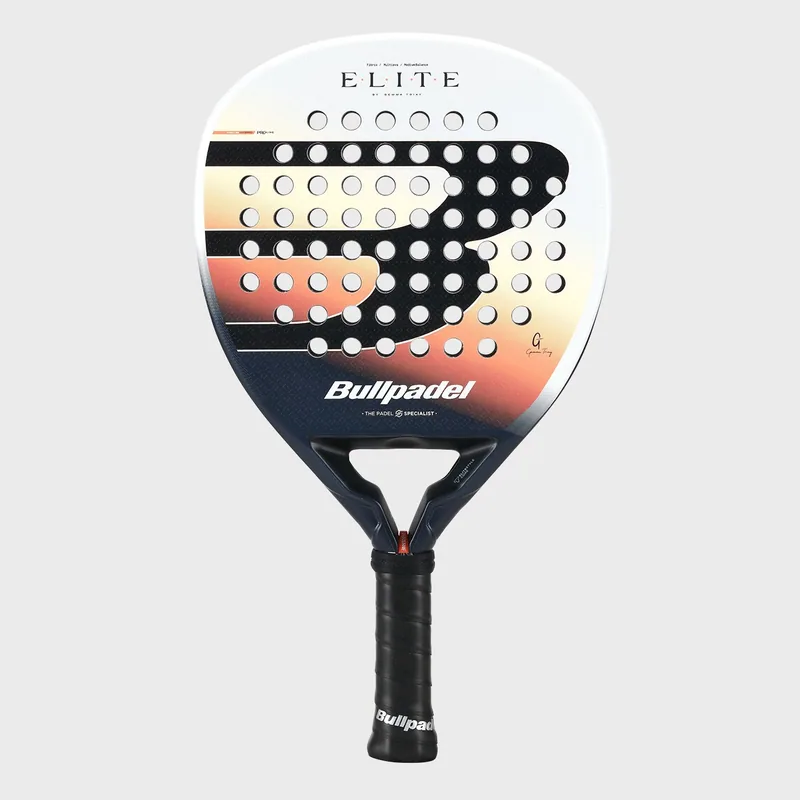
Bullpadel Elite W
Best for: Advanced players with a fast, aggressive swing
- Weight: 350–360 g
- Shape: hybrid
- Core: MultiEva
- Balance: medium, ~25.8 cm
- Face: Fibrix
- Thickness: 38 mm
Pros
- Hybrid shape splits the difference between control and punch — versatile for all-court play
- Vibration-damping tech makes a stiff, aggressive frame more forearm-friendly
- A genuine pro-tier tool, not a watered-down 'women's' version
Cons
- Priced like the elite racket it is — overkill for anyone below solid intermediate
- Rewards clean technique; mishits with a hybrid frame feel harsher than with a round one
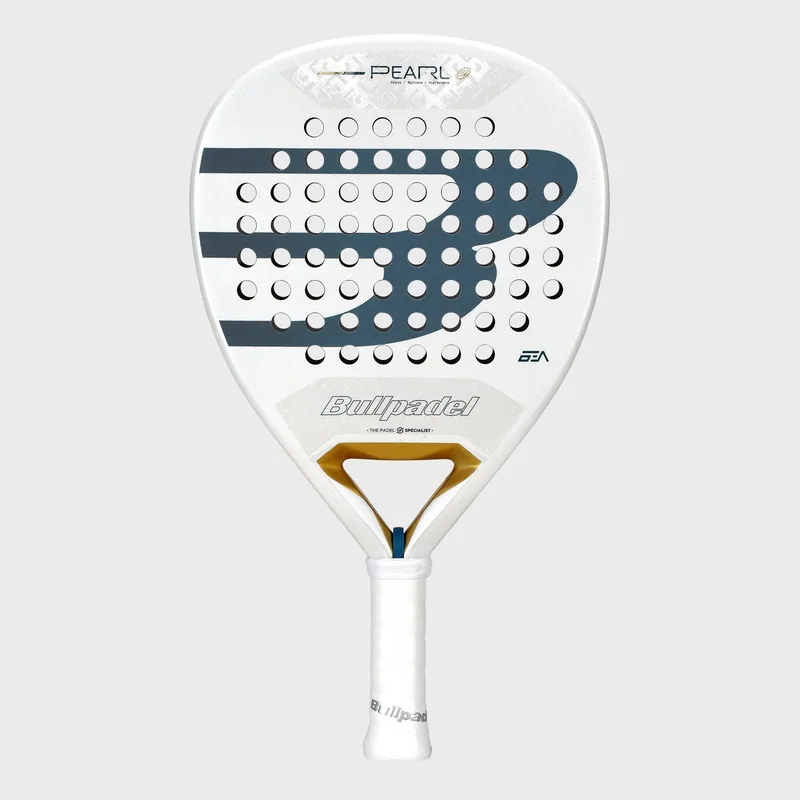
Bullpadel Pearl 26
Best for: Strong, advanced players who want to attack
- Weight: 355–365 g
- Shape: diamond
- Core: MultiEva dual-density
- Balance: high, ~26 cm
- Face: check the listing
- Thickness: 38 mm
Pros
- Diamond shape with high balance means serious power on smashes
- Dual-density core blends a rigid power layer with a softer feel layer
- Rough sandy surface helps you grab the ball for spin
Cons
- High balance and diamond head are the least forgiving combo here — small sweet spot
- Wrong racket for beginners or anyone still building consistency
Frequently asked questions
Is there really such a thing as a women's padel racket?
Not in any technical sense. So-called women's rackets are usually just lighter frames with different graphics — but plenty of women swing 365 g diamond rackets, and plenty of men use light control rackets. What matters is your level, swing speed, and wrist strength, not the label on the box.
How heavy should a padel racket be for a woman?
Most rackets land between 330 and 365 g, and that whole range is fine for women. If you're new or have any wrist or elbow sensitivity, start lighter — around 350 g or below. If you have a fast swing and want power, the extra grams at 360–365 g add punch. It's about your body and technique, not gender.
What's the best padel racket for a female beginner?
A round-shaped racket with a soft core and a weight around 350 g or lighter. The Babolat Dyna Spirit (330 g) is the most maneuverable option here, while the Nox Equation Advanced Soft and Joma Valkiria Flex give you a bigger sweet spot. Round + soft + light = forgiving, which is exactly what a beginner needs.
Should I buy a lighter racket to protect my elbow?
A lighter racket helps, but the core matters more. A soft EVA core absorbs shock and reduces the jarring you feel on off-center hits, which is a bigger driver of elbow strain than weight alone. Pair a soft core with a good grip size and you'll protect your arm better than by chasing the lightest frame.
Do pro women use lightweight rackets?
No. Top players like Bea González and Gemma Triay use full-spec elite rackets — often diamond or hybrid shapes with high balance for power. That's a clear sign the 'women need light rackets' idea is marketing, not physics. They use those frames because their technique lets them, not because of their gender.