Best Shoes for Both Padel and Pickleball 2026: Top Picks
The best shoes for both padel and pickleball, honestly compared. Multi-court soles, lateral support, and where the do-both compromise actually costs you.
Published
Head Sprint Pro 4.0
- Best for
- Outdoor players who want one durable pair
- Price
- typically $110–140
Asics Gel-Rocket 12
- Best for
- Indoor padel and indoor pickleball courts
- Price
- around $60–80
Babolat Jet Premura 2
- Best for
- Padel-first players who also dabble in pickleball
- Price
- typically $120–150
Wilson Rush Pro Ace
- Best for
- Players who want stability and durability first
- Price
- around $100–130
K-Swiss Express Light
- Best for
- Pickleball-first players who occasionally play padel
- Price
- around $90–120
The Head Sprint Pro 4.0 is the best single pair for playing both padel and pickleball, at least for the majority who play mostly outdoors: a durable, breathable tennis-court shoe with the lateral support both sports demand. If you're mostly indoors, the cheaper Asics Gel-Rocket 12 grips indoor floors better with its gum sole. But be honest with yourself first: a shoe built to do both is always a compromise, and if one sport dominates your week, the specialist shoe wins.
This guide is for the crossover crowd: the padel player who got dragged to a pickleball morning, the pickleball regular curious about padel, the tennis player trying both. You want gear guidance without buying two pairs before you've decided which sport you love.
How we picked
We don't run a lab or play-test shoes for weeks. Rallyary works by synthesizing manufacturer specs, verified retailer data, and the consensus of players who actually own these shoes; the full method lives on our how we research page.
For this list, we leaned on a few things: verified specs (weight, fit, outsole type where the data spelled it out), the structural features that matter for do-both use, and the pattern of what owners consistently report. Every pick had to clear one bar (real lateral support), and then we spread the field across surfaces and price so there's a match whether you're indoor, outdoor, or splitting the difference.
Why a do-both shoe is always a compromise
Most gear roundups won't say this plainly, so we will: there's no perfect crossover shoe, and the reason is the ground under your feet.
Padel and pickleball share a lot. Both are short, explosive games built on stop-start lateral movement. You're rarely sprinting in a straight line; you're shuffling, planting, and changing direction. That's why a court shoe beats a running shoe for either. Running shoes push you forward and roll under a hard side cut; a court shoe locks your foot down and lets you trust that plant.
Where the two sports split is the surface. Outdoor padel is usually played on sand-dressed artificial turf, which rewards a herringbone or omni-style sole that bites into the grit. Indoor pickleball happens on smooth hard court or gym floors, where a gum sole grips best and a gritty outdoor tread actually slides. A single outsole can't be great at both.
So the practical move is to pick your shoe around your main surface, then accept the compromise on the other. Match the sole to where you play most, and a do-both shoe works beautifully. Ignore that, and even a great shoe feels wrong.
Tennis players will half-recognize this problem already. We dig into why your old tennis kicks might or might not cut it in can you use tennis shoes for padel.
What to look for in a crossover court shoe
Lateral support first
Non-negotiable. The upper needs to hold your foot when you drive sideways, and the shoe should sit low and stable so you're not rolling off the edge. If a shoe fails here, nothing else matters.
Match the outsole to your surface
Indoor-heavy player? You want a gum sole (the Asics leads here). Outdoor turf player? You want an all-court, omni, or herringbone pattern that grips sand and survives abrasion. This is the single biggest decision.
Durability vs. weight
Lighter shoes feel faster and are a joy for quick pickleball footwork, but the padel-specific lightweights sometimes trade away longevity. Tennis-derived shoes tend to be heavier and tougher. Pick the trade that fits how often you play.
Fit and breathability
Both games get hot and sweaty, especially indoor padel. A ventilated upper helps more than you'd think. And check width, because a couple of these run narrow.
Our top picks explained
Head Sprint Pro 4.0: best all-round do-both pick
This is the shoe we'd hand most crossover players who spend more time outdoors. It's built as a tennis shoe, which means a durable outsole and a low, glove-like fit that helps you snap through direction changes. Verified specs put it at 372 g (US 10) with a breathable mesh upper, and it ranks among the most breathable court shoes around, which matters when you're sweating through a summer session. There's even a wide 2E version, a rarity in this category.
The compromise? Because it's optimized for hard courts, the outsole isn't tuned for indoor gum grip. On a smooth gym floor for pickleball it works fine but isn't its happy place. Outdoors, it shines.
Check price· typically $110–140 (opens in new tab)Asics Gel-Rocket 12: best for indoor courts (and best value)
If your padel and pickleball both happen indoors, this is the pick, and it's cheap enough to be a low-risk way to test whether you even like these sports. The Gel-Rocket 12 is an indoor court shoe with a gum outsole (Asics markets it for volleyball and indoor court sports, pickleball included), so it grips smooth floors the way tennis-derived shoes can't. Gel cushioning and a supportive upper round it out, and owners like its balance of stability and flex for stop-start footwork.
The obvious drawback: that low, flat indoor sole is the wrong tool for gritty outdoor turf. Take it on outdoor padel and it'll wear quickly and grip less. Indoors, it's excellent for the money.
Check price· around $60–80 (opens in new tab)Babolat Jet Premura 2: best if padel is your main game
Padel-first players who occasionally play pickleball should look here. At a verified 310 g, it's the lightest shoe on this list; you feel quick and low on the padel court. Babolat built it around padel's lateral loads, and the ventilation is a standout: two side vents plus a micro-perforated insole for hot indoor sessions. Standard fit, 10 mm drop.
One real weakness: durability. Multiple owners report the outsole and upper wearing out faster than they'd like. It's a lovely shoe to play in; just don't expect it to last forever, especially if you grind out a lot of hours.
Check price· typically $120–150 (opens in new tab)Wilson Rush Pro Ace: best for stability and toughness
If you value a planted, stable feel and a shoe that won't die on abrasive courts, this tennis shoe crosses over well. Lab weight lands around 357 g, and it has an accommodating toebox that suits wider feet and long sessions. That stability makes hard lateral cuts feel confident, and the tennis-grade durability carries over nicely to rough outdoor surfaces.
What you give up is agility. It's stiffer and reads heavier on foot than the padel-specific options, so if you prize nimble footwork you might find it a touch clunky. For players who want support and longevity over lightness, it's a strong shout.
Check price· around $100–130 (opens in new tab)K-Swiss Express Light: best for pickleball-first players
The mirror image of the Babolat pick: if pickleball is your main sport and padel is the side quest, start here. The Express Light is an actual pickleball shoe with an all-court EVA outsole (a do-both design from the ground up, rather than a repurposed tennis sole), and its cushioning is built for the pounding of long pickleball rallies. At around 360 g (US 10, men's) it stays light enough for quick footwork.
Fit is the thing to watch: verified reports note some colorways run a touch narrow and half a size small. If you can, try before you buy, or size up. Otherwise it's a well-judged crossover option.
Check price· around $90–120 (opens in new tab)Quick comparison
Head Sprint Pro 4.0
- Best for
- Outdoor do-both
- Weight
- 372 g (US 10)
- Sole leaning
- Hard court / outdoor
Asics Gel-Rocket 12
- Best for
- Indoor courts, value
- Weight
- check the listing
- Sole leaning
- Indoor gum
Babolat Jet Premura 2
- Best for
- Padel-first
- Weight
- 310 g
- Sole leaning
- check the listing
Wilson Rush Pro Ace
- Best for
- Stability & durability
- Weight
- 357 g
- Sole leaning
- Hard court / outdoor
K-Swiss Express Light
- Best for
- Pickleball-first
- Weight
- ~360 g
- Sole leaning
- All-court EVA
The crossover angle for tennis players
If you're coming from tennis, good news: your instincts about court shoes mostly transfer. You already know a court shoe locks your foot for lateral movement, and you're used to matching a sole to a surface. The Head and Wilson picks here will feel familiar and reassuring right away.
The adjustment is surface expectation. Tennis hard courts sit between padel turf and indoor pickleball floors, so a tennis shoe is a decent compromise for both but perfect for neither. If you're new to padel specifically and want shoes chosen for that game, our roundup of the best padel shoes for beginners narrows it down.
Bottom line
One pair for both padel and pickleball is absolutely doable; just choose it around the surface you play most and accept it'll be second-best on the other. Outdoor crossover players should go Head Sprint Pro 4.0, indoor players on a budget the Asics Gel-Rocket 12. And if one sport clearly dominates your calendar, do yourself a favor and buy the specialist shoe. The compromise only makes sense when your play is genuinely split.
The picks
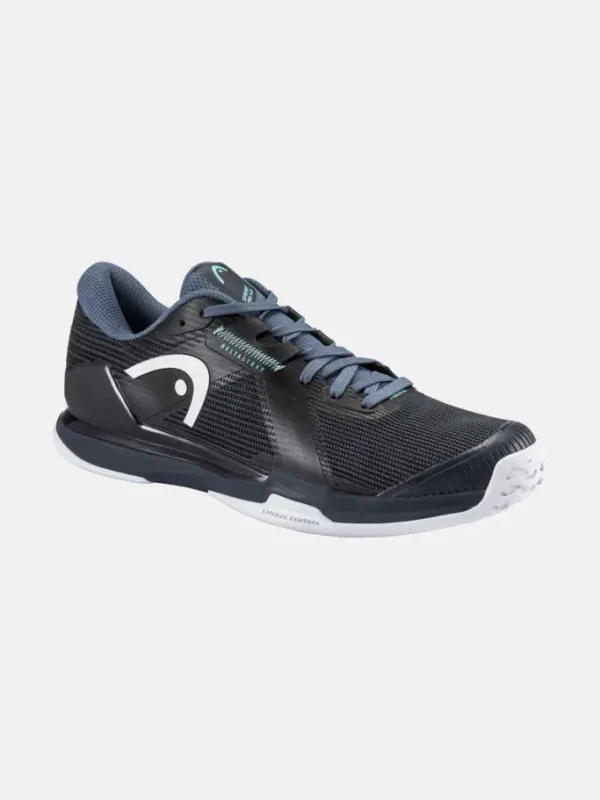
Head Sprint Pro 4.0
Best for: Outdoor players who want one durable pair
- Weight: 372 g (US 10)
- Sole: check the listing
- Fit: true to size, wide 2E option
- Cushioning: check the listing
- Upper: breathable mesh
Pros
- Glove-like, low-to-the-court fit that helps quick side-to-side changes
- One of the most breathable shoes going — a real plus for outdoor summer play
- Wide 2E version exists, which most court shoes skip
Cons
- It's built as a tennis shoe, so the outsole is optimized for hard courts, not indoor grip
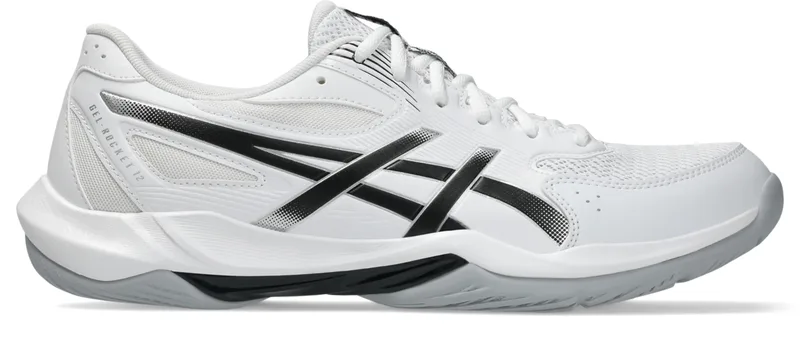
Asics Gel-Rocket 12
Best for: Indoor padel and indoor pickleball courts
- Weight: check the listing
- Sole: gum indoor outsole
- Fit: supportive upper, true to size
- Cushioning: gel cushioning
Pros
- Gum sole is made for indoor floors — grip that hard-court shoes can't match inside
- Genuinely cheap for a court shoe, so a low-risk way to try both sports
- Good stability-to-flex balance for stop-start footwork
Cons
- The low, flat indoor sole is wrong for gritty outdoor courts — it'll wear fast and grip less
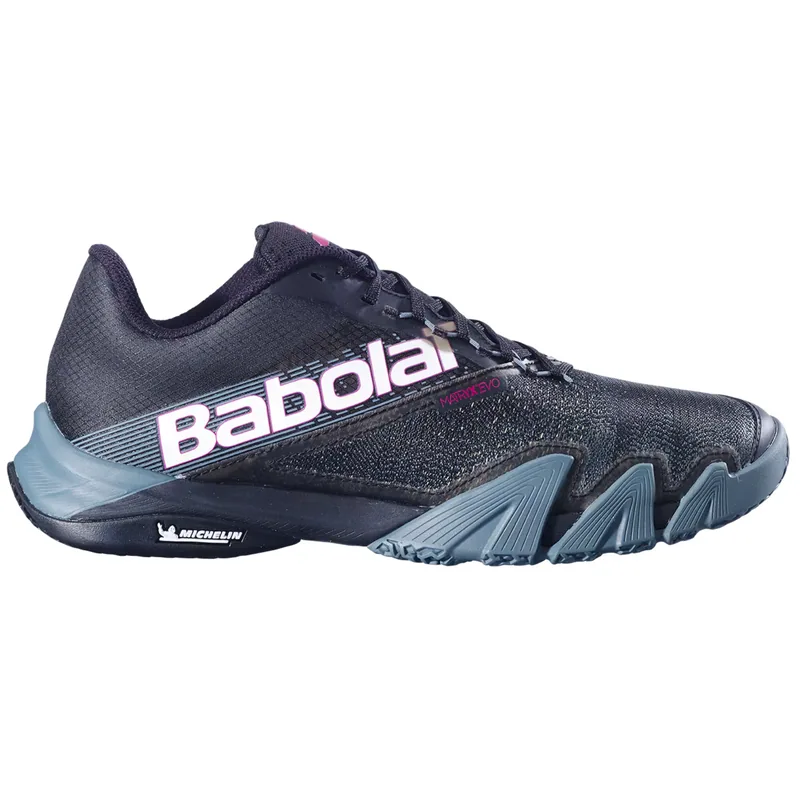
Babolat Jet Premura 2
Best for: Padel-first players who also dabble in pickleball
- Weight: 310 g
- Sole: check the listing
- Fit: standard, 10 mm drop
- Cushioning: check the listing
- Upper: micro-perforated, two side vents
Pros
- Lightest shoe here at 310 g — you feel fast on the padel court
- Serious ventilation, built for hot, sweaty indoor padel sessions
- Designed around the lateral loads padel throws at your feet
Cons
- Multiple owners flag durability — the outsole and upper don't always hold up long
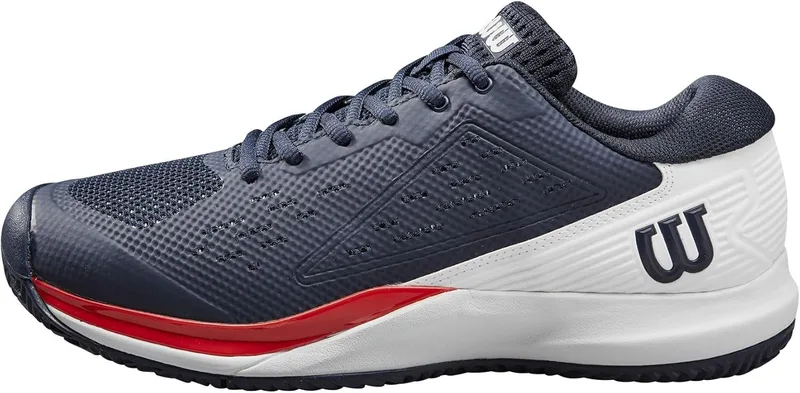
Wilson Rush Pro Ace
Best for: Players who want stability and durability first
- Weight: 357 g (lab weight)
- Sole: check the listing
- Fit: accommodating toebox, true to size
- Cushioning: check the listing
Pros
- Stable, planted feel that inspires confidence on hard lateral cuts
- Roomy toebox suits wider feet and long sessions
- Tennis-shoe durability carries over well to abrasive outdoor courts
Cons
- It's stiffer and heavier-feeling than the padel-specific options — less nimble
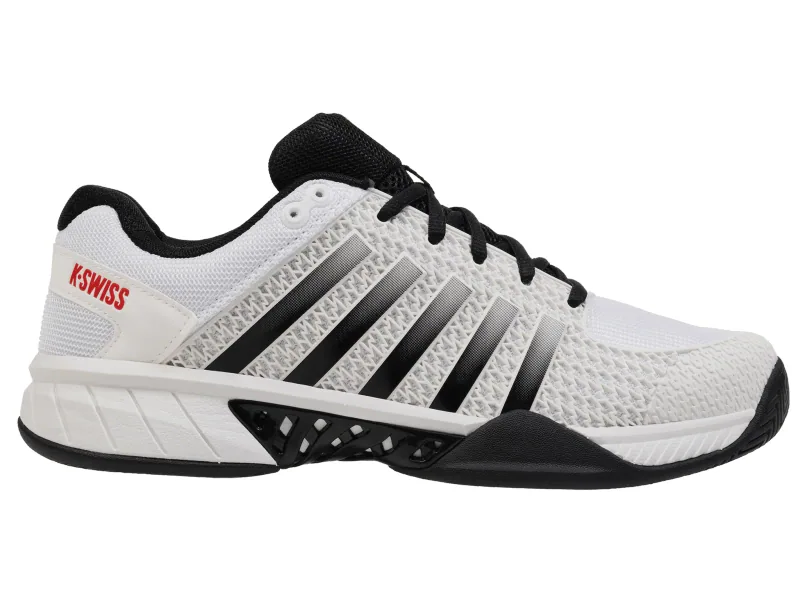
K-Swiss Express Light
Best for: Pickleball-first players who occasionally play padel
- Weight: ~360 g (US 10, men's)
- Sole: all-court EVA outsole
- Fit: true to size, runs a touch narrow/small
- Cushioning: EVA midsole cushioning
Pros
- All-court outsole is a genuine do-both design, not a repurposed tennis sole
- Light for a supportive shoe, so quick pickleball footwork stays easy
- Cushioning built for the pounding of long pickleball rallies
Cons
- Some colorways run narrow and half a size small — try before you commit
Frequently asked questions
Can one pair of shoes really work for both padel and pickleball?
Yes, but it's always a compromise. Padel and pickleball share stop-start lateral movement, so a court shoe with good side support and a non-marking sole covers both. The catch is the surface: padel is often on sand-dressed artificial turf, pickleball on hard court, and no single outsole is ideal for both. Pick the shoe based on which surface you play most.
Are pickleball shoes and padel shoes the same thing?
No, though they overlap a lot. Both are court shoes with reinforced lateral support and non-marking soles, and many models cross over fine. The difference is the outsole: padel shoes (especially for outdoor turf) often use a herringbone or omni pattern to bite into sand, while pickleball shoes lean on all-court or hard-court soles. For casual play the overlap is big enough that one pair works.
Should I just use running shoes for both?
No — running shoes are a bad idea for either sport. They're built to push you forward, not sideways, so they offer almost no lateral support and roll easily on hard cuts. That's an ankle-sprain risk in games that are all about quick side-to-side movement. Any real court shoe here beats your running trainers.
What's the single most important feature in a do-both shoe?
Lateral support. Both padel and pickleball live in the side-to-side movement that running shoes ignore, so a supportive upper and a sole that keeps your foot planted matters more than cushioning or weight. After that, match the outsole to your main surface — indoor gum for indoor courts, all-court or omni for outdoor turf and hard courts.
Do I need different shoes if I play outdoor padel and indoor pickleball?
Honestly, if you play both a lot, yes — that's the toughest split for a single shoe. Outdoor padel turf wants a grippy omni or herringbone sole, and indoor pickleball floors want a smooth gum sole. A do-both shoe will underperform on at least one. If you're a light dabbler in one, live with the compromise; if you're serious about both, two pairs is the honest answer.