Best Pickleball Paddle for Seniors 2026: Comfortable Picks
The best pickleball paddle for seniors is light, easy on the arm, and has a big forgiving sweet spot. Here are five comfortable picks and honest trade-offs.
Published
Selkirk SLK Halo Control
- Best for
- Overall comfort and control
- Price
- around $130–150
JOOLA Essentials
- Best for
- Senior beginners on a budget
- Price
- typically $40–60
Paddletek Bantam EX-L
- Best for
- Players who want a bit more reach and pop
- Price
- around $90–120
Franklin Signature
- Best for
- Longer handle and lighter swing
- Price
- around $60–90
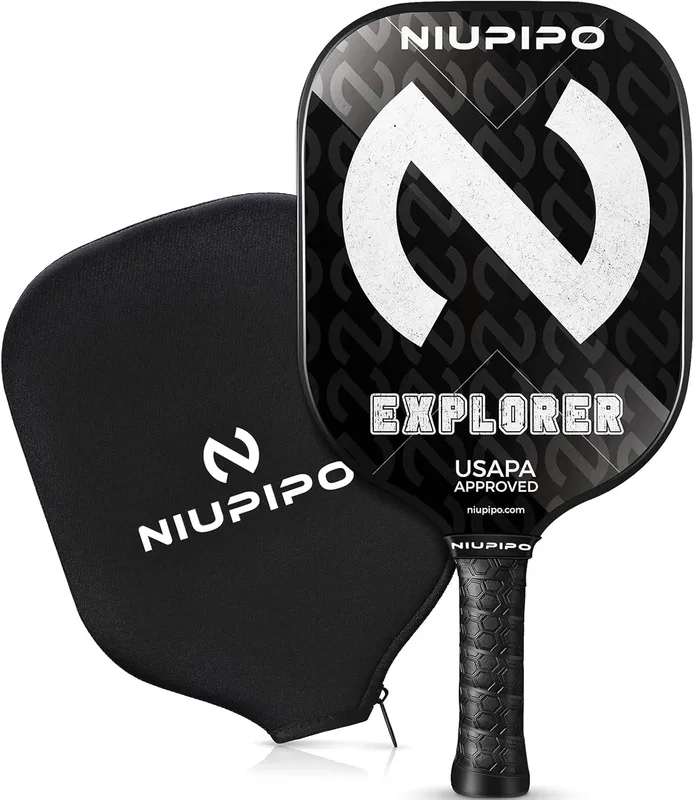
Niupipo Explorer
- Best for
- Trying pickleball without overspending
- Price
- typically $30–50
If you want the short version: the Selkirk SLK Halo Control is the paddle most senior players will be happiest with. It's light (7.7–8.0 oz), has a soft 16mm core that soaks up the sting of hard shots, and comes with a genuinely comfy grip. Want to spend a lot less? The JOOLA Essentials covers the basics without punishing your arm. This guide is for older recreational players (and their families shopping for them) who want comfort and control over raw power.
One honest note before we start: we're framing these as comfortable paddles, not medical devices. A softer core and lighter frame can make play easier on the wrist, elbow, and shoulder, but no paddle treats or prevents anything. Think comfort, not cure.
How we picked
We don't run lab tests; these picks come from synthesizing published information. We looked at verified manufacturer specs (weight, core thickness, grip size, shape) and cross-checked them against what players consistently report about feel and forgiveness. You can read more on our how we research page.
For a senior-focused list, we weighted three things heavily:
- Weight in the 7.5–8.2 oz range: light enough to swing all game without your shoulder complaining.
- A softer, thicker core (13–16mm): this is the part that damps vibration and gives a bigger, more forgiving sweet spot.
- A comfortable grip in the 4–4.25" range: easy to hold without a death-clench.
We deliberately skipped ultra-heavy power paddles and thin, harsh-feeling tournament frames. They're fine paddles; they're just not what this reader is after.
What to look for in a paddle for seniors
Weight: the comfort dial
Weight is the single biggest lever for comfort. Too heavy and every dink and drive taxes your wrist and shoulder over a two-hour session. Too light and you lose the mass that helps push the ball deep, so you end up swinging harder to compensate, which can strain the arm just as much.
The sweet spot for most older players sits around 7.6–8.0 oz. Think of it like a walking stick: you want enough weight to feel planted, not so much that you're hauling a hammer. If you're new to how weight plays into all this, our guide on pickleball paddle weight for beginners breaks it down further.
Core thickness and the "cushion" effect
A thicker core (16mm) acts like a slightly softer mattress: it absorbs energy instead of kicking it back into your hand. That means less vibration on mishits and a plusher, more controlled feel. You give up a bit of power, because some of that energy that would've launched the ball gets absorbed instead. For comfort-first players, that's a trade worth making.
Sweet spot and shape
A bigger sweet spot forgives off-center hits — and off-center hits happen more as reflexes slow. Standard-shape paddles (roughly 16" x 8") spread the sweet spot wide and low, which is easier to time than a long, narrow elongated head. If you're curious about that difference, we compare them in elongated vs standard pickleball paddles. Short version: most seniors are better served by standard.
Our top picks explained
Selkirk SLK Halo Control: best all-around comfort
This is the one we'd hand most senior players. It runs light at 7.7–8.0 oz, and the 16mm core gives a soft, muted touch that soaks up the shock of hard-hit balls. The SLK Ultra-Comfort grip lives up to its name, and the raw carbon face gives you enough bite for control on dinks and resets. The 4.25" grip and 16" standard shape keep things forgiving.
The catch? At around $130–150 it's the priciest paddle here, and being control-oriented, it won't blast winners for you. You'll need to add your own pace on deep drives. If you value a calm, cushioned feel over pop, that's a fair deal.
Best for: senior players who want the most comfortable, forgiving option and don't mind paying for it.
Check price· around $130–150 (opens in new tab)JOOLA Essentials: best budget pick for senior beginners
If you just want a solid, no-drama paddle to start with, the Essentials is hard to argue with. It's a traditional 15.5" shape with a 12mm polypropylene core, a comfortable 4" ridge grip, and it's USAP approved so you can play sanctioned rec games. At roughly $40–60 (often sold as a set with balls), it's a low-risk way in.
Downsides: at 8.2 oz it's on the heavier end of our range, and the 12mm core is a bit firmer than the plusher 16mm options, so it transmits slightly more feedback. For a beginner still building strokes, that's usually fine; just know it's not the softest paddle on this list.
Best for: senior beginners who want to learn without overspending.
Check price· typically $40–60 (opens in new tab)Paddletek Bantam EX-L: best for a little more reach and pop
The Bantam EX-L is a well-regarded standard paddle (16" x 8") with a polymer honeycomb core and a slightly thinner 12.7mm build. It weighs 7.8–8.4 oz with a comfortable 4.25" grip and a longer 5" handle, which helps if you like a two-handed backhand or just want a touch more reach.
That thinner core is worth flagging, though: it leans a hair more toward power and firmness than the plush Halo Control, so it's less about pure vibration-damping and more about a lively, responsive hit. If you find super-soft paddles feel mushy, you might actually prefer this. If arm comfort is your top priority, the thicker-cored picks edge it out.
Best for: seniors who still want some pop and a longer handle.
Check price· around $90–120 (opens in new tab)Franklin Signature: best light paddle with a longer handle
The Franklin Signature Carbon Series comes in light at 7.5–8.0 oz, which makes it one of the easier paddles here to swing over a long session. It has a 13mm polypropylene core, a carbon face for control, and a notably long 5.6" handle on a 16.5" x 7.5" frame, good if you like room down on the handle.
Two things to weigh: the shape is a little narrower (7.5" wide), so the sweet spot sits taller and thinner than a full 8"-wide paddle, meaning timing matters a bit more. And the long handle shortens the hitting surface slightly. It's a lovely light option, just not the most beginner-forgiving shape on the list.
Best for: players who want a light paddle and prefer a longer grip.
Check price· around $60–90 (opens in new tab)Niupipo Explorer: best cheap paddle to test the waters
If you're not sure pickleball will stick and you don't want to commit real money, the Niupipo Explorer is a reasonable starter. It runs light (roughly 7.62–8.0 oz), uses a polymer honeycomb core around 13mm, and comes in a standard shape near 16" x 8". Often sold in multi-packs, so it's easy to kit out a whole household.
Be realistic about it: some face and grip specs are hard to pin down, so check the listing before buying, and the build quality won't match the Selkirk or Paddletek. Think of it as a trial paddle. If you fall for the sport, you'll want to upgrade, but as a low-cost entry, it does the job.
Best for: total newcomers who want to try before investing.
Check price· typically $30–50 (opens in new tab)Quick comparison
Selkirk SLK Halo Control
- Weight
- 7.7–8.0 oz
- Core
- 16 mm
- Best for
- Most comfortable overall
JOOLA Essentials
- Weight
- 8.2 oz
- Core
- 12 mm
- Best for
- Budget beginners
Paddletek Bantam EX-L
- Weight
- 7.8–8.4 oz
- Core
- 12.7 mm
- Best for
- More reach and pop
Franklin Signature
- Weight
- 7.5–8.0 oz
- Core
- 13 mm
- Best for
- Light, longer handle
Niupipo Explorer
- Weight
- 7.62–8.0 oz
- Core
- ~13 mm
- Best for
- Testing the waters
The crossover note for former tennis players
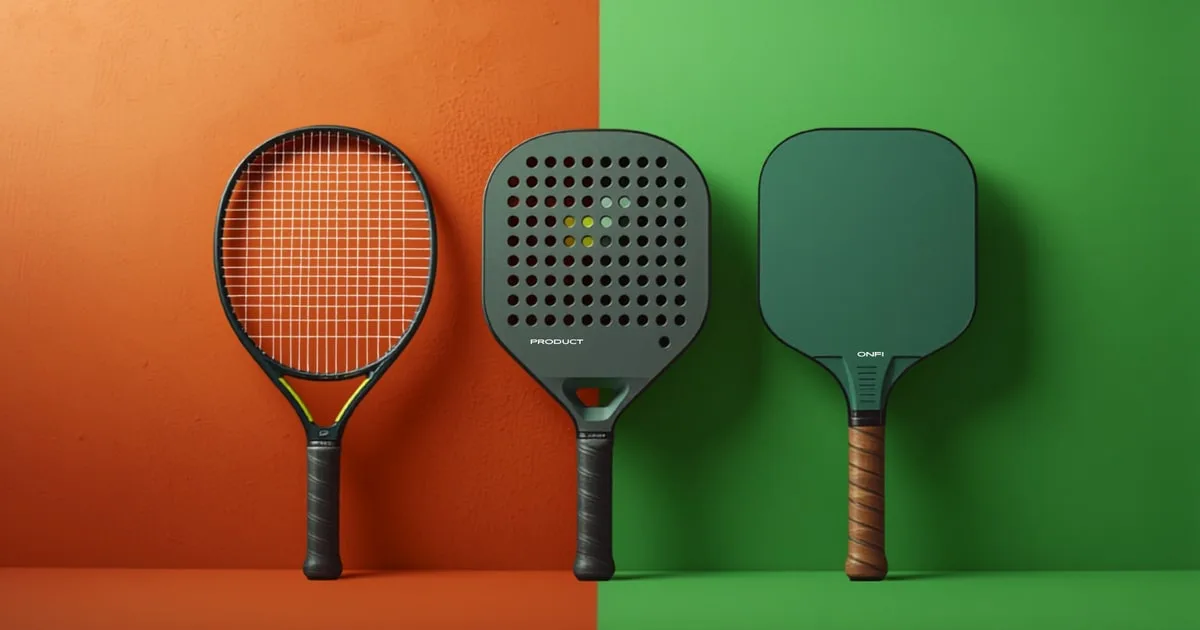
If you're a senior coming over from tennis, brace for one adjustment: pickleball paddles have no strings, so the "give" you're used to from a string bed is gone. All the shock-absorbing now comes from the core. That's exactly why the thick, soft 16mm cores here matter more for you than for a lifelong paddle player: they replace some of that cushion your racket used to provide. Start with a plush control paddle like the Halo Control and let your arm adjust before chasing power.
Bottom line
Most senior players should just get the Selkirk SLK Halo Control. It's light, soft on the arm, and forgiving, which is the combination that keeps you playing longer without soreness. If money's tight or you're just starting out, the JOOLA Essentials does the job for a fraction of the price. Go in clear-eyed about what these comfort picks cost you: lighter and softer means more control and less free power. You'll add a bit of your own swing on deep shots, a fair price for a paddle that feels good in your hand all afternoon.
The picks
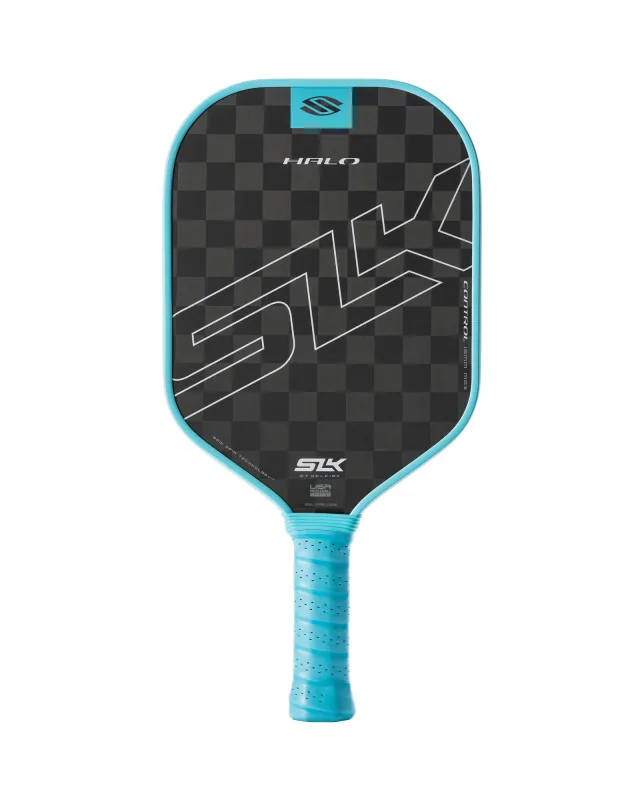
Selkirk SLK Halo Control
Best for: Overall comfort and control
- Weight: 7.7–8.0 oz
- Shape: standard, 16"
- Core: 16 mm polymer
- Face: T700 raw carbon fiber
- Grip: SLK Ultra-Comfort, 4.25"
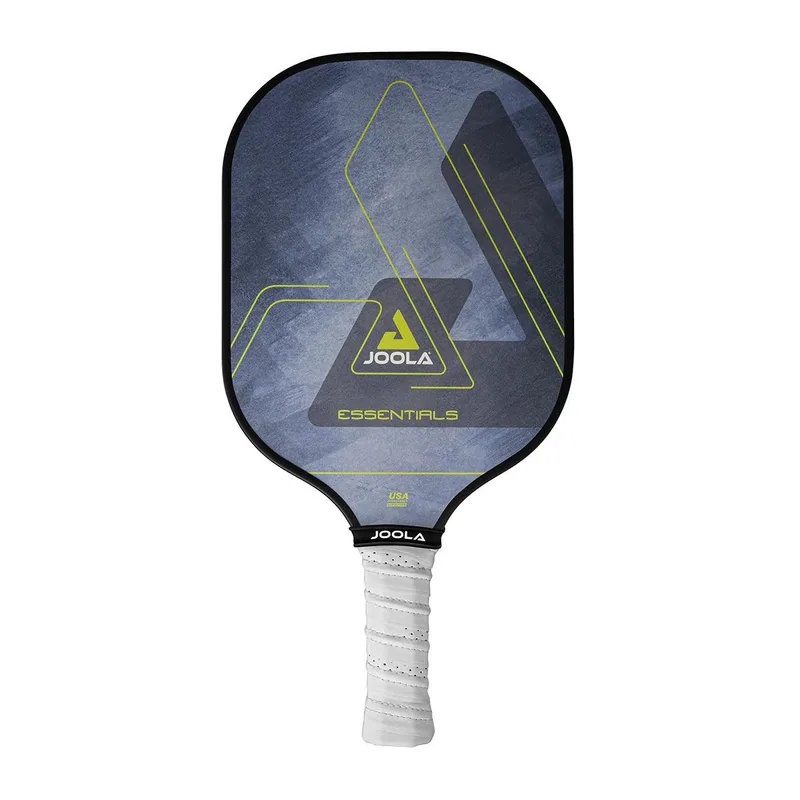
JOOLA Essentials
Best for: Senior beginners on a budget
- Weight: 8.2 oz
- Shape: traditional, 15.5"
- Core: 12 mm polypropylene
- Face: check the listing
- Grip: Ridge, 4"
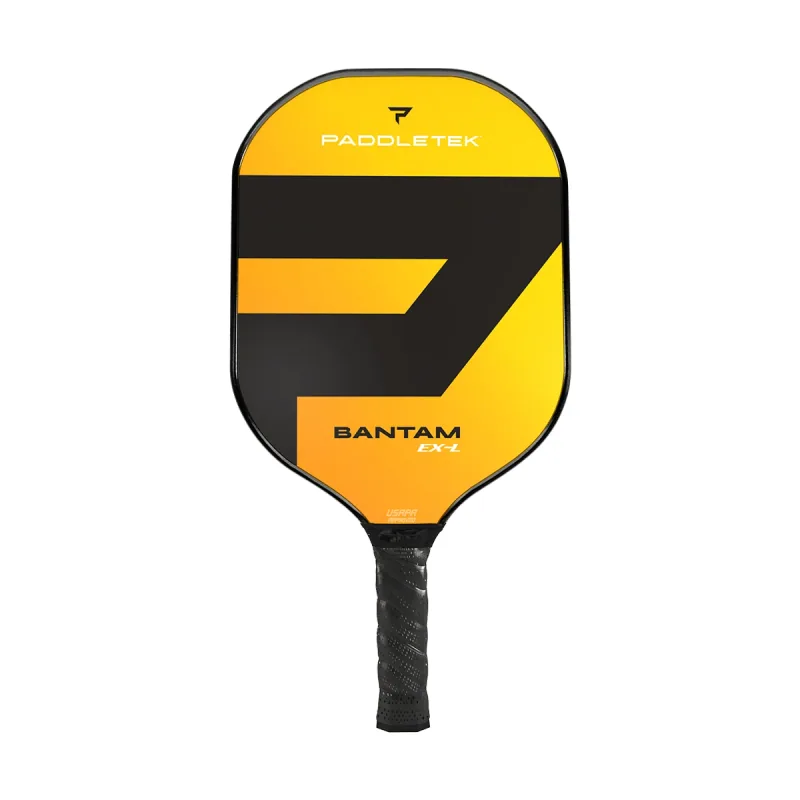
Paddletek Bantam EX-L
Best for: Players who want a bit more reach and pop
- Weight: 7.8–8.4 oz
- Shape: standard, 16" x 8"
- Core: 12.7 mm polymer honeycomb
- Face: velvet-textured poly
- Grip: 4.25" (medium)
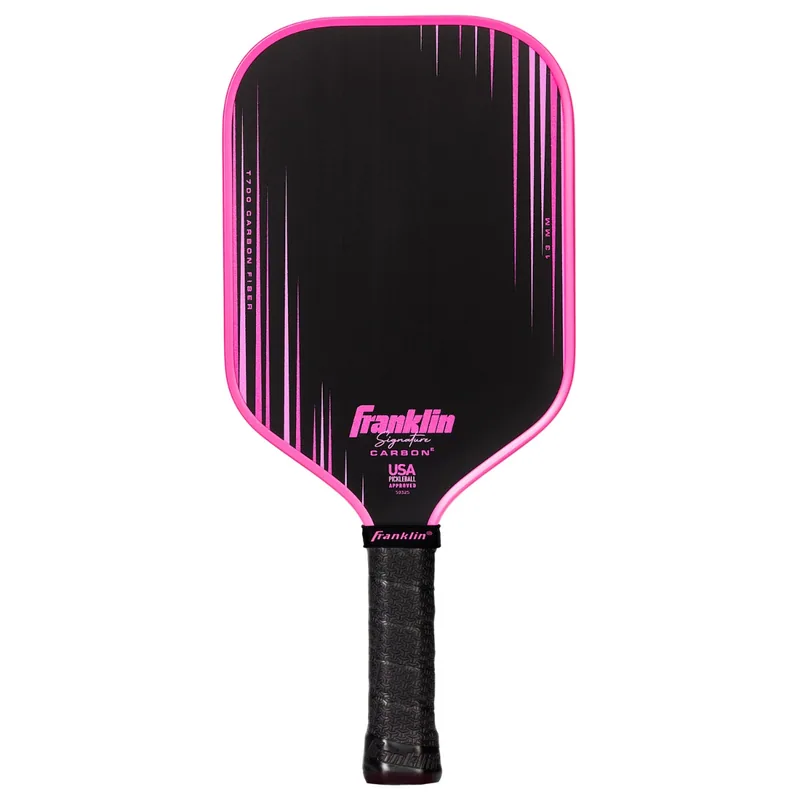
Franklin Signature
Best for: Longer handle and lighter swing
- Weight: 7.5–8.0 oz
- Shape: standard, 16.5" x 7.5"
- Core: 13 mm polypropylene
- Face: carbon (Signature Carbon Series)
- Grip: 4.25", handle 5.6"
Niupipo Explorer
Best for: Trying pickleball without overspending
- Weight: 7.62–8.0 oz
- Shape: standard, ~16" x 8"
- Core: ~13 mm polymer honeycomb
- Face: check the listing
- Grip: check the listing
Frequently asked questions
What weight pickleball paddle is best for seniors?
Most senior players do well in the 7.6–8.0 oz range. Light enough to swing without straining the wrist and shoulder, heavy enough to still hit deep. Go below 7.5 oz only if you have joint issues and don't mind losing power.
Does a heavier paddle cause more arm pain?
It can, but weight isn't the whole story. A heavier paddle asks more from your shoulder and wrist over a long session, yet a stiff, thin-core paddle can transmit more shock to your elbow regardless of weight. A lighter paddle with a soft, thick core is usually the gentler combination.
Is a bigger sweet spot really that important for older players?
Yes. As reflexes slow a little with age, off-center hits happen more often, and a bigger, more forgiving sweet spot means those mishits still land instead of spraying wide. Thicker 16mm cores tend to give the most forgiving feel.
Should a senior beginner buy an expensive paddle right away?
No need. A $40–60 paddle like the JOOLA Essentials is plenty to learn on and figure out what you like. Upgrade once you know whether you want more comfort, more reach, or more power — you'll spend smarter the second time.
What grip size should a senior look for?
A 4 to 4.25-inch grip suits most hands. If you have smaller hands or any grip-strength concerns, lean toward 4 inches; you can always build it up with an overgrip, but you can't shrink one that's too big.