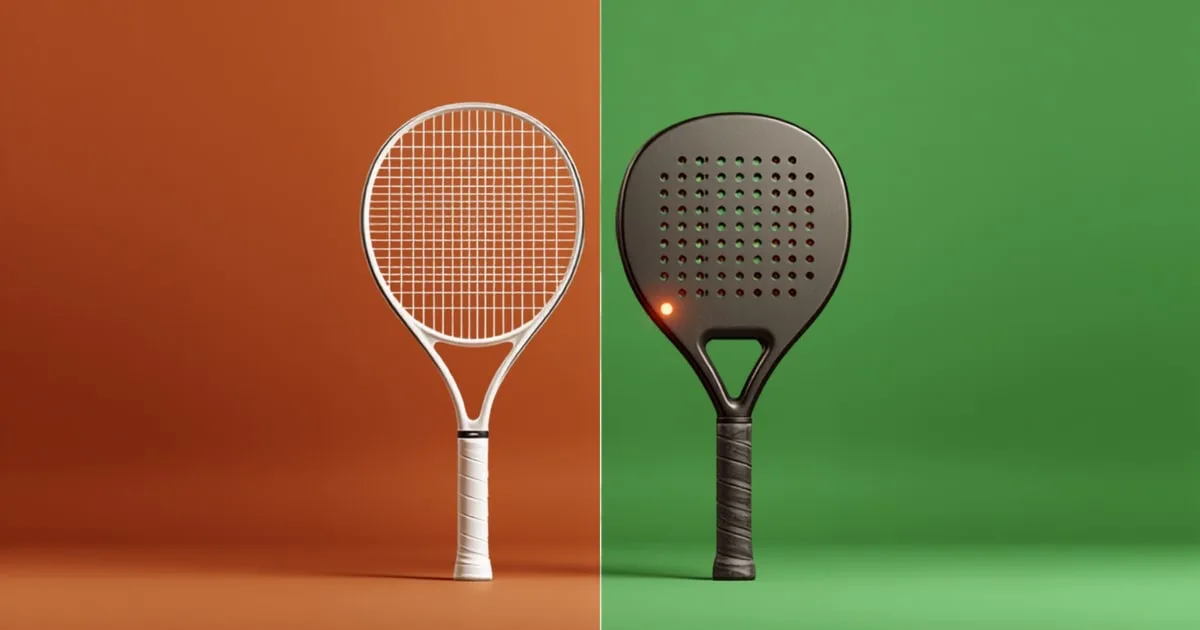
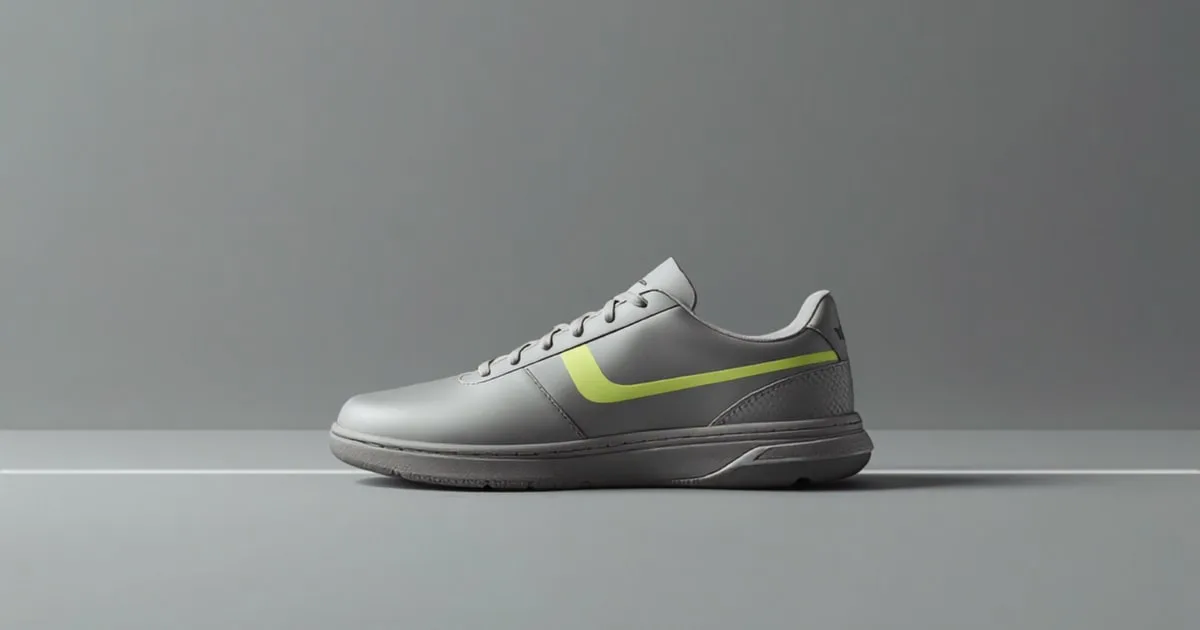
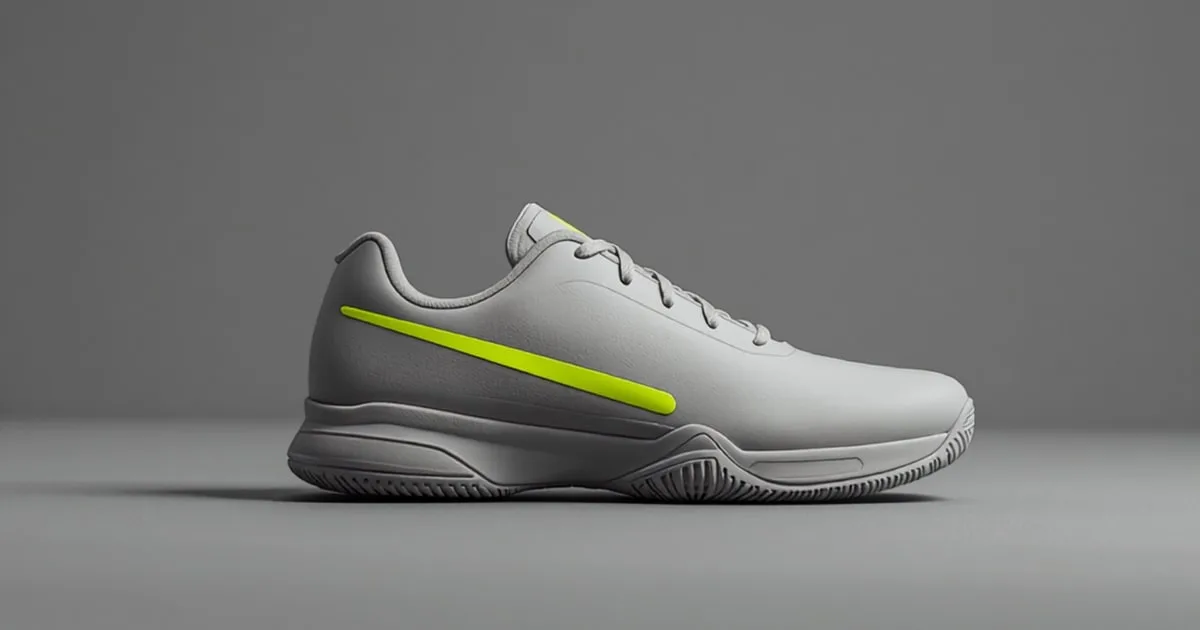
Can You Use Tennis Shoes for Padel? What Actually Works
Yes, tennis shoes work for padel on indoor and hard courts, but they're risky on sand-turf. The sole-vs-court breakdown: when it's fine and when it isn't.
Published
Short answer: yes, you can use tennis shoes for padel — and on indoor or hard-surface courts, they're honestly great. The catch is the surface. Most outdoor padel courts are sand-dressed artificial turf, and there a stiff tennis sole grips when you want it to slide, which turns into stumbles and, occasionally, a rolled ankle. So the real question isn't "tennis shoes: yes or no" — it's "which court are you playing on?"
Let's break that down, because it's the whole thing.
Why the sole is the only part that matters
Uppers, cushioning, lateral support — tennis shoes and padel shoes are near-identical there. Both are built for the same violent side-to-side movement, sudden stops, and quick pushes off the outside foot. If you're coming from tennis, that muscle memory transfers cleanly.
The difference lives entirely in the outsole tread pattern, and there are three you'll run into:
- Herringbone — the classic V-shaped zig-zag. Grips hard on clay and hard courts, resists sliding. Standard on clay-court and all-court tennis shoes.
- Omni / "spiked" pattern — lots of small raised nubs or dots. Made for artificial grass and sand-turf. Lets you slide in a controlled way and shakes sand loose instead of packing it in.
- Full-flat / smooth — mostly on dedicated indoor court shoes, gives max contact on smooth surfaces.
Padel-specific shoes usually ship with an omni or a clay-style hybrid sole for exactly one reason: most padel is played on sand-dressed turf, and you're supposed to slide on it. A herringbone tennis sole fights that slide.
The sole-vs-court matrix
Here's the quick reference. Match your shoe's sole to the court you actually play on:
Indoor hard court
- Herringbone tennis sole
- Great
- Omni / padel sole
- Fine
- Running shoe
- No
Outdoor hard / concrete
- Herringbone tennis sole
- Great
- Omni / padel sole
- Fine
- Running shoe
- No
Sand-dressed turf (most padel)
- Herringbone tennis sole
- Risky — grips when you want to slide
- Omni / padel sole
- Ideal
- Running shoe
- No
Fresh / heavily sanded turf
- Herringbone tennis sole
- Poor — catches, packs sand
- Omni / padel sole
- Ideal
- Running shoe
- No
The pattern: if the surface is hard, tennis shoes are fine. If it's sand-turf, you want a padel sole. Running shoes lose everywhere — more on that in a second.
When tennis shoes are totally fine for padel
Plenty of clubs, especially newer indoor facilities, use a firmer carpet or hard panoramic surface with only a light sand top-dressing. On those, a clay-court or all-court tennis shoe performs great. The herringbone still bites where you need it, and there's not enough sand to make sliding a factor.
If that's your court — or if you're just trying padel for the first three or four sessions to see if you like it — don't buy anything. Use the tennis shoes you already own. Clay-court models with a full herringbone sole are the best crossover pick because that tread already handles a granular surface reasonably well.
For a fuller rundown of what else to throw in your bag beyond footwear, our padel apparel starter guide covers the rest.
When tennis shoes become a problem
The trouble starts on deep, freshly sanded turf. Two things go wrong:
You can't slide. Padel rewards controlled slides into shots — it saves your knees and gets you to wide balls. A grippy herringbone sole plants when you're expecting to glide, so your upper body keeps moving while your foot stops. That's the classic recipe for a tweaked ankle or knee.
Sand packs into the tread. Herringbone grooves are deep and closely spaced, and loose sand jams into them. Within a few games you're basically playing on a smooth, sand-caked block — inconsistent grip, and it grinds the tread down faster than normal.
Here's the non-obvious part most articles skip: the danger isn't that tennis shoes are too slippery on sand-turf. It's that they're too grippy. People assume padel needs more traction, but the sport is designed around a sole that lets go on purpose. A tennis shoe that over-grips is the one that trips you.
Why running shoes are a hard no (even worse than tennis shoes)
If you're going to compromise, compromise with tennis shoes — never running shoes. Running soles are built for forward motion only, with tall, soft foam stacks that feel great jogging and collapse sideways on a padel cut. The higher your foot sits off the ground, the more leverage there is to roll an ankle when you plant hard laterally. Tennis and padel shoes sit low and wide for exactly that reason.
So do you actually need padel shoes?
Not on day one. If your court is hard-surfaced or lightly sanded and you already have decent clay-court tennis shoes, you're set. Buy padel shoes when:
- You're playing regularly (say, weekly or more) on real sand-dressed turf.
- You've noticed you can't slide, or you're catching your foot mid-point.
- Your tennis shoes are chewing through tread fast from the sand.
At that point the right sole genuinely changes how the game feels — smoother movement, less strain, more confidence going for wide balls. If you're shopping, start with our picks for beginner-friendly padel shoes, which prioritize support and durability over gimmicks.
And if you split your court time between padel and pickleball, there's a smart middle ground: shoes that handle both padel and pickleball let you skip owning two pairs, since pickleball's hard courts overlap nicely with indoor padel.
The bottom line
Tennis shoes for padel: yes on hard and indoor courts, cautious-to-no on deep sand-turf. It comes down entirely to the sole. A herringbone tennis tread grips where a padel court wants you to slide — fine when the surface is hard, a stumble risk when it's sanded. Start with what you own, watch how your feet behave on your local court, and only upgrade to a padel sole once the surface tells you to.
Running shoes, meanwhile, stay in the closet for court sports. That one's not a maybe.
Frequently asked questions
Can you use tennis shoes for padel?
Yes, on indoor hard courts or panoramic courts with a hard surface, tennis shoes are perfectly fine. On the sand-dressed artificial turf most padel clubs use, tennis shoes grip too much and can catch on slides — that's where you'll want a padel-specific sole.
What's the difference between padel shoes and tennis shoes?
The main difference is the sole. Tennis shoes usually have a flat herringbone or modified-herringbone tread built for clay and hard courts, while padel shoes often use an omni or clay-style sole that lets you slide controllably on sand-turf. Uppers and cushioning are broadly similar.
Do I need special shoes for padel?
Not to start. If you already own clay-court or all-court tennis shoes, use them for your first few sessions. You'll only really need padel-specific shoes once you're playing regularly on sand-turf and want reliable sliding and less ankle strain.
Can I wear running shoes for padel instead?
No — running shoes are the worst choice. They're built for straight-line motion with soft, high-stack soles that roll your ankle on the quick lateral cuts padel demands. Tennis or padel court shoes are far safer.
Will tennis shoes wear out faster on a padel court?
On sand-turf, yes — the abrasive sand grinds down tread faster than a smooth hard court would, and it packs into deep grooves. On indoor hard courts, wear is comparable to normal tennis use.