Best Padel Shoes for Beginners 2026: Grip & Budget Picks
The best padel shoes for beginners start with the right sole. Our honest guide covers herringbone vs omni soles, why running shoes are a no, and budget picks.
Published
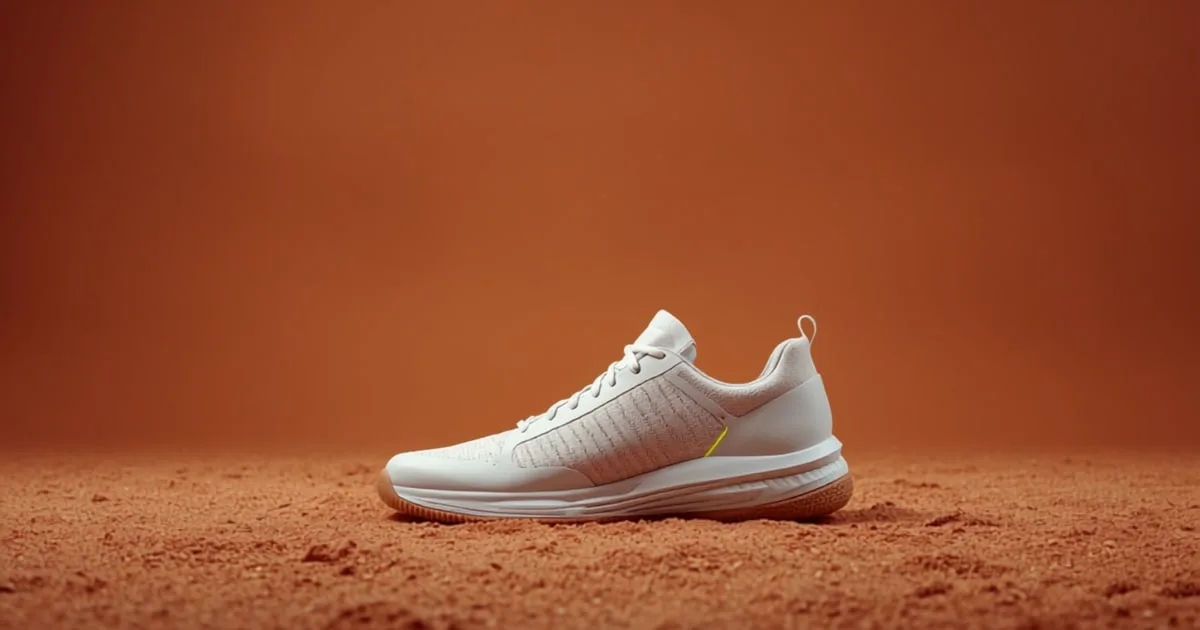
Head Sprint Pro 3.5
- Best for
- Most beginners on outdoor artificial grass
- Price
- typically $90–120
Babolat Jet Premura 2
- Best for
- Beginners who play mostly indoors
- Price
- typically $100–130
Joma Slam
- Best for
- Beginners who want more cushioning
- Price
- typically $80–110
Asics Gel-Dedicate
- Best for
- Budget-conscious beginners
- Price
- typically $60–80
Adidas Court Team Bounce 2.0
- Best for
- Heavier or taller beginners who want cushioning and stability
- Price
- typically $80–110
The short version: for most beginners playing on the usual sand-dressed artificial grass court, the Head Sprint Pro 3.5 is the easiest pick to trust — light, low, and grippy without breaking in. Play mostly indoors? The Babolat Jet Premura 2 is the more natural match. Watching your budget? The Asics Gel-Dedicate does the job for well under padel-shoe prices, as long as you match the sole to your surface.
This guide is for new padel players who've realized their trainers slide around like they're on ice and want to fix it without overthinking it. The single most important thing on this whole page isn't a brand — it's matching your outsole to your court. Get that right and almost any of these will serve you.
How we picked
We don't lab-test shoes at Rallyary — this is research-synthesis. We looked at manufacturer specs, expert and owner reviews, and the patterns players consistently report, then filtered for what actually matters to a beginner: the right court sole, lateral support, a forgiving fit, and a price that isn't silly for someone still learning to volley off the glass. You can read more about our approach on our how we research page, and browse the rest of our padel coverage while you're at it.
Every pick here is a genuine court shoe. None of them are running shoes, because — and we'll keep saying this — running shoes have no business on a padel court.
Why running shoes are a hard no
Padel is a lateral game. You're shuffling side to side, planting hard, and braking on a dime. Running shoes are built for the opposite: pushing you forward, with soft, tall heels that feel great jogging and betray you the instant you cut sideways. That raised, cushy heel is exactly what rolls an ankle.
Court shoes sit lower to the ground, have flatter and firmer soles, and reinforce the sides so your foot stays put when you change direction. Think of it like the difference between road tires and off-road tires — same idea, wrong terrain. This is the one corner you genuinely shouldn't cut.
Match the sole to your court first
Here's the non-obvious bit most guides skip. The "best" padel shoe depends less on the brand and more on the pattern moulded into the bottom.
Herringbone / clay sole
The classic zig-zag herringbone (and clay-style) tread grips sand-dressed artificial grass — by far the most common padel surface, indoors and out. It bites into the sand, then releases cleanly so you can slide and recover. If you don't know your surface, this is the safe default.
Omni sole
Omni soles use lots of small raised studs. They handle sand-dressed grass with a bit more aggressive bite, which some players love for hard braking. The trade-off: on a very dry, loose court they can feel slippier, not grippier.
Hard-court / all-court sole
Flatter tread, built for grippy indoor carpet and hard surfaces. Great if your club is a slick indoor court — overkill and a bit skiddy on sanded grass.
If you're a tennis player crossing over, this is where habits bite: your all-court tennis shoe might be perfect indoors and sketchy on artificial grass. We dug into exactly that in can you use tennis shoes for padel — worth a read before you assume your current shoes are fine.
Our top picks explained
Head Sprint Pro 3.5 — best all-rounder for beginners
Reviewers describe the Sprint Pro 3.5 as a "lightweight, speed-oriented" shoe with "a nice, low-to-the-ground ride," and that's exactly what a beginner wants: you feel the court, you change direction fast, and there's nothing bulky fighting your footwork. It fits true to size with a roomy toe box, so most people are comfortable straight out of the box. Head even backs it with a six-month outsole durability guarantee, which almost nobody else does.
The catch: that low, fast ride means less plush cushioning than a big-foam shoe. If your knees already complain, you might want more padding.
Check price· typically $90–120 (opens in new tab)Babolat Jet Premura 2 — best for indoor players
At around 310 g, the Jet Premura 2 is the lightest shoe here, and it's built for padel movement rather than borrowed from tennis. Babolat leans into breathability — two big side ventilation zones and a micro-perforated insole that soaks up sweat — which matters a lot in a warm indoor club. On grippy carpet it feels quick and connected.
The honest drawback: a fair few owners report durability that doesn't quite match the price, with soles wearing faster than expected. Read recent reviews before you commit, and rotate it if you play daily.
Check price· typically $100–130 (opens in new tab)Joma Slam — best for players who want cushioning
The Slam is a long-running padel favorite built around maximum cushioning and propulsion — it rewards an explosive, springy style, and it's kind to heels and knees. The newer Foot Shape version adds stability and a more natural fit, which helps if your feet run wide.
One thing to get right: Joma tends to run small, and most players recommend going up half a size, especially for wider feet. Order your usual size and the toe box will pinch.
Check price· typically $80–110 (opens in new tab)Asics Gel-Dedicate — best budget pick
The Gel-Dedicate is a tennis shoe, not a padel-specific one, but it's the value play. You get Asics Gel cushioning, TRUSSTIC midfoot support, and a rubber court outsole for well under padel-shoe money — support you'd normally pay a lot more for. It fits true to size with a reasonably wide toe box.
Two caveats. Because it's a tennis shoe, you need to make sure the outsole suits your court (all-court works indoors; on sanded grass it's less ideal). And owners consistently note the sole wears through in around six months of regular play — fine at this price, just plan for it.
Check price· typically $60–80 (opens in new tab)Adidas Court Team Bounce 2.0 — best for heavier or taller players
If you want to land softly, the Court Team Bounce 2.0 has a full-length Bounce midsole that reviewers call genuinely cushioned and comfortable. It's reinforced for sideways movement — with an abrasion-resistant TPU forefoot and a non-marking outsole — and the dual-layer mesh upper keeps it breathable. For a taller or heavier beginner who wants to feel supported, it's a comfortable ride.
The trade-off is weight. At around 400 g it's the heaviest shoe here, so it feels slower and less nimble than the featherweight Babolat. If speed is your priority, look elsewhere.
Check price· typically $80–110 (opens in new tab)Quick comparison
Head Sprint Pro 3.5
- Best for
- Most beginners, outdoor grass
- Weight
- ~365 g
- Vibe
- Light, low, fast
Babolat Jet Premura 2
- Best for
- Indoor players
- Weight
- ~310 g
- Vibe
- Featherweight, breathable
Joma Slam
- Best for
- Cushioning seekers
- Weight
- check the listing
- Vibe
- Springy, plush (runs small)
Asics Gel-Dedicate
- Best for
- Budget buyers
- Weight
- check the listing
- Vibe
- Solid value, tennis shoe
Adidas Court Team Bounce 2.0
- Best for
- Heavier/taller players
- Weight
- ~400 g
- Vibe
- Cushioned, stable, heavier
If you also play pickleball
Plenty of racquet-sport crossover players don't want to buy two pairs of court shoes. The good news is a lot of overlap exists between padel and pickleball footwear needs — both are lateral, stop-start games. We put together the shortlist in best shoes for both padel and pickleball if you're trying to cover both with one buy. And if you're still building your first padel kit, what to wear for padel covers the rest of the outfit beyond your feet.
Bottom line
For most beginners, the Head Sprint Pro 3.5 is the low-fuss pick: light, grippy on the surface you'll probably play on, and forgiving out of the box. Indoor regulars will feel more at home in the featherweight Babolat Jet Premura 2, and anyone watching the budget can lean on the Asics Gel-Dedicate without giving up support — just match that outsole to your court. Whatever you pick, remember the rule that matters more than any brand: right sole for your surface, and no running shoes.
The picks
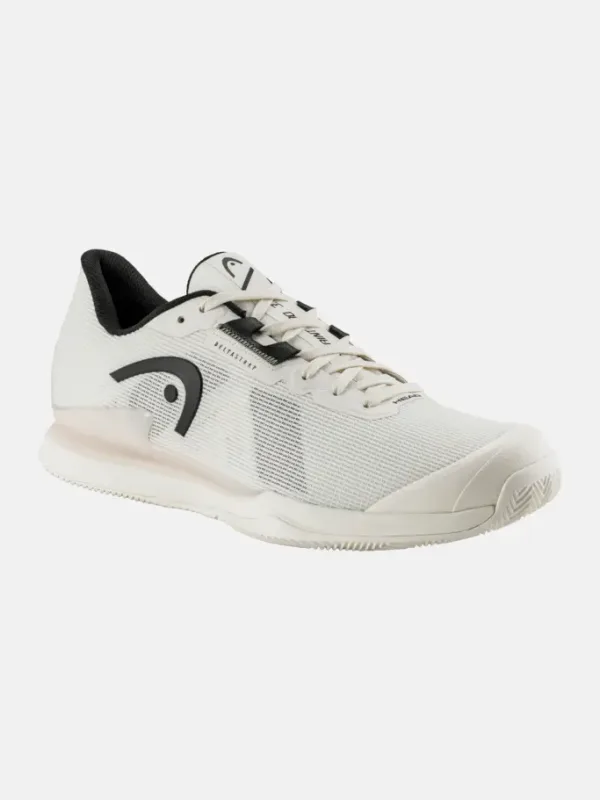
Head Sprint Pro 3.5
Best for: Most beginners on outdoor artificial grass
- Weight: ~365 g (12.9 oz men's)
- Sole: outdoor court, low profile
- Fit: true to size, roomy toe box
- Cushioning: low-to-the-ground, speed-oriented
Pros
- Light and low, so you feel the court and change direction quickly
- Roomy toe box suits a lot of foot shapes without break-in
- Six-month outsole durability guarantee is rare in this category
Cons
- Speed-focused low ride means less plush cushioning than a bulkier shoe
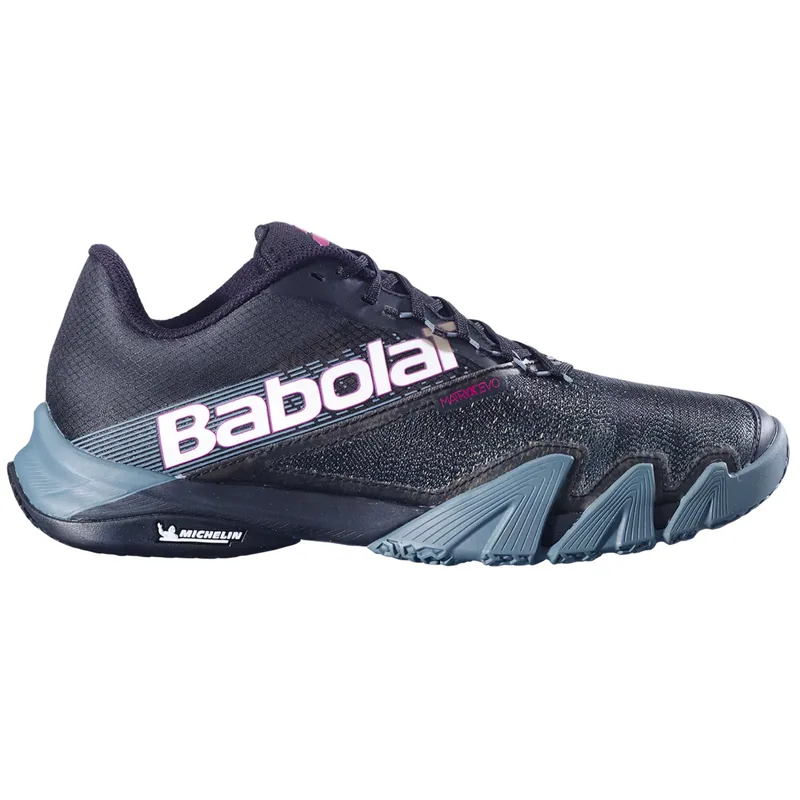
Babolat Jet Premura 2
Best for: Beginners who play mostly indoors
- Weight: ~310 g
- Sole: padel-specific, indoor-friendly
- Fit: standard, 10 mm drop
- Cushioning: good shock absorption
Pros
- One of the lightest shoes here — quick and nimble on grippy carpet
- Two side ventilation zones plus a micro-perforated insole for sweaty indoor sessions
- Built for padel movement, not a tennis shoe borrowed for the job
Cons
- Some owners report durability that doesn't match the price — check reviews before buying
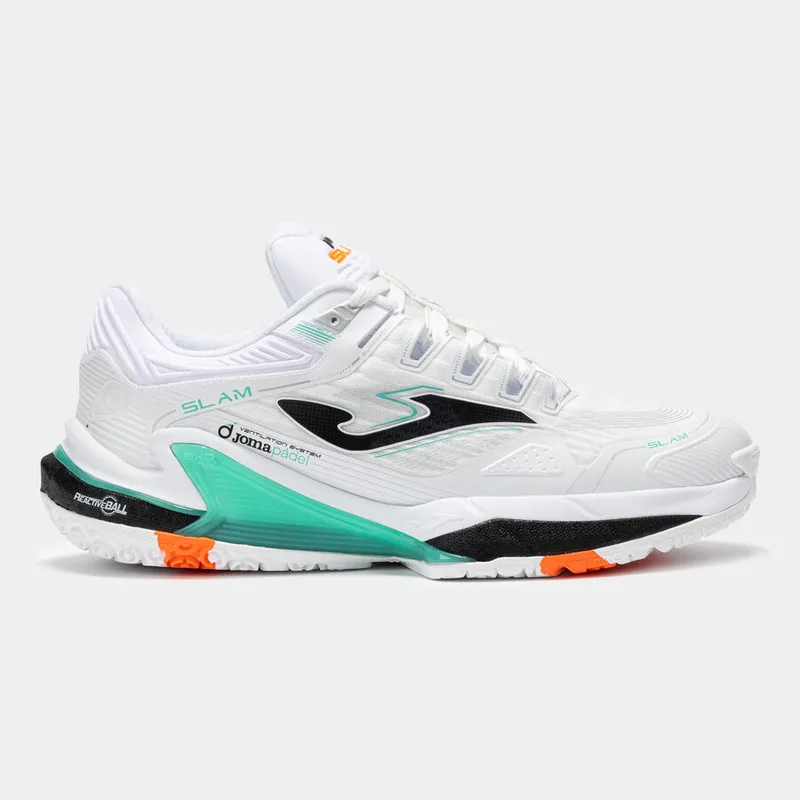
Joma Slam
Best for: Beginners who want more cushioning
- Weight: spec varies — check the listing
- Sole: padel outsole
- Fit: runs small — size up half a size
- Cushioning: maximum cushioning, propulsion-focused
Pros
- Plenty of cushioning for players who feel every point in their knees and heels
- A Foot Shape version adds stability and a more natural fit for wider feet
- Long-standing padel model with a following, so info and sizing help are easy to find
Cons
- Runs small — order up or the toe box will pinch
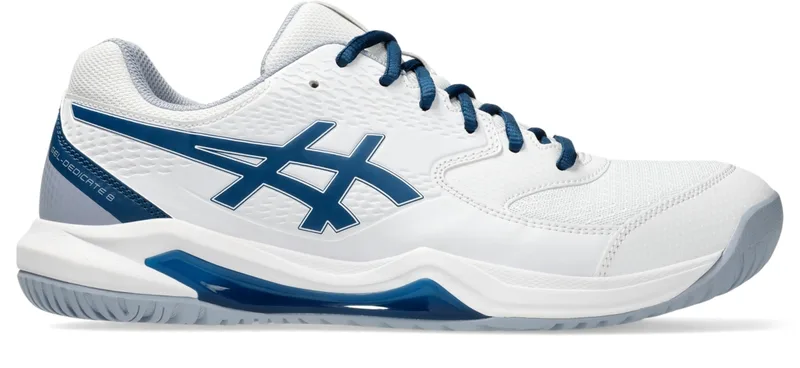
Asics Gel-Dedicate
Best for: Budget-conscious beginners
- Weight: spec varies — check the listing
- Sole: rubber, court outsole
- Fit: true to size, ~97 mm toebox
- Cushioning: Gel shock absorption, TRUSSTIC support
Pros
- The value pick — court-ready support for well under padel-shoe money
- Fits true to size with a reasonably wide toe box
- Asics Gel cushioning and TRUSSTIC midfoot support you'd normally pay more for
Cons
- It's a tennis shoe, so match the outsole to your court and expect to replace it sooner
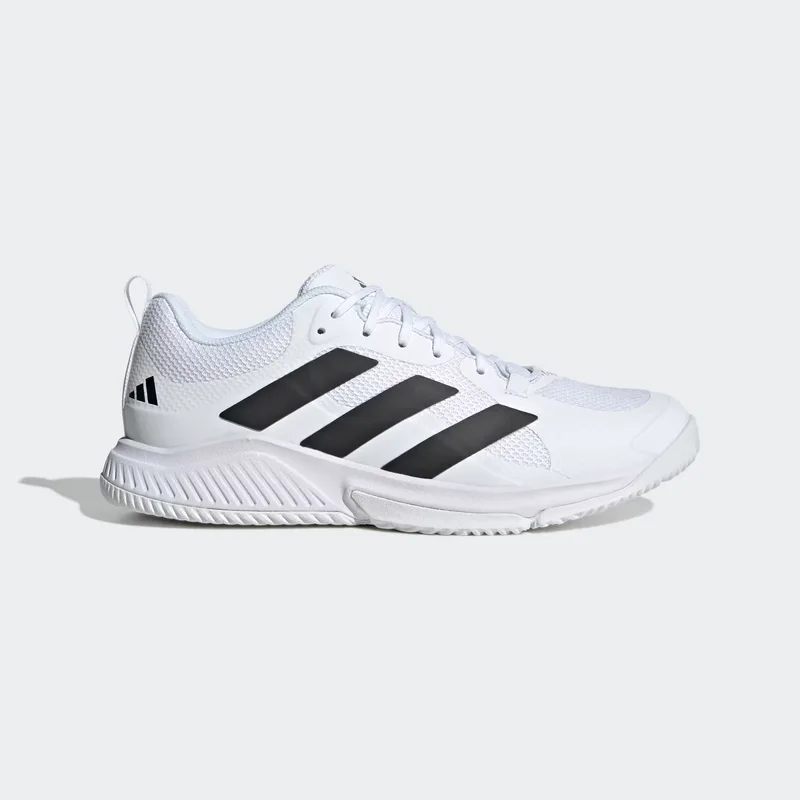
Adidas Court Team Bounce 2.0
Best for: Heavier or taller beginners who want cushioning and stability
- Weight: ~400 g
- Sole: non-marking, abrasion-resistant TPU forefoot
- Fit: regular fit, lace closure
- Cushioning: full-length Bounce midsole
Pros
- Full-length Bounce midsole feels cushioned and forgiving underfoot
- Reinforced for the sideways movement padel throws at you constantly
- Dual-layer mesh upper keeps things breathable
Cons
- At around 400 g it's the heaviest here, so it feels slower than the light picks
Frequently asked questions
Can I use running shoes for padel?
No — running shoes are built for forward motion and have soft, high heels that roll your ankle the second you push off sideways. Padel is all lateral movement and hard stops, so you want a flat, grippy court sole. This is the one shortcut you should never take.
What's the difference between padel shoes and tennis shoes?
They're close cousins. Both are built for lateral support and stopping, but padel shoes usually favor a lighter, lower ride and outsoles tuned for sand-dressed artificial grass or indoor carpet. A tennis shoe often works for beginners as long as its outsole suits your court surface.
Which sole do I need — herringbone, omni, or clay?
Match it to your court. A herringbone or clay-style sole grips sand-dressed artificial grass (the most common padel surface); an omni sole with small studs handles that same surface with a bit more bite; a flatter all-court sole suits hard indoor carpet. If you're unsure, herringbone is the safe default.
Do I really need padel-specific shoes as a beginner?
Not necessarily. A court shoe with the right outsole for your surface matters far more than the padel logo. A budget tennis or squash court shoe will keep you safe and moving while you figure out whether you're hooked.
How much should a beginner spend on padel shoes?
Around $60–120 covers everything you need. Below that you start losing the lateral support and grip that actually prevent rolled ankles. Above it you're mostly paying for pro-level cushioning and materials you won't feel yet.