Best Padel Racket for Tennis Players 2026: Crossover Picks
The best padel racket for tennis players is a round, control-first frame — not the heavy diamond you're eyeing. Here's what to buy and the mistakes to skip.
Published
Babolat Counter Veron
- Best for
- Tennis players wanting a familiar control feel
- Price
- around $180–230
Adidas Cross It Light
- Best for
- Lighter swing, tennis-elbow-prone players
- Price
- around $110–150
Head Speed Padel
- Best for
- Athletic tennis players ready to attack sooner
- Price
- around $150–200
Nox AT10 Genius 12K
- Best for
- Fast-improving crossover players chasing spin and power
- Price
- around $200–260
The best padel racket for a tennis player is almost never the one you're tempted to buy. Go round and control-first — the Babolat Counter Veron or the lighter Adidas Cross It Light — not the aggressive diamond that catches your eye in the shop. You already own the power and the full swing from tennis; what you're missing is padel touch, wall reads, and a forgiving sweet spot while you build them. This guide is for tennis players making the jump who want a racket that flatters the game they already have instead of exposing the game they don't yet.
Below: four solid picks across budget and ambition, the shape/weight specs that actually matter for a crossover player, and the two mistakes that trip up nearly every ex-tennis player in their first month.
How we picked
Rallyary doesn't run a lab — we synthesize manufacturer specs, the consensus from player forums and reviews, and each racket's reputation (the process is spelled out on our how we research page), then filter it through the one thing single-sport sites can't: the tennis-to-padel crossover angle. Every pick here was chosen for how it plays for someone whose muscle memory is still tennis-shaped.
We leaned on published specs (shape, weight, core, balance, face) and how those numbers tend to translate on court. If you want the deeper mechanics behind why padel and tennis reward different tools, the padel vs tennis differences breakdown is the companion read. For the shape rabbit hole, see our round vs teardrop vs diamond guide.
The two mistakes tennis players make
Before the picks, the honest stuff. These two errors cost more players their elbow — and their fun — than any wrong brand ever could.
Mistake one: buying a diamond racket first. Diamond frames are head-heavy, stiff, and built to punch. They look like the "serious" choice. But that head-heavy weight plus a tennis swing equals mishits, a tiny sweet spot, and a lot of frustration. Padel is a net-and-walls game of soft hands and quick reactions — a control-first round racket teaches you that faster.
Mistake two: swinging like you're on a tennis court. Your topspin forehand has a big loopy backswing. In padel that swing arrives late, clips the glass behind you, and sends easy volleys into the net. The racket can't fix your swing — but a lighter, lower-balanced frame gives you more margin while you shorten it. If you're already feeling twinges, our padel rackets for tennis elbow guide is worth a detour.
What to look for as a crossover player
Shape: start round
Round rackets put the sweet spot dead center and make it large. That's exactly what you want when your timing is still calibrated to a strung racket with a foot-wide string bed. Teardrop moves the sweet spot up and shrinks it slightly in exchange for more power — a fine second racket. Diamond is the specialist's tool; leave it for later.
Weight and balance
Aim for roughly 355–370 g with a low or medium balance. The number matters less than where the weight sits — a low balance keeps the racket head light and quick, which is gold at the net where tennis players are slowest to react. Head-heavy balance adds power you don't need yet and takes away the maneuverability you do.
Face and feel
A stiff carbon face gives a firmer, more connected contact — the closest thing padel offers to the responsive feel of tennis strings. If you loved a crisp string bed, you'll read a carbon face better than a soft, muted one. And if you're a spin player, a textured or "sandy" 3D face grabs the ball and lets you keep your slices and kicks alive.
Our top picks explained
Babolat Counter Veron — best all-round crossover pick
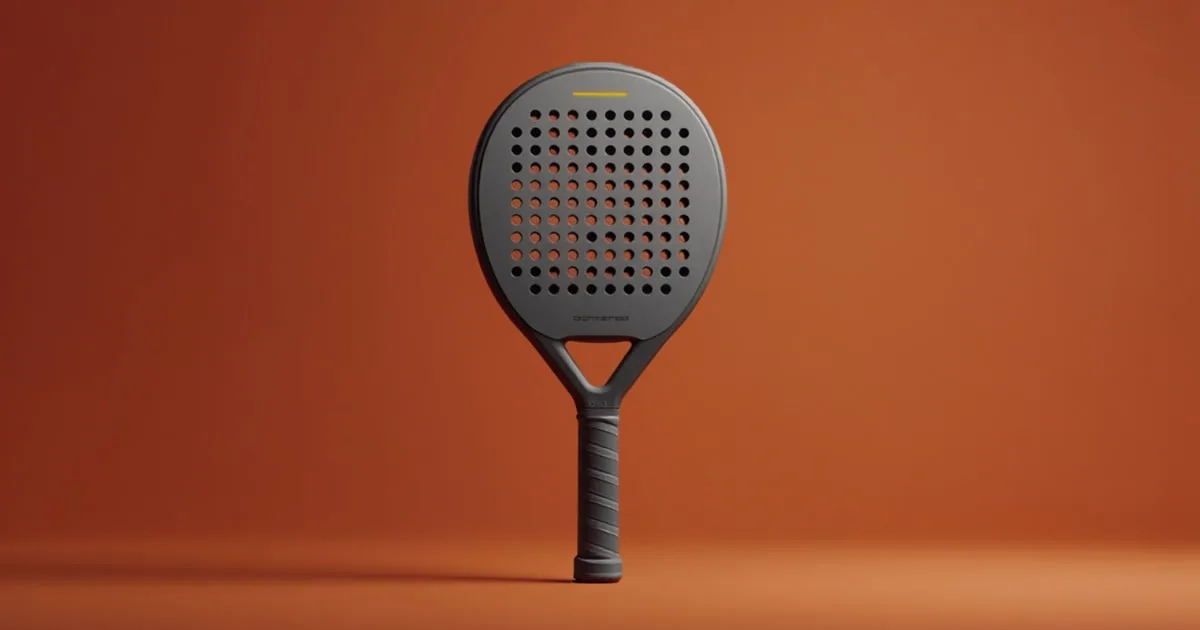
This is the racket I'd hand most tennis players first. It's round (365 g, medium balance) with a Carbon Flex face, so you get a big forgiving sweet spot and that firmer, string-like contact ex-tennis players tend to prefer. The medium balance keeps it lively at the net rather than clubby.
The honest catch: a few players describe it as feeling slow or slightly bulky in fast volley-to-volley exchanges. If you're a quick-hands player, that may nag — but for someone still learning to shorten a tennis swing, that steadiness is a feature, not a bug.
Check price· around $180–230 (opens in new tab)Adidas Cross It Light — best for lighter swings and tender elbows
If the Veron feels like a lot of racket, this is your answer. Round shape, 345–360 g, low balance, and a Soft Energy core that's gentler on the arm. That combination is about as forgiving and arm-friendly as padel gets, which makes it a smart pick if you've carried tennis elbow across from the singles court.
The trade-off is punch. A softer, lighter frame gives up some raw power on the smash, so if you're already a big hitter looking to bang overheads, you might feel like you're leaving pace on the table. For most learners, that's a fair swap for the comfort.
Check price· around $110–150 (opens in new tab)Head Speed Padel — best for athletic players ready to attack early
Some tennis players adapt fast and get bored of pure control quickly. This one's for you. It's a teardrop shape but light (~345 g) with a Power Foam core, so it stays maneuverable while giving a livelier pop that rewards a fuller swing. Think of it as the natural graduation from round.
Just know the trade: a teardrop's sweet spot sits higher and smaller than a round racket's, so off-center hits get punished more. Pick this only if your timing is already halfway decent — otherwise the Veron will make you look better.
Check price· around $150–200 (opens in new tab)Nox AT10 Genius 12K — best for fast improvers chasing spin
Agustin Tapia's weapon, and a genuinely brilliant racket — for the right player. Teardrop, 360–375 g, medium balance, HR3 Black EVA core, and a Dual Spin 12K carbon face that bites the ball. If you're a spin-heavy tennis player who lives on slices and kicks, this face will feel like a friend, and the controlled power on smashes is serious.
Here's the honest warning: this is a demanding, near-pro frame. Buy it as your first racket and the small sweet spot plus firm response will expose every timing error you bring over from tennis. It's a "year two" racket. Want it? Earn it first.
Check price· around $200–260 (opens in new tab)Quick comparison
Babolat Counter Veron
- Shape
- Round
- Weight
- 365 g
- Balance
- Medium
- Best for
- Familiar control feel
Adidas Cross It Light
- Shape
- Round
- Weight
- 345–360 g
- Balance
- Low
- Best for
- Lighter swings, tender elbows
Head Speed Padel
- Shape
- Teardrop
- Weight
- ~345 g
- Balance
- Check listing
- Best for
- Athletic early attackers
Nox AT10 Genius 12K
- Shape
- Teardrop
- Weight
- 360–375 g
- Balance
- Medium
- Best for
- Spin-hungry fast improvers
Bottom line
Fight the urge to buy the flashiest racket in the case. As a tennis player your instincts already hand you power and a big swing — the padel skills you're missing are touch, wall reads, and net reflexes, and a round, control-first racket builds all three faster. Start with the Counter Veron (or the lighter Cross It if your arm's fussy), get a season under your belt, then reach for teardrop. The diamond can wait. Your elbow will thank you.
The picks
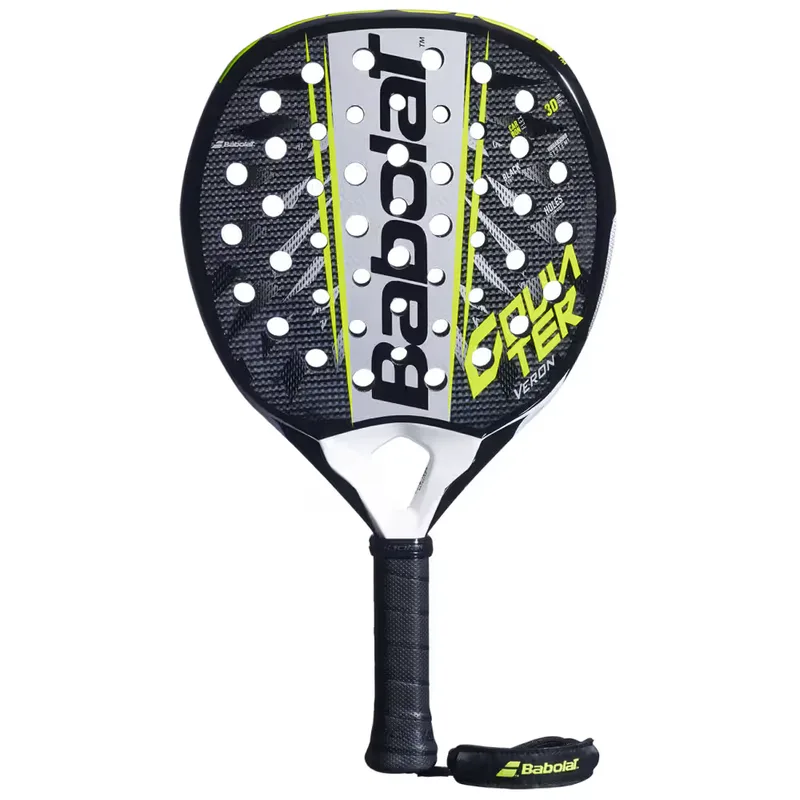
Babolat Counter Veron
Best for: Tennis players wanting a familiar control feel
- Weight: 365 g (±10)
- Shape: round
- Core: Black EVA
- Balance: medium
- Face: Carbon Flex
- Thickness: 38 mm
Pros
- Round shape means a big, central sweet spot — forgiving while your padel timing settles in
- Carbon Flex face gives a firmer, string-like feel that ex-tennis players read well
- Medium balance keeps it maneuverable at the net where tennis players struggle most
Cons
- Some players find it feels slow and a touch bulky on fast volley exchanges
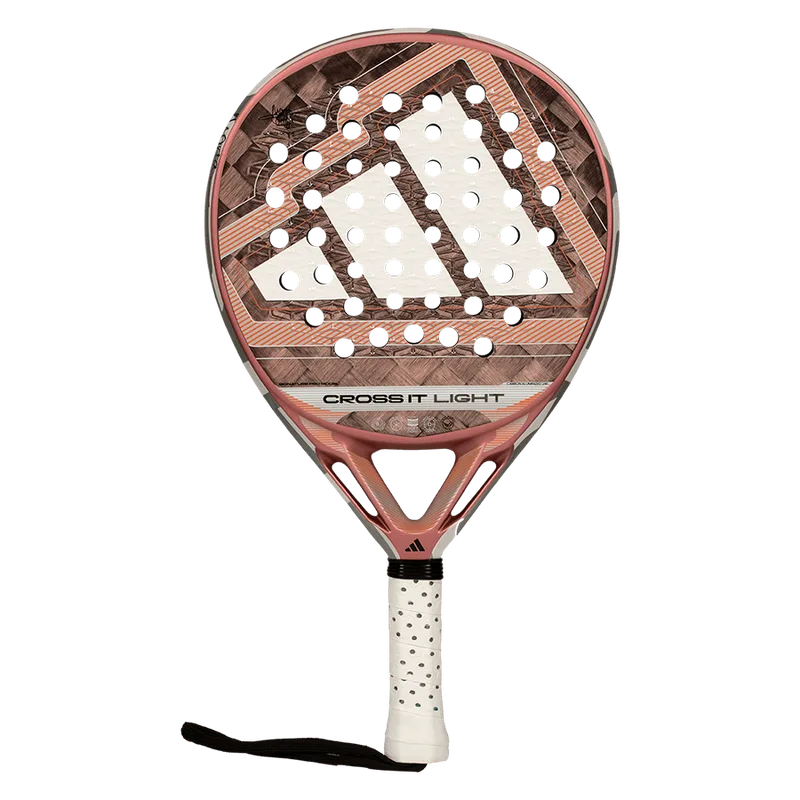
Adidas Cross It Light
Best for: Lighter swing, tennis-elbow-prone players
- Weight: 345–360 g
- Shape: round
- Core: Soft Energy
- Balance: low
- Face: Carbon Fiber
- Thickness: 38 mm
Pros
- Low balance and light weight make it easy to whip around — great for late-arriving net hands
- Soft Energy core is gentler on the arm, a real plus if you carry tennis elbow
- Round head is the most beginner-friendly shape you can pick
Cons
- Softer, lighter frame gives up some raw punch on smashes — power hitters may want more
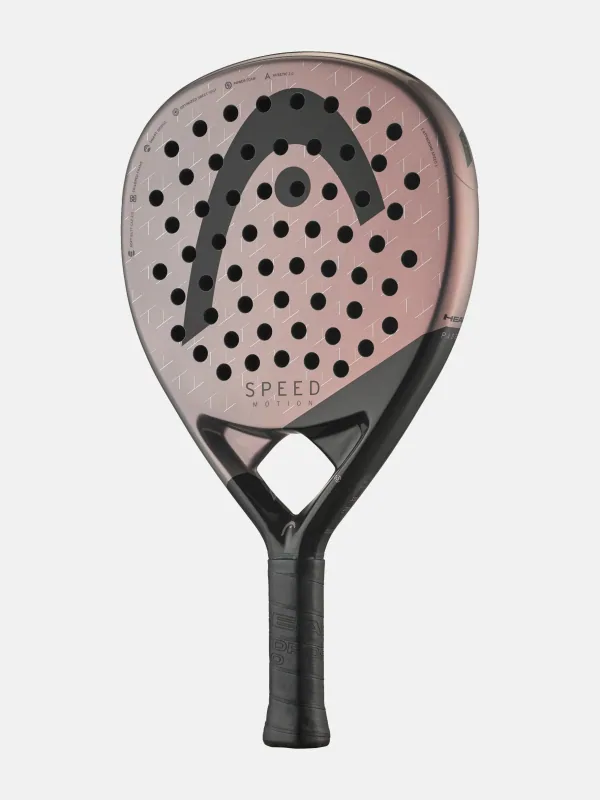
Head Speed Padel
Best for: Athletic tennis players ready to attack sooner
- Weight: ~345 g
- Shape: teardrop
- Core: Power Foam
- Balance: check the listing
- Face: check the listing
- Thickness: check the listing
Pros
- Teardrop shape is the natural next step once round starts feeling too tame
- Light for a teardrop, so it stays maneuverable at the net
- Power Foam core gives a lively pop that rewards a fuller, tennis-style swing
Cons
- Teardrop's sweet spot sits higher and smaller than round — less forgiving on off-center hits
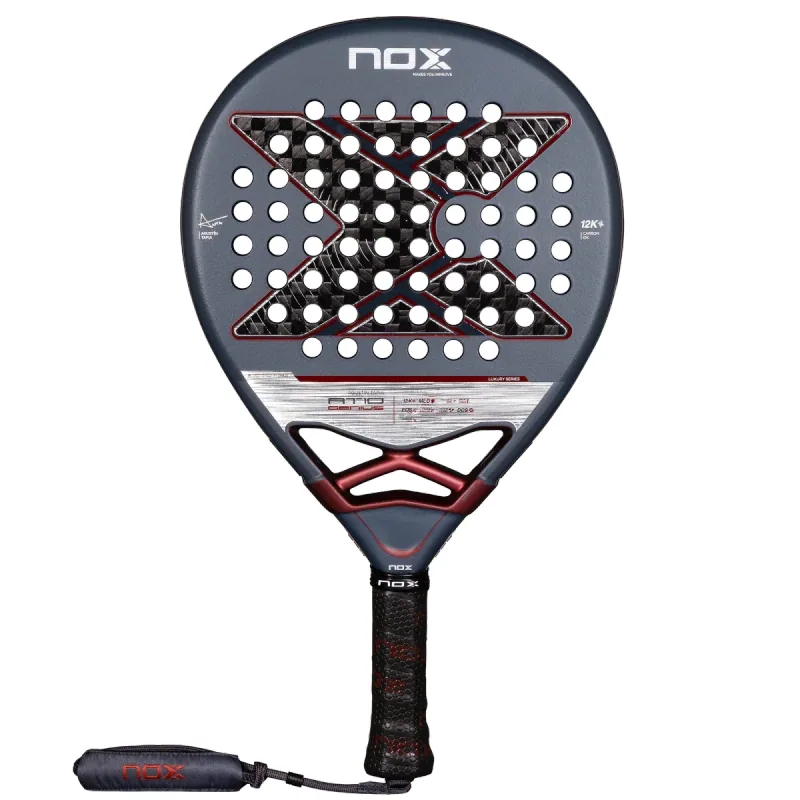
Nox AT10 Genius 12K
Best for: Fast-improving crossover players chasing spin and power
- Weight: 360–375 g
- Shape: teardrop
- Core: HR3 Black EVA
- Balance: medium
- Face: Carbon 12K Alum Xtrem (Dual Spin)
- Thickness: 38 mm
Pros
- Dual Spin textured face grabs the ball — spin-heavy tennis players feel right at home
- HR3 EVA core and 12K carbon deliver serious controlled power on smashes
- Medium balance keeps a heavier frame surprisingly usable
Cons
- It's a demanding pro-tier racket — buy it too early and the small sweet spot will punish you
Frequently asked questions
Can you use a tennis racket for padel?
No — padel has its own solid, stringless racket and tennis frames aren't legal or usable for the game. Padel rackets are shorter, have no strings, and are designed to bounce the ball off the surrounding glass walls. Your tennis racket stays in the tennis bag.
Should a tennis player buy a diamond or teardrop padel racket?
Neither, at first — start round. Diamond rackets are head-heavy and punishing, and tennis players who buy one straight away tend to overswing and hurt their arm. Move to teardrop after a season, and only reach for diamond once your padel technique is genuinely dialed in.
Is a padel racket heavier than a tennis racket?
It's lighter overall but feels different in the hand. Most padel rackets sit around 345–375 g versus 280–340 g for a strung tennis racket, but the weight is spread across a small solid head, so balance matters far more than the raw number.
What's the biggest mistake tennis players make with their first padel racket?
Buying a heavy diamond-shaped racket and swinging too big. Tennis players already bring power and a full backswing; a stiff diamond frame plus a huge swing is a fast track to mishits and elbow pain. A round, control-first racket fixes both problems.
Does a stiff carbon face really feel more like tennis strings?
Sort of — a firm carbon face gives a crisper, more connected feel at contact that ex-tennis players read more easily than a spongy foam face. It's not identical to a strung string bed, but it's the closest padel gets to that responsive pocketing sensation.