How to Play Padel: A Complete Beginner Guide
Padel basics explained for beginners — the court, the walls, serving, scoring, and the crossover tips tennis players need to start playing padel fast.
Published
Padel is doubles-only, played on a small enclosed court where the walls are part of the game, and you can start rallying on day one. You serve underhand, the ball can bounce off the glass walls behind you (like squash), and the scoring is exactly the same as tennis — 15, 30, 40, game. That combination is why it's the fastest-growing racquet sport in the US right now, popping up fast across Texas, Florida, and New Jersey.
Here's everything you actually need to walk onto a court and hold your own.
What padel is, in one minute
Padel is a racquet sport played 2-vs-2 on a court about a third the size of a tennis court, fully enclosed by glass and mesh walls. You hit a low-pressure ball (looks like a tennis ball, feels a touch softer) with a solid, stringless paddle full of holes.
The magic is the walls. After the ball bounces on your side of the court, it can rebound off the back or side glass — and you're allowed to play it off that rebound. This turns "I can't reach it" moments into "wait, I still have a shot." It's the single biggest thing that separates padel from tennis and pickleball.
If you want the full origin story and why it's blowing up, we go deeper in what is padel. For now, let's get you playing.
The court and the walls
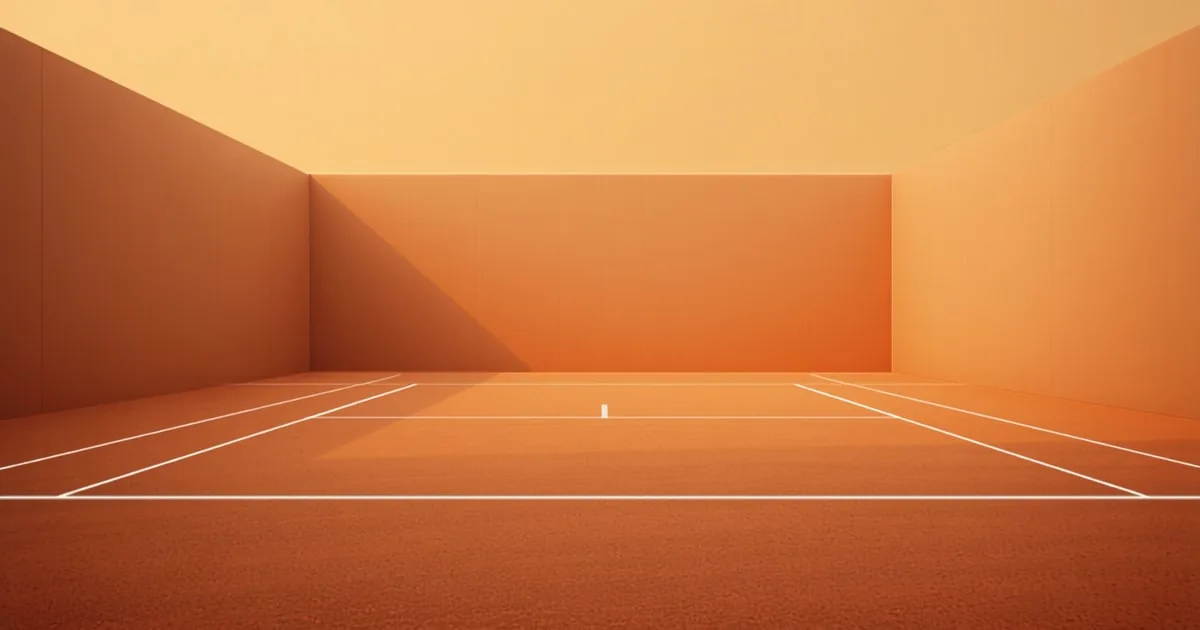
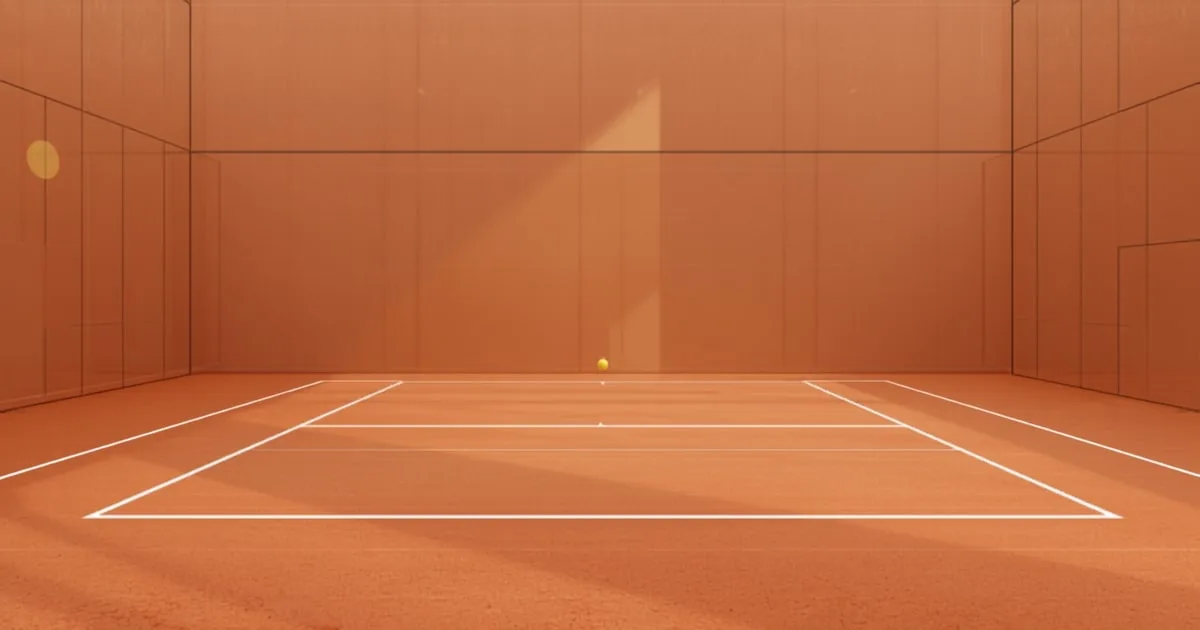
A padel court is 20 meters long and 10 meters wide, split by a net in the middle. Around the whole thing: glass at the back and part of the sides, metal mesh above and beyond that.
A few things that matter from your very first point:
- The walls are in play — but only after a bounce. If the ball bounces on the floor in your half and then hits your back wall, you can let it come off the glass and hit it back. What you can't do is let it hit the wall before it bounces on the floor.
- You can't use the walls on the return. Your shot must clear the net and land in the opponent's court on the fly. It can't hit their glass before bouncing on their floor, or you lose the point.
- There are gaps. Most courts have openings at the sides where a wild ball can escape. A ball hit out through the gap can be legally returned from outside the court by skilled players — but as a beginner, don't worry about that yet.
The plain-English version: hit the ball over the net onto their floor. On your side, treat the back glass as a friend that gives you a second chance.
How to hold the paddle and stand
Grip the padel racket like you're shaking hands with it — the same "continental" grip tennis and pickleball players use for volleys. This one grip handles almost every shot in padel, which is a relief if you're coming from tennis and used to switching grips constantly.
Stand ready with the paddle up in front of you, knees soft, weight on the balls of your feet. Padel is a game of quick, short movements and lots of side-to-side shuffling, not long sprints. If you played tennis, expect to move less but react faster.
Serving in padel (the easy part)
The serve is where tennis players breathe a huge sigh of relief. There's no big overhead motion.
Here's how it works:
- Stand behind the service line, in the right-hand service box for the first point.
- Bounce the ball once on the ground behind the line.
- Hit it underhand — contact must be at or below waist height.
- It has to land diagonally, in the opponent's service box.
Because the serve is underhand and low, aces are rare and rallies start easily. That's a feature, not a bug — padel is built around the rally, not around blasting a serve past someone. One quirk: on the serve, if the ball lands in the correct box and then hits the side glass, it's still good and in play. Only a serve that hits the mesh fencing before the second bounce is a fault.
Scoring, quick version
Padel scoring is tennis scoring, full stop:
- Points count 15, 30, 40, game.
- 40–40 is deuce; you need to win two points in a row from there (many clubs use "golden point" — sudden death at deuce — to keep games fast).
- Win six games to take a set, win by two.
- Matches are usually best of three sets.
That's the short answer. The details — golden point, tiebreaks, who serves when, and the little edge cases — live in our full padel rules and scoring guide. Bookmark that one; it answers the "wait, is that legal?" questions that come up in real games.
The shots you'll actually use
You don't need a fancy repertoire to start. Four shots carry beginners a long way:
The groundstroke. Your basic forehand and backhand, hit after the ball bounces. Keep it simple and controlled — padel rewards placement over power because the court is small.
The volley. Hitting the ball out of the air before it bounces. In padel, the team that controls the net usually wins the point, so getting comfortable at the net matters more than it does in singles tennis.
The wall shot (bandeja / off the glass). When a ball sails past you toward the back glass, don't lunge — let it bounce, come off the wall, and hit it as it comes back to you. This feels bizarre for the first ten minutes and then becomes the best part of the game.
The lob. A soft high ball over your opponents at the net, pushing them back off the net so you can take control. Padel is a chess match of lobs and net position way more than a slugfest.
Where tennis players go wrong (the crossover angle)
If you're coming from tennis, padel will feel familiar for about five minutes — then trip you up in specific, predictable ways. The non-obvious stuff most guides skip:
- You'll swing too hard. Full tennis swings send the ball crashing into the back glass or sailing long. Padel wants short, compact strokes. Dial the power back by half and you'll instantly play better.
- You'll turn your back on the glass. Tennis instinct says chase the ball and hit it before it gets behind you. In padel, learn to let it go past you and play it off the wall. Fighting that instinct is the whole learning curve.
- You'll underuse the lob. Tennis players want to hit winners through people. Padel rewards patience — a good lob that pushes opponents off the net is often worth more than a hard drive.
Pickleball players have the opposite problem: they're already comfortable with soft, controlled play, but the walls and the bigger court take adjustment.
What gear you need to start
Two things: shoes and a paddle. Wear proper court shoes with lateral grip — running shoes let you roll an ankle on the side-to-side movement. For the paddle, don't overthink your first one.
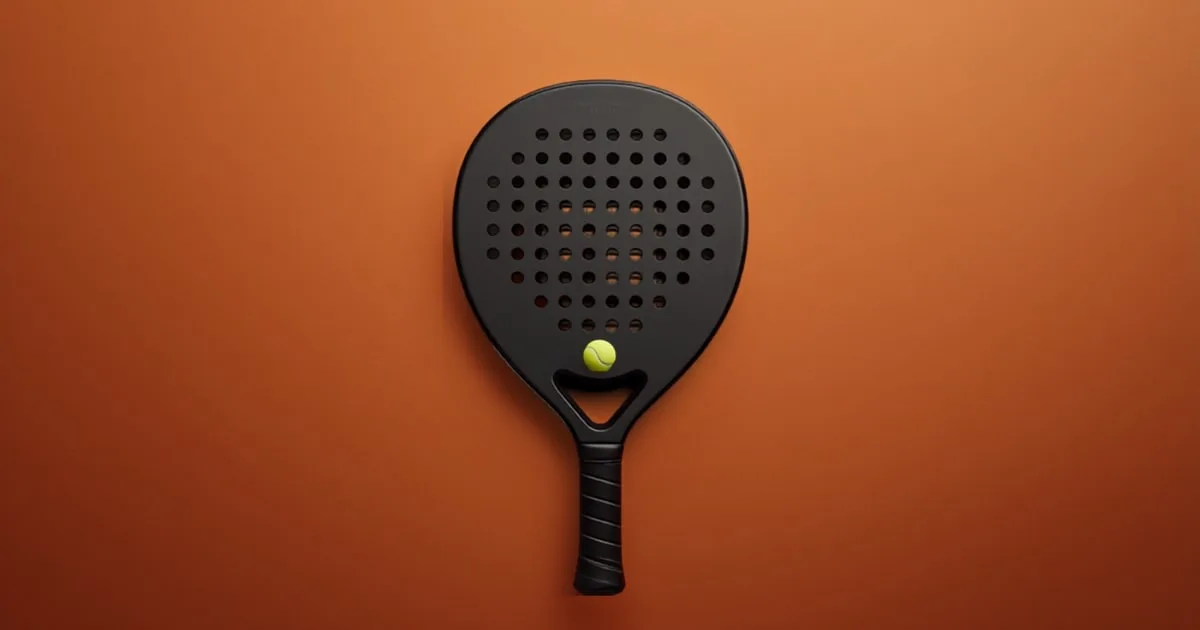
Beginners want a round-shaped padel racket with a soft core and a low balance point — that combination gives you the biggest sweet spot and the most forgiveness, so mishits still go where you want. Save the powerful, diamond-shaped rackets for later. We break down solid, forgiving options in our guide to the best padel racket for beginners.
You don't need padel-specific clothes to start — anything athletic and breathable works fine for your first sessions.
Your first session, step by step
- Find a court and a partner (or join an open-play/Americano session at a club — they'll pair you up).
- Warm up by rallying gently, cross-court, no walls yet.
- Practice letting a few balls hit the back glass and playing them off the bounce.
- Play a practice game to 4 or 5 with underhand serves and normal tennis scoring.
- Focus on one thing only: getting the ball back over the net. Everything else comes later.
You'll be having genuine, competitive rallies before your hour is up. That instant-fun factor is exactly why padel spreads so fast once it lands in a town.
Next steps
Once the basics click, tighten up your knowledge of the full rules and scoring so you're not guessing mid-game, and read up on what padel is if you want the bigger picture on why the sport exists and where it's headed. When you're ready to stop borrowing club paddles, our beginner racket guide will point you to a forgiving first stick that won't hold you back.
The best way to learn padel is to book a court and swing. See you out there.
Frequently asked questions
Is padel easy to learn for beginners?
Yes — most people can rally on their first day. The court is small, the walls keep the ball in play, and the underhand serve is far easier than a tennis serve. You'll play real points within an hour, though mastering the walls takes longer.
Do I need a partner to play padel?
Almost always, yes. Padel is played 2-vs-2 (doubles) on nearly every court. Singles padel exists but courts for it are rare. If you don't have three friends, most clubs run 'open play' or 'Americano' sessions that pair you up.
Can I use a tennis racket to play padel?
No. Padel uses a solid, stringless paddle with holes — it's a completely different piece of gear. A tennis racket won't fit the game and isn't allowed. Beginners should grab an inexpensive, forgiving padel racket to start.
How is padel scored?
Padel uses the same scoring as tennis: points go 15, 30, 40, game, and you win a set by reaching six games (win by two). The only quirks are around serving and the walls, not the numbers themselves.
What should I wear to play padel?
Athletic clothes you'd wear for tennis or the gym work fine — breathable shirt, shorts or a skirt, and proper court shoes with good lateral grip. Running shoes aren't ideal because of all the side-to-side movement.