What Is Padel? The Racquet Sport Explained for Beginners
Padel is a doubles racquet sport played on an enclosed court where walls are part of the game. What it is, how to say it, and why it's exploding in the US.
Published
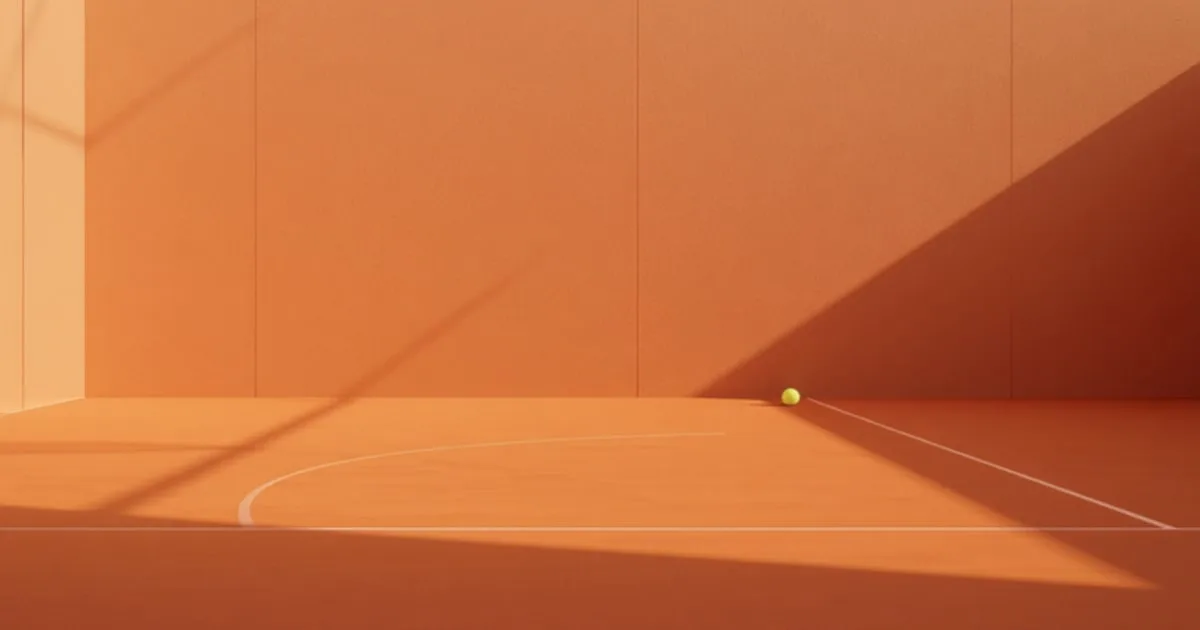
Padel is a doubles racquet sport played on an enclosed court about a third the size of a tennis court, where the glass walls around you are part of the game — you can let the ball bounce off them and play it back, squash-style. You use a short, solid, stringless racket and a ball that looks like a tennis ball but is slightly softer. If you can rally on day one and have a blast doing it, that's the point: padel is built to be easy to start and hard to put down.
Say it "PAH-del" (rhymes with saddle), not "paddle." More on that below, because everyone gets it wrong at first.
Padel in one paragraph
Two teams of two face off across a net on a walled court roughly 20 by 10 meters. The scoring is identical to tennis — 15, 30, 40, games, sets — so if you've watched a tennis match, you already know the numbers. The serve goes underhand and must bounce first, which instantly removes the biggest barrier tennis puts in front of beginners. And those glass back and side walls? They keep the ball in play. A shot that would be a winner in tennis just ricochets off the glass and comes back to you. Rallies go long. That's most of the fun.
Where padel came from
Padel started in 1969 in Acapulco, Mexico. Enrique Corcuera wanted a tennis-style court at his home but didn't have room for a full one, so he walled off a smaller space and adapted the rules to use those walls. A Spanish friend, Alfonso de Hohenlohe, saw it, loved it, and built courts back in Marbella. From Spain it spread to Argentina, then across Latin America and Europe.
For decades padel was mostly a Spanish and Argentine obsession. Now it's one of the fastest-growing sports in the world, with a serious surge in the US as clubs open in cities that had zero courts a few years ago. That "padel near me" search you probably ran? A lot more results this year than last.
How to pronounce padel
It's PAH-del — soft 'a', stress on the first syllable, rhymes with "saddle." Not "PADDLE" (that's pickleball's implement) and not the drawn-out "puh-DELL" you sometimes hear.
The word comes from Spanish, so lean into that. Two quick tips:
- The "a" is short and open, like the 'a' in "father" but clipped.
- Don't add weight to the second syllable — it's light, almost swallowed.
You'll hear all three versions at any US club right now because everyone's new to it. Nobody will judge you. But now you know the clean version.
What makes padel different from tennis
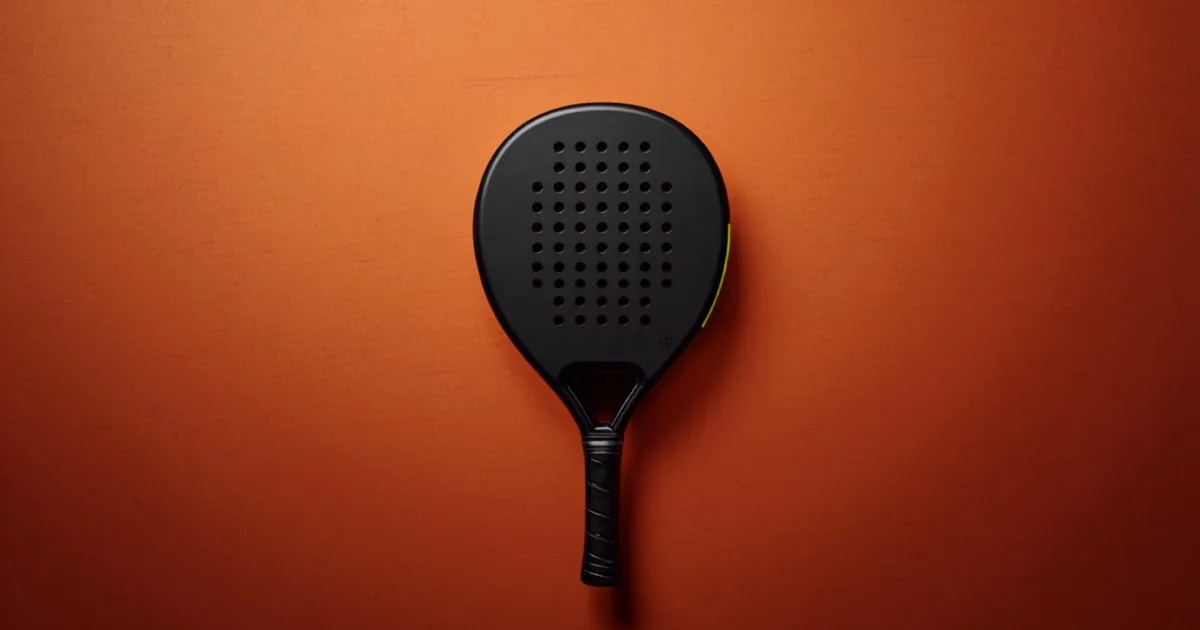
The gear is the first shock for tennis players. A padel racket has no strings — it's a solid, perforated frame with a foam core, and it's short, so there's no long lever to generate racket-head speed the way you're used to. That trips up a lot of crossover players at first. You can't just wind up and swing.
A few more differences that matter:
- The walls are legal. After the ball bounces on your side, you can let it hit the glass and play it off the rebound. Learning to read those bounces is the whole skill curve.
- The serve is underhand. You bounce the ball and hit it below waist height. No 120 mph bombs, no double-fault spirals.
- It's always doubles. Singles padel exists but it's rare — the court is designed for four.
- Net play rules. Because rallies reset off the walls, the team that controls the net usually controls the point. Positioning beats power.
If you're coming from tennis, the honest heads-up: your groundstrokes are too big at first. Padel rewards touch, angles, and patience over raw pace. The good news is your hand-eye coordination and court sense transfer beautifully. Most tennis players are dangerous within a few sessions once they shorten their swing.
Want the full walkthrough of rules and positioning? Start with how to play padel.
Is padel the same as pickleball?
No — and this is the question everyone asks, so let's be clear. Both are easy-entry racquet sports with a social, doubles-heavy culture, and both are booming in the US at the same time. That's where the similarity ends.
- Court: Padel is enclosed with glass and mesh walls you play off. Pickleball is an open, flat court with no walls, closer to a small tennis or badminton court.
- Implement: Padel uses a solid, stringless racket with a handle and a foam core. Pickleball uses a flat paddle.
- Ball: Padel uses a low-pressure tennis-style ball. Pickleball uses a perforated plastic ball that flies slower.
- Feel: Padel rallies use the walls and reward spin and angles; pickleball emphasizes soft "dinks" at the net and quick reflexes.
If you're weighing which one to try first — or which suits a tennis background better — we break it down in padel vs pickleball.
Why padel hooks people
Here's the non-obvious part most intros skip: padel isn't popular just because it's easy. Plenty of sports are easy and nobody comes back. Padel is sticky because it's easy and the rallies are genuinely fun from the first hour. The walls keep the ball alive, so beginners actually rally instead of chasing balls into the fence. You feel like you can play, immediately.
That translates into loyalty. A figure that gets quoted a lot across the industry puts padel's return rate around 92% — meaning most people who try it come back. Treat the exact number as an industry claim rather than gospel, but the pattern is real: clubs report that trial sessions convert into regulars at a rate other sports envy.
The doubles format helps too. You're never alone on court. It's a night out with three friends that happens to involve exercise.
What you need to start
Not much. Most clubs rent rackets and supply balls, so your first session costs the court fee and nothing else. When you're ready to buy your own gear:
- A racket suited to beginners — forgiving, larger sweet spot, not too heavy. Don't overspend on a pro-level frame you'll fight against. Our picks for the best padel racket for beginners walk through what to look for, and if money is tight the best padel racket under 100 keeps it affordable.
- Non-marking court shoes. Padel involves quick lateral steps and stops. Tennis or dedicated padel shoes work; running shoes don't grip right.
- Comfortable athletic clothes. No dress code at most clubs.
Skip the fancy bag, the vibration dampeners, the premium balls — none of that matters until you know you're in.
Next steps
You've got the what, the why, and how to say it. The natural next move is learning the actual rules and scoring flow so your first game isn't a scramble — how to play padel covers that end to end. If you're still deciding between the two hot new racquet sports, padel vs pickleball will settle it. And when you're ready to stop renting, we'll help you pick a first racket that won't fight you.
Find a court near you, grab a rental racket, and get one session in. That's usually all it takes.
Frequently asked questions
How do you pronounce padel?
It's 'PAH-del' (rhymes with 'saddle'), not 'paddle' and not 'puh-DELL'. The stress lands on the first syllable, and the 'a' is soft — think of it as a Spanish word, because that's where it grew up.
Is padel the same as pickleball?
No. Padel is a doubles sport played on a fully enclosed court with glass walls you can play off, using a stringless solid racket and a low-pressure tennis-style ball. Pickleball is smaller, played on an open court with a perforated plastic ball and a flat paddle.
Is padel easier than tennis?
For most beginners, yes. The court is smaller, the racket is shorter and lighter, and you always play doubles, so there's less ground to cover. Rallies start faster and last longer, which makes it fun on day one.
Do you need special gear to start playing padel?
Just a padel racket and non-marking court shoes to begin — most clubs rent or sell rackets, and they supply the balls. You do not use a tennis racket; the frames are shaped completely differently.
Why is padel suddenly so popular?
It's easy to pick up, intensely social, and clubs are opening fast across the US after years of growth in Spain, Sweden, and the Middle East. A widely cited industry figure puts padel's player return rate around 92%, meaning people who try it tend to come back.