Best Tennis Racket for Women 2026: Picks by Level, Not Color
The best tennis racket for women isn't about pink or featherweight — it's about your level, swing, and grip. Honest picks for beginners to improvers.
Published
Yonex EZONE 100L
- Best for
- Improvers who want light and forgiving
- Price
- typically $200–240
Babolat Pure Drive Lite
- Best for
- Beginners who want easy, free power
- Price
- typically $180–220
Wilson Clash 100 v2
- Best for
- Players who want comfort and control
- Price
- typically $220–250
Head Boom Team
- Best for
- New players wanting a slightly bigger, forgiving face
- Price
- typically $150–190
Wilson Ultra 100L v4
- Best for
- All-court players who value maneuverability
- Price
- typically $170–210
Let's kill the myth first: the "best tennis racket for women" is not a pink, feather-light frame with a flower on the throat. It's whichever racket matches your level, swing speed, and grip size. For most women moving past the beginner stage, the Yonex EZONE 100L hits the sweet spot: light, forgiving, and arm-friendly. Brand new and want the ball to launch for you? The Babolat Pure Drive Lite. Arm-sensitive and craving plush comfort? The Wilson Clash 100 v2. Color doesn't play tennis. You do.
The rest of this guide sorts real, currently-sold rackets by the things that actually change how a racket plays for you (weight, sweet spot, stiffness, and grip), with a real drawback for each so you're not just reading a sales sheet.
How we picked
Rallyary doesn't run a lab. What we do is synthesize manufacturer specs, long-running player consensus, and the reputation each frame has earned in club and rec circles, then translate that into plain-language recommendations. Every spec below comes from the official listings; where a number was fuzzy, we've flagged it rather than guessed.
We picked across levels and swing styles on purpose: a couple of easy-power frames for beginners, a forgiving all-rounder for improvers, and a comfort-first pick for arm sensitivity. If you're curious how we approach this in general, here's how we research. And if you play a one-handed backhand or you're shopping for rackets that suit older players, those guides go deeper into needs this one only touches.
Forget "women's racket": what actually matters
Three things decide whether a racket fits you. None of them is gender.
Weight
Lighter rackets (270–285 g) are easier to swing, quicker to the ball, and less tiring over a long match, which is why they get marketed as "women's" or "beginner" frames. But light also means less mass to absorb pace, so heavy incoming balls can push the racket around. Heavier frames (290–300 g+) feel more planted and stable, at the cost of demanding more from your arm and shoulder. Think of weight like a car: light is nimble and easy to park, heavy is stable at speed.
If you're unsure, start lighter. You can add lead tape later. You can't un-strain your elbow.
Sweet spot and stiffness
A bigger head (100–102 in²) gives you a larger sweet spot: the zone where the ball rockets off cleanly even if you catch it slightly off-center. Great for beginners whose contact point is still a work in progress.
Stiffness (that "RA" number) is the quiet one most guides skip. A stiffer frame gives more power but transmits more shock to your arm. A flexible frame (like the Clash at 57 RA) cushions impact and is gentler on the elbow, even though it's on the heavier side. And counterintuitively, a very light, very stiff racket can beat up your arm more than a heavier flexible one. Weight isn't the villain people assume it is; stiffness plus poor technique usually is.
Grip size
Too big and your forearm works overtime; too small and you'll squeeze too hard. Most women land at a 4 1/8 or 4 1/4, but measure your hand rather than defaulting. Between sizes? Go smaller and build up with an overgrip.
Our top picks explained
Yonex EZONE 100L: best all-around for improvers
This is the one I'd hand most club-level women who've outgrown their starter racket. At 285 g unstrung (around 301 g strung) it's light enough to swing confidently for three sets, but it still feels like a real racket, not a toy. The 100 in² face gives you a generous sweet spot, and the EZONE line is known for a muted, comfortable ball feel that's easy on the arm.
It won't do the work for you, though. With a modest swingweight, you supply the power. If you want the ball catapulted off the strings, look at the Pure Drive instead.
Check price· typically $200–240 (opens in new tab)Babolat Pure Drive Lite: easiest free power for beginners
If you're new and your swing is still short and tentative, this frame is a confidence machine. At just 270 g it's featherweight to maneuver, and the Pure Drive DNA means it pops the ball for you: short swings still land deep. It's one of the most reliably beginner-friendly power rackets out there, and the reputation is earned.
The catch is comfort. It's a stiff, lively frame, and that liveliness can feel harsh if you have any arm sensitivity. If your elbow or shoulder ever grumbles, this isn't your racket; skip to the Clash.
Check price· typically $180–220 (opens in new tab)Wilson Clash 100 v2: best for comfort and arm-friendliness
The Clash is the plush pick. Its standout number is stiffness: 57 RA, which is remarkably flexible for a modern frame. Translation: it bends on impact and soaks up shock, so it's kind to elbows and wrists while still giving you a controlled, connected feel. Players who've had arm trouble tend to love this line.
At 295 g it's the heaviest here, so it asks a little more strength to swing through a full match. It's not the pick if you want maximum easy power; it rewards a fuller, more committed swing. But for comfort, it's hard to beat.
Check price· typically $220–250 (opens in new tab)Head Boom Team: most forgiving budget option
The Boom Team leans forgiving. Its 102 in² head is slightly oversized, which nudges the sweet spot bigger, handy when your contact isn't dialed in yet. At 275 g it's easy to move around, and it's usually the friendliest on price of this group, which matters if you're not sure how deep you'll get into the sport.
All that forgiveness costs you some precision. As you improve and start aiming for corners, the extra head size can feel a touch imprecise. It's a great starter, less so a forever racket.
Check price· typically $150–190 (opens in new tab)Wilson Ultra 100L v4: best for maneuverability and net play
The Ultra 100L is quick. At 280 g with a 32 cm balance, it whips through the air, which makes it a natural for spin and for players who like to close in and volley. If you play an all-court style and value racket-head speed over raw stability, this is a fun, easy-swinging frame.
The one thing to weigh: at 64 RA it's stiffer than the Clash, so it doesn't absorb shock the same way. If your arm is happy, no problem. If it's fussy, the Clash is the safer call.
Check price· typically $170–210 (opens in new tab)Quick comparison
Yonex EZONE 100L
- Weight (unstrung)
- 285 g
- Head size
- 100 in²
- Best for
- Improvers, all-around
- Watch out for
- You supply the power
Babolat Pure Drive Lite
- Weight (unstrung)
- 270 g
- Head size
- 100 in²
- Best for
- Beginners, easy power
- Watch out for
- Stiff, can feel harsh
Wilson Clash 100 v2
- Weight (unstrung)
- 295 g
- Head size
- 100 in²
- Best for
- Comfort, arm-friendly
- Watch out for
- Heaviest of the group
Head Boom Team
- Weight (unstrung)
- 275 g
- Head size
- 102 in²
- Best for
- Forgiving budget starter
- Watch out for
- Less precise
Wilson Ultra 100L v4
- Weight (unstrung)
- 280 g
- Head size
- 100 in²
- Best for
- Maneuverable, net play
- Watch out for
- Firmer 64 RA
Bottom line
Match the racket to your body and your game, not to a color-coded shelf. If you want one safe answer for a woman who's past total-beginner stage, the Yonex EZONE 100L is the versatile, comfortable, holds-up-all-match choice. Newer players who want the ball to launch should grab the Babolat Pure Drive Lite, and anyone protecting a sensitive arm should reach for the Wilson Clash 100 v2. Whatever you pick, get the grip size right and demo if you possibly can — the racket that feels good in your hand beats any spec sheet.
The picks
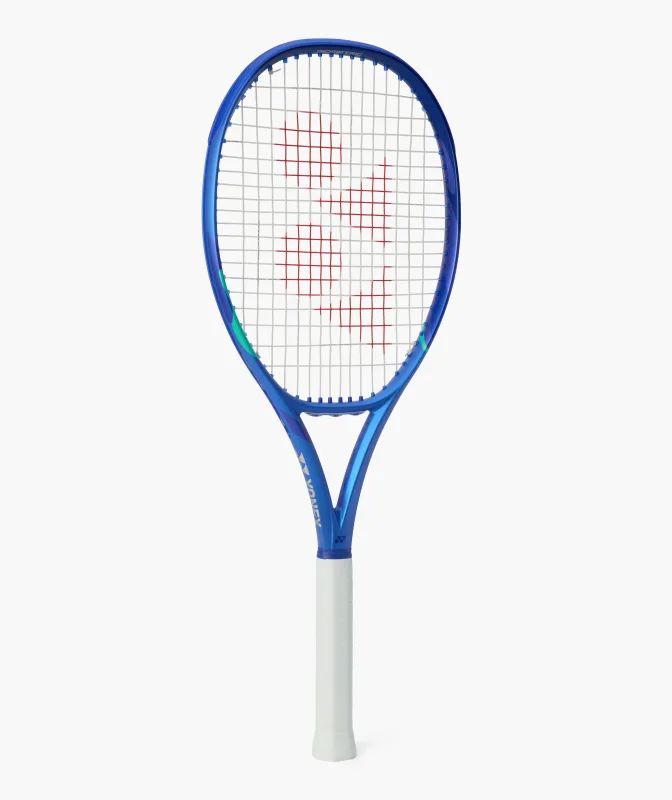
Yonex EZONE 100L
Best for: Improvers who want light and forgiving
- Weight: 285 g unstrung / ~301 g strung
- Head Size: 100 in²
- String Pattern: 16x19
- Balance: 3 pts head-light
- Stiffness: check the listing
- Swingweight: 310
Pros
- Light enough to hold up over three sets
- Big sweet spot on the 100 in² face — off-center shots still land
- Comfortable, muted feel that's easy on the arm
Cons
- Not much plow-through on incoming pace — you supply the power
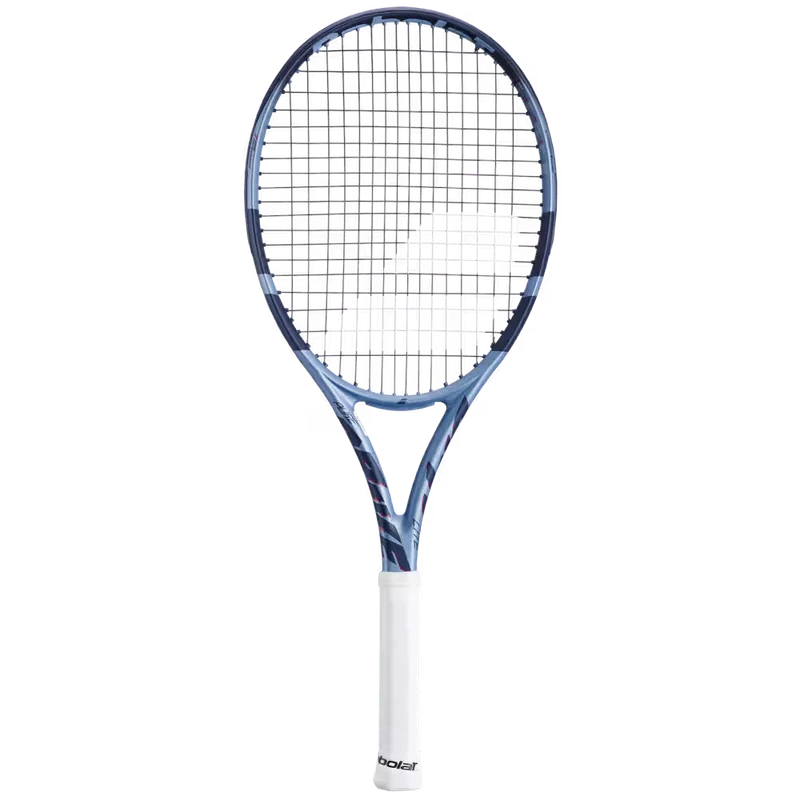
Babolat Pure Drive Lite
Best for: Beginners who want easy, free power
- Weight: 270 g unstrung
- Head Size: 100 in²
- String Pattern: 16x19
- Balance: 330 mm unstrung
- Stiffness: check the listing
- Swingweight: 270
Pros
- Genuinely easy to swing at 270 g — low fatigue for new players
- Pops the ball for you, so short swings still get depth
- One of the most beginner-friendly power frames around
Cons
- The stiff, poppy frame can feel harsh if you have any arm sensitivity
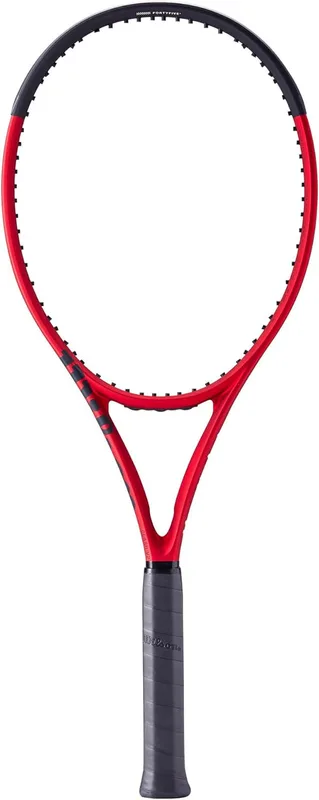
Wilson Clash 100 v2
Best for: Players who want comfort and control
- Weight: 295 g unstrung
- Head Size: 100 in²
- String Pattern: 16x19
- Balance: check the listing
- Stiffness: 57 RA
Pros
- Very low stiffness (57 RA) — plush, flexy, and kind to the arm
- Controlled feel that rewards a full swing
- Handles pace without jarring your elbow
Cons
- At 295 g it's heavier than the ultra-light frames — takes a bit more strength to swing all match
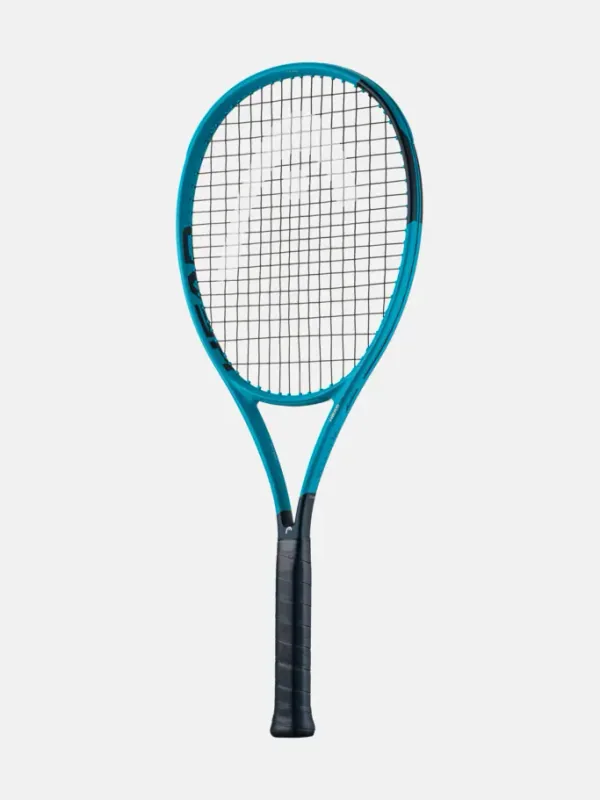
Head Boom Team
Best for: New players wanting a slightly bigger, forgiving face
- Weight: 275 g unstrung
- Head Size: 102 in²
- String Pattern: 16x19
- Balance: check the listing
- Stiffness: check the listing
Pros
- Slightly oversized 102 in² head = extra forgiveness on mishits
- Light at 275 g and easy to maneuver
- Often the more affordable pick of this group
Cons
- That easy power comes with less precision — control players may want more
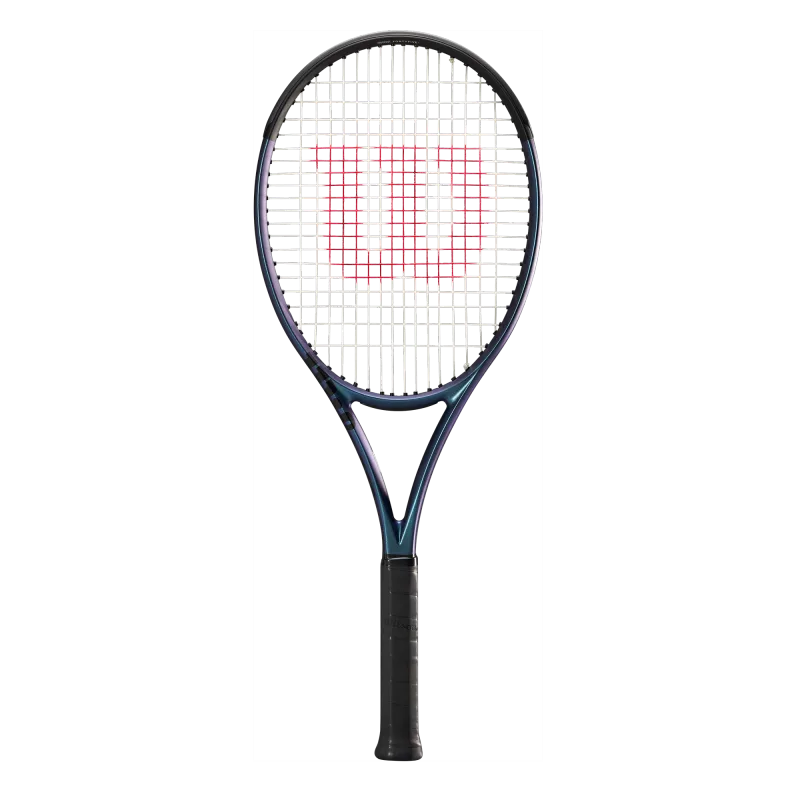
Wilson Ultra 100L v4
Best for: All-court players who value maneuverability
- Weight: 280 g unstrung
- Head Size: 100 in²
- String Pattern: 16x19
- Balance: 32 cm
- Stiffness: 64 RA
Pros
- Whippy and quick through the air — great for spin and net play
- Light 280 g body that's easy to swing late
- Balanced feel that suits an all-court game
Cons
- The 64 RA stiffness is firmer than the Clash — less shock absorption if your arm is fussy
Frequently asked questions
Is there really such a thing as a women's tennis racket?
Not in any meaningful way. Manufacturers don't engineer separate 'women's' frames — what gets marketed that way is usually a lighter weight in a pastel color. Choose by weight, swing speed, and grip size instead. A 275 g frame plays the same regardless of who holds it.
What weight tennis racket should a woman choose?
It depends on your strength and swing, not your gender. New players usually do well at 270–285 g for easy maneuverability; stronger, more experienced players often move to 290–300 g for more stability. Start lighter if you're unsure — you can always add weight, but a too-heavy racket wrecks your arm and timing.
What's the best lightweight tennis racket for women beginners?
The Babolat Pure Drive Lite (270 g) is one of the easiest to swing and gives you free power, which helps when your technique is still forming. The Head Boom Team (275 g, 102 in²) is another forgiving, budget-friendlier option with a slightly bigger sweet spot.
What grip size should I get?
Most women land on a 4 1/8 or 4 1/4 (grip sizes 1 or 2), but hand size varies a lot — measure, don't assume. A grip that's too big strains your forearm and kills feel. If you're between sizes, size down and add an overgrip to fine-tune.
Does a heavier racket cause tennis elbow?
Not directly — stiffness and technique matter more than raw weight. A very stiff, light racket can actually transmit more shock to your arm than a heavier, flexible one. If your arm is sensitive, look at low-stiffness frames like the Wilson Clash 100 v2 (57 RA).